

Relax – it’s not the dog on the table again. This post is about getting down to your models when you are trying to photograph them.
The first photograph I ever took of a scale model was of a Revell 105mm howitzer in about 1:40 scale. I’d saved up for it, sent away to a hobby shop in Calgary, and paid for it COD when it arrived out at the bush post office near us. A good little build, and it all went together successfully – remember that this was 1959 and I had just barely discovered Humbrol paints.
The model came on a plastic base, I had a Kodak Starflash 20 camera with Verichrome Pan film, and I put the completed masterpiece out in the sun for several shots. Eventually, when they were developed, I had the disappointment of seeing just how artificial and insignificant the little model was…
Several flaws in my modus; the camera could not focus closer than 3 feet…even at three feet it was fuzzy…and I took it from above. I thought that the camera would see all the detail and appreciate all my skill.
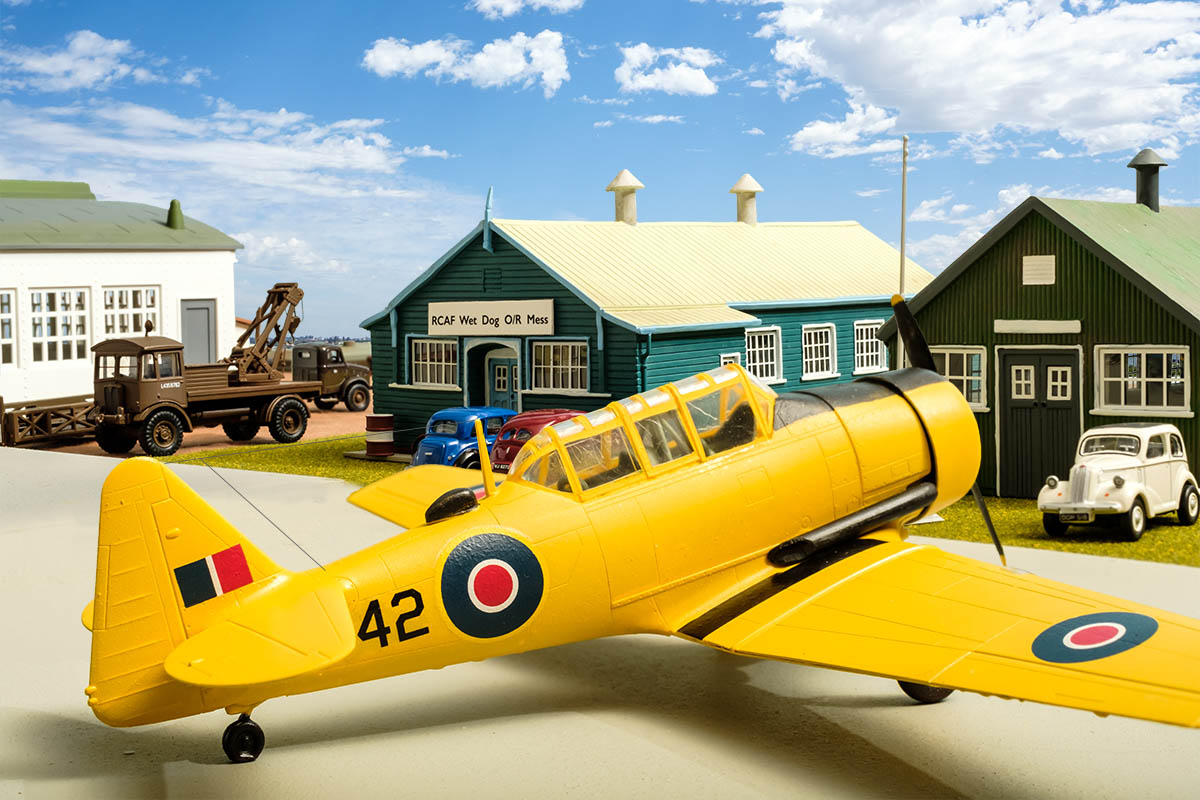
Long years and many exposures later, I have learned that the camera is just an artificial eye that sees what you show it. To get it to agree with what you think you see, you must make it see as if it was you. In the case of the scale model, you must bring it down to the same height that a real person would be in proportion to the scene.
Sound easy? Sound trite? You try getting down to the height of a person, if the scale of the scene is 1:72, and see what happens.
For one, most cameras have their lenses in the centre of their body – the lens centre, which is pretending to be the eye of the scale man, is often well above where it would be in reality. You always get the artificiality of an aerial view. There are very few lenses made that are narrow enough to go down close to the baseboard or surface of your model landscape. But there are things that you can do…
a. Put the model near the edge of your landscape table and drop your lens down past the edge of the table. You’ll need to trim off part of the image where you see the tabletop, but the top part can be quite realistic.
b. Photograph with a tiny camera – a compact camera or an action camera may have a lens that is very small – if you can coax a decent still image out of the tiny sensor of the camera somehow, you may have a realistic shot.
c. Shoot with an architectural camera – one that is made like a reverse periscope. They are used by professional planners to ” walk through ” architectural models…or at least they were before the advent of the virtual modelling programs on modern computers.
d. Shoot through a tank periscope. Upend it. so that it sees the scene from the surface and shoot through that.
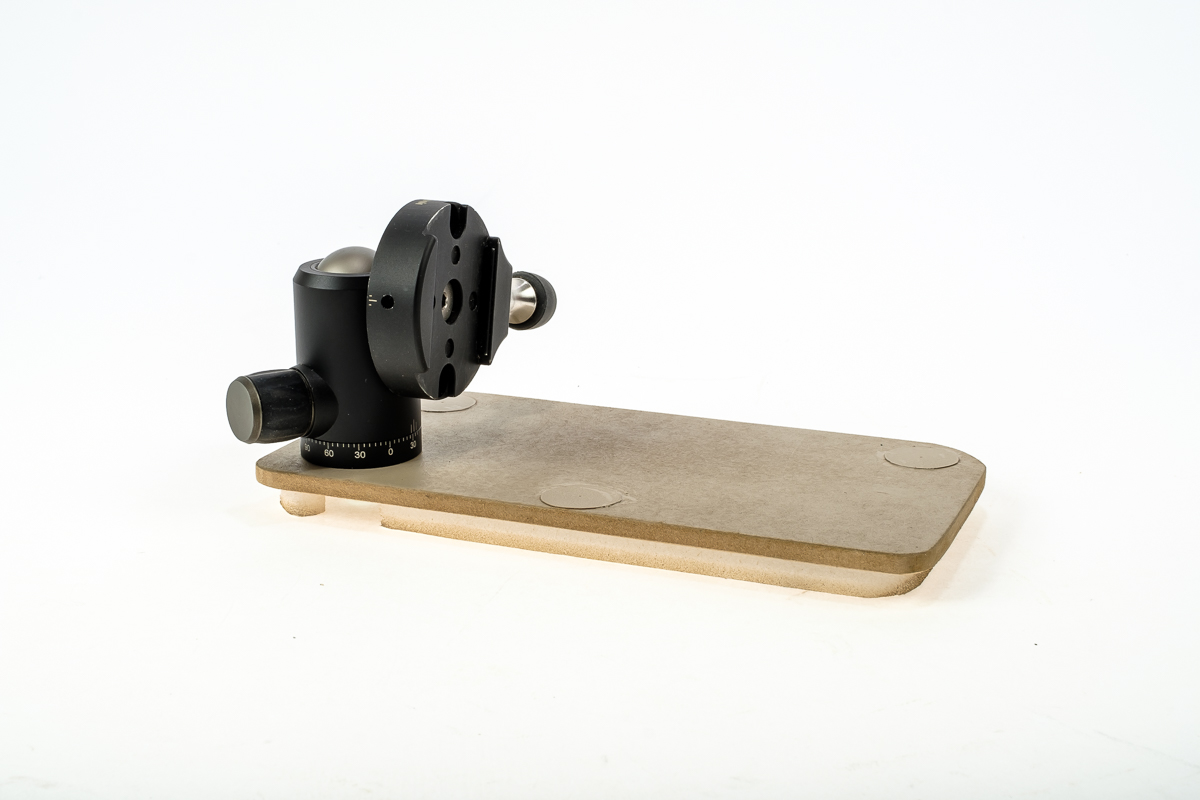

e. Make a platform for your camera so that it can go out onto the surface of your model landscape but keep the regular camera at the lowest level possible. It’s a compromise, but can be rather effective.
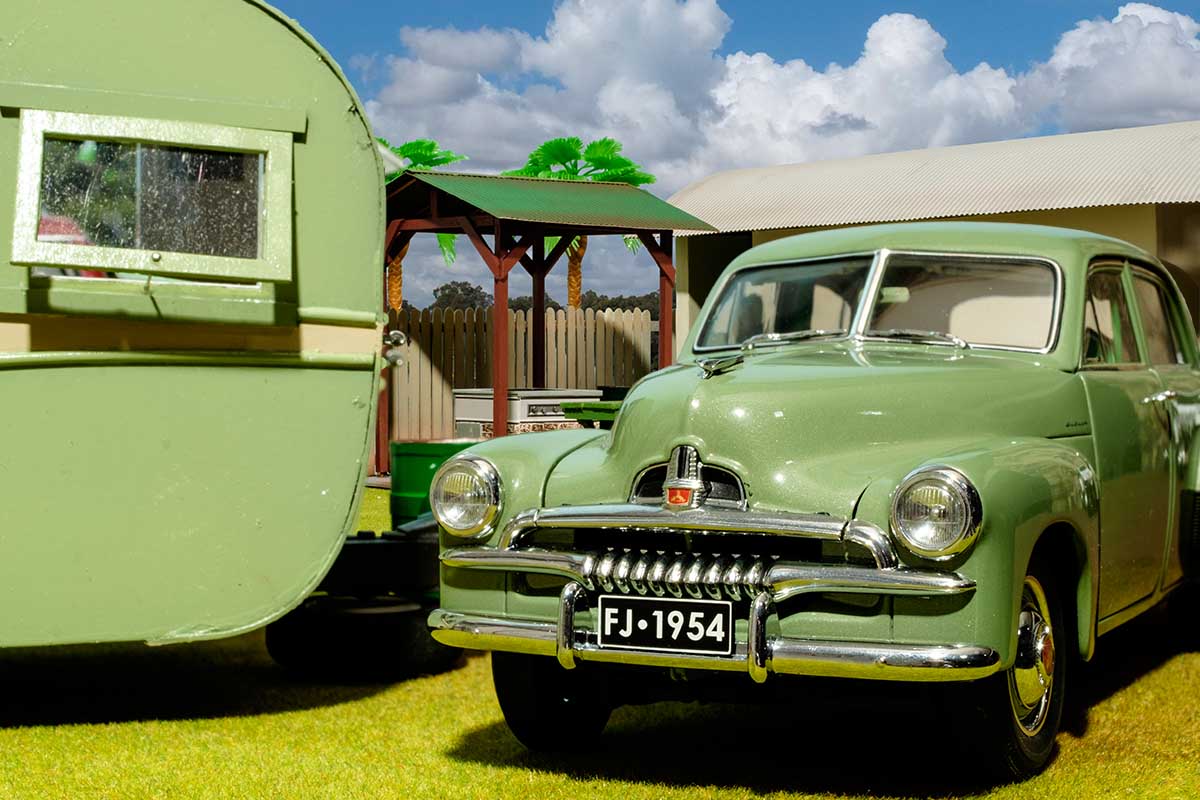
f. Build models in bigger scales. The problem lessens the bigger the subject is.
 The Little World
Leave a comment