
When I used to sell Epson inkjet printers in a camera store I was frequently asked about colour management. It’s a topic that makes or breaks photographers and more often causes tears than smiles. Fortunately at the time when some manufacturers introduced even more complex methods of operation, a few saw the need for a simple workflow and many of the Epson users could be safely directed to that. They could let the machinery make it’s own judgement about the paper stock, ink supply, and colour intensities.
I followed that pathway myself and never regretted it. I can look with sympathy to those who spend hours at colour management courses and who spend many thousands of dollars on calibrated monitors and exotic papers. And even more money upon giant ink cartridges. For myself, I buy Epson paper, Epson ink, and let the Epson printer just get on with it.
But one thing that this tail-chase for colour taught me – the need for an absolute standard in lighting. It must be consistent, colour-controlled, and from the right angle. In the case of a lot of print judging and the agonies of reflected light, the best help of all is the sun.
In our city it is strong and even for a good deal of the year. If you stand out in it without a hat it can send you loopy. It can also be death to car paint. But it is a standard that isn’t affected by line voltage or fluorescent tube coatings.
I think that the scale model painter also needs this sort of consistency in light. I have noted the varying colours under fluoro’s, LED’s, and tungsten bulbs, as well as whatever strange halogen bulb has been socketed in. The colour temperatures on a photographic basis are all over the shop – it is not surprising that model paints cannot be seen well.
The problem is not just in our home workshops. The hobby shops from which we buy the paints can be lit with many different types of bulbs The paint may have a description and a number, but the light flooding down on the colour chart or glass bottle may say something else. Then our instincts may lead us to yet another shade. So here is a simple idea:
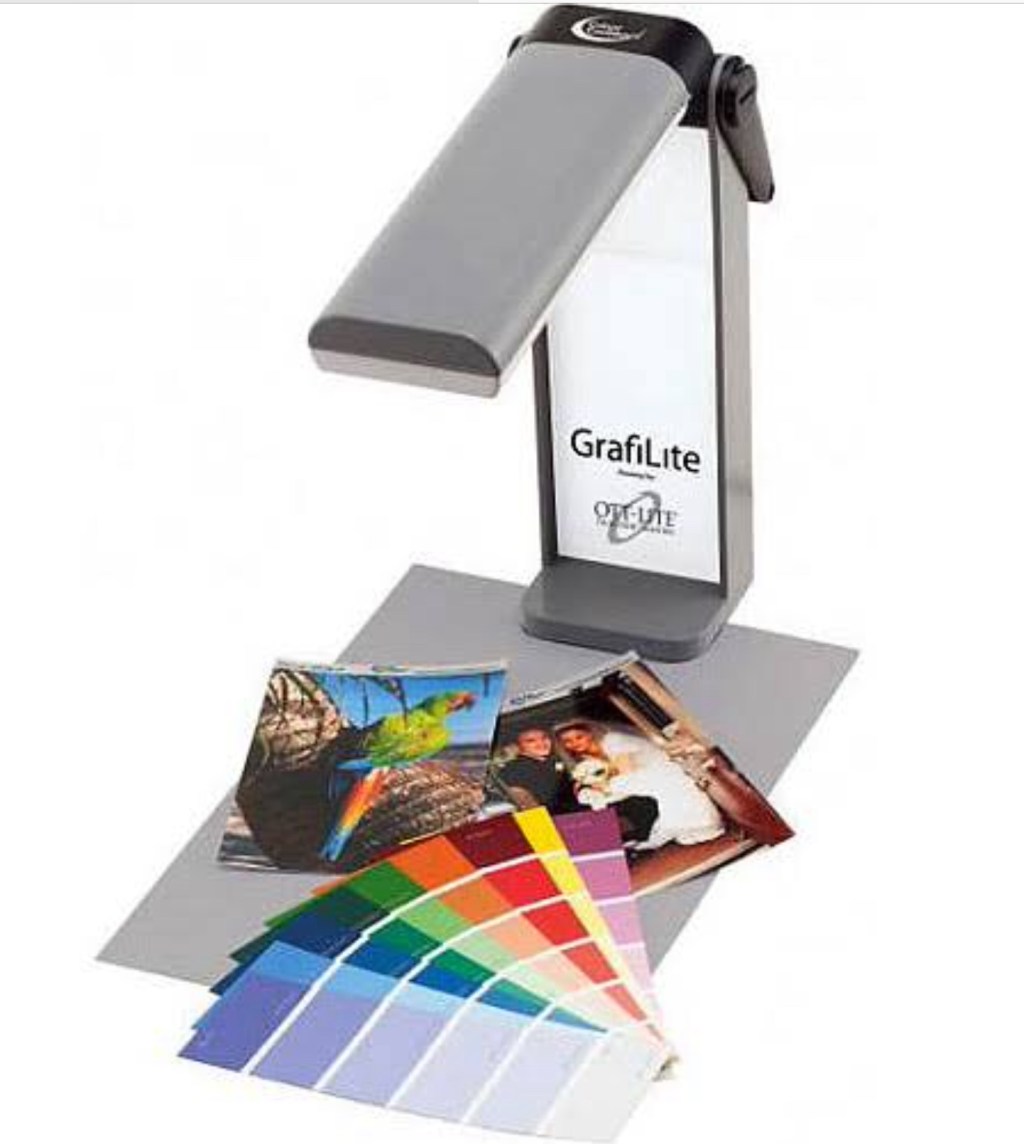
Have a standardised colour light in the paint aisle of the hobby shop. These are as cheap as $ 70-$100 in professional photographic stores. If you leave the tube undisturbed, it goes for ages. And it puts out a clear flat daylight-balanced light which you can use to see the actual shade of what you want to purchase.
It’d sell me more paint, and I already have a lot…
 The Little World
Leave a comment