
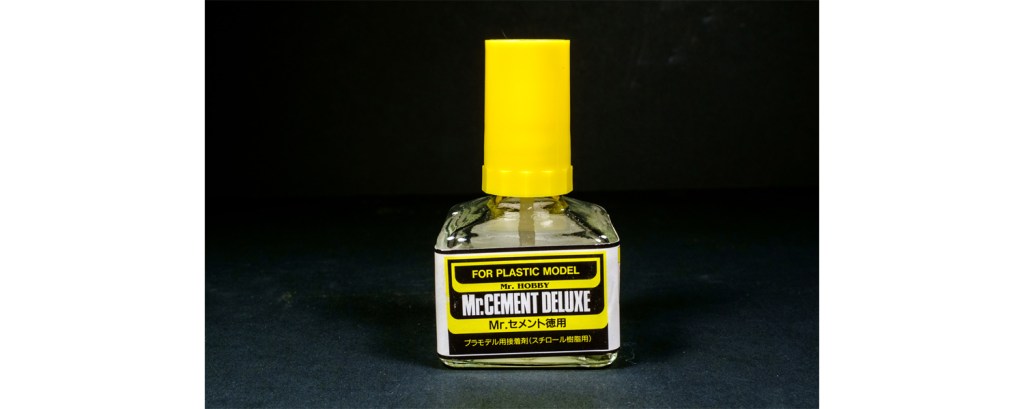
An inveterate visitor to hobby shops in my old age, I am now also a sucker for little vials of chemicals.
Whether it is glue, paint, liquid mask, thinners, retarders, or clear coats, I never seem to leave anywhere without bearing away another expensive bottle. And i do mean expensive – At the bottle shop I choose the domestic fridge for my beer and the cardboard shelf for my wine, but once inside the doors of the model shop I become Diamond Jim Brady.
This is either an attitude of healthy experimentation or signs of a weak and vacillating mind. I’m happy either way, as long as the bottles don’t roll around the floor of the car and leak on the way home. However, I am far enough along in my work to say that have formed some positive opinions:
a. Acrylic is more useful to me than enamel, and solvent-based acrylic better than alcohol/water based for many purposes. that said, I still keep some aqueous acrylics for colours that are not currently bottled in solvent-based paint.
b. Exact shade matching is as precise a matter as herding cats. Defending one’s choice of colour before self-appointed experts is an endless and pointless task. I have realised that I do not need 8 shades of light grey with 8 different descriptions or numbers because they all look like light grey. This sobering thought will become even more so when I advance enough in confidence to do weathering and shading…if ever I do.
c. Methylated spirits dissolves damn near every aqueous acrylic paint – even when you don’t want it to. Car shop lacquer thinner does so for the solvent-based acrylics. This it too ” hot ” for regular work, but cleans the airbrushes a treat.
d. Specific proprietary thinners for the aqueous and solvent paint are good for the actual painting – and can frequently interchange between two or more manufacturers in their chemical division.
e. It does no good to go off and buy a wildcat bottle of paint that needs yet a third bottle of thinner. No matter what shade it is you can mix it as a custom bottle from the two systems already in use.
f. Save a few small empty 10 ml bottles and wash them carefully. Save all large 20-50ml glass bottles as therse are perfect for custom washes.
g. ” Wash ” is just thin, dirty, paint with lots of vehicle. You can make them as easily as you can buy them.
h. Retarder for acrylics is a real thing and dead useful in Western Australian summer conditions.
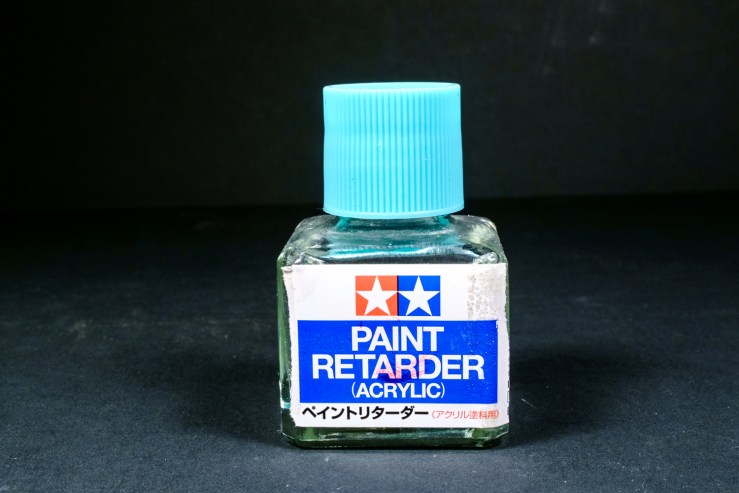
i. Humbrol Maskol is effective if you are going to strip it off in a couple of hours. Otherwise use a Creos Mr. Mask masking solution or even one of the Micro mask products. In a pinch, thinned PVA glue will do the job. Note that Maskol may affect the underlying surface of some paints.
j. Tamiya regular and thin cement is very effective, but when the bottles get down a bit it’s hard to get the cement out with the applicator brush in the cap.
Bunnings Methyl Ethyl Ketone is an extremely cheap substitute for extra-thin cement, if you use it in a well-ventilated shop.
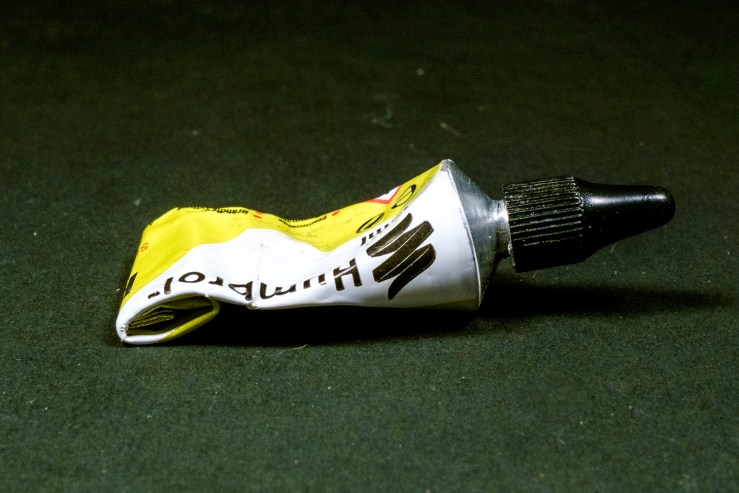
Humbrol Poly in the tube still has a place for slower setting-up jobs. You get more working time.
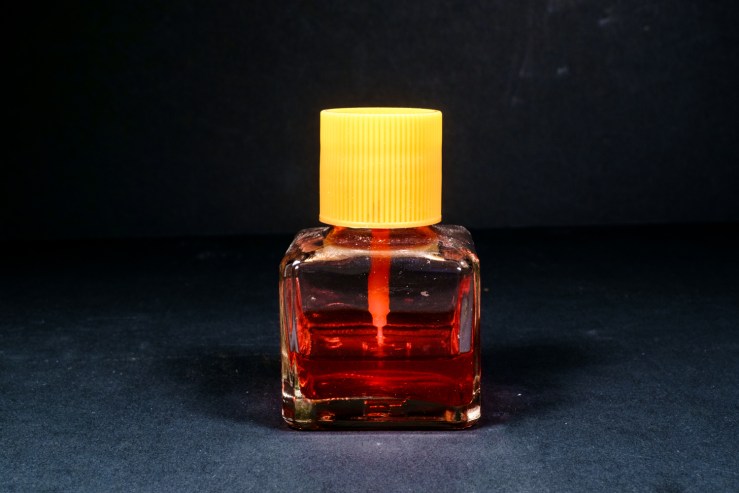
Humbrol Poly in the bottle is a surprisingly effective cement for most styrene. The brush in the bottle is too big and stiff, but the cement is fine.
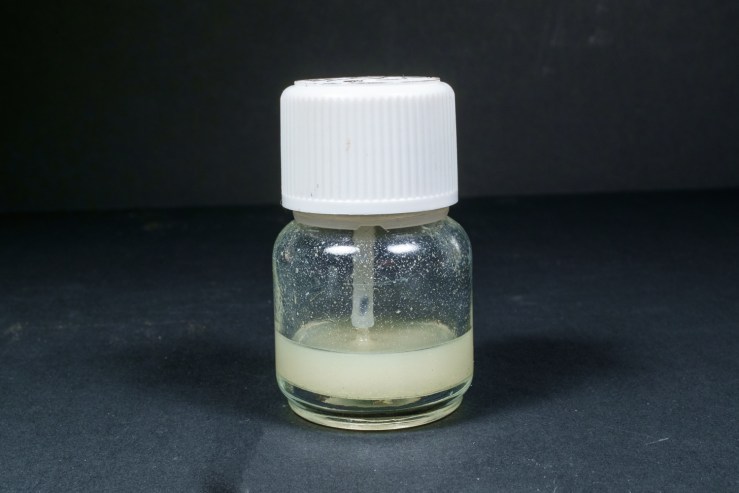
Squeeze bottles of Revell or Humbrol cement with the applicator tubes are a pain to use. Effective for the first three applications and then they tend to clog up every damn time.
Mr Cement from GSI Creos is as effective as Humbrol Poly but with a better brush and less tendency to puddle.
Low-odour citrus oil cements from Tamiya and GSI Creaos are not worth the trouble. They work slowly, fitfully, and with little grabbing strength. I emptied my bottle of expensive limonene cement down the drain and replaced the liquid with the MEK.
You can combine cements without producing explosions or radioactive spiders. I combined the a third-full bottle of Tamiya Extra Thin with the same amount of Humbrol Poly and it is a perfectly usable medium viscosity GP cement.
Micro Set can be diluted 1:2 with water for a special decal water solution that is even more effective for decal positioning.
More chemistry tips in future columns. All the ones you have just read have been tested repeatedly here at the Little Studio – at my own expense – and they work for me.
 The Little World
Leave a comment