

Now we’re not talking about a broken bearing f on a railroad car – the proverbial North American ” hot box ” that leads to the failure of the axle and derailment of the train. No, our hot box is the plastic curing box that sits on top of an electric oil-reservoir heater in the Little Workshop.
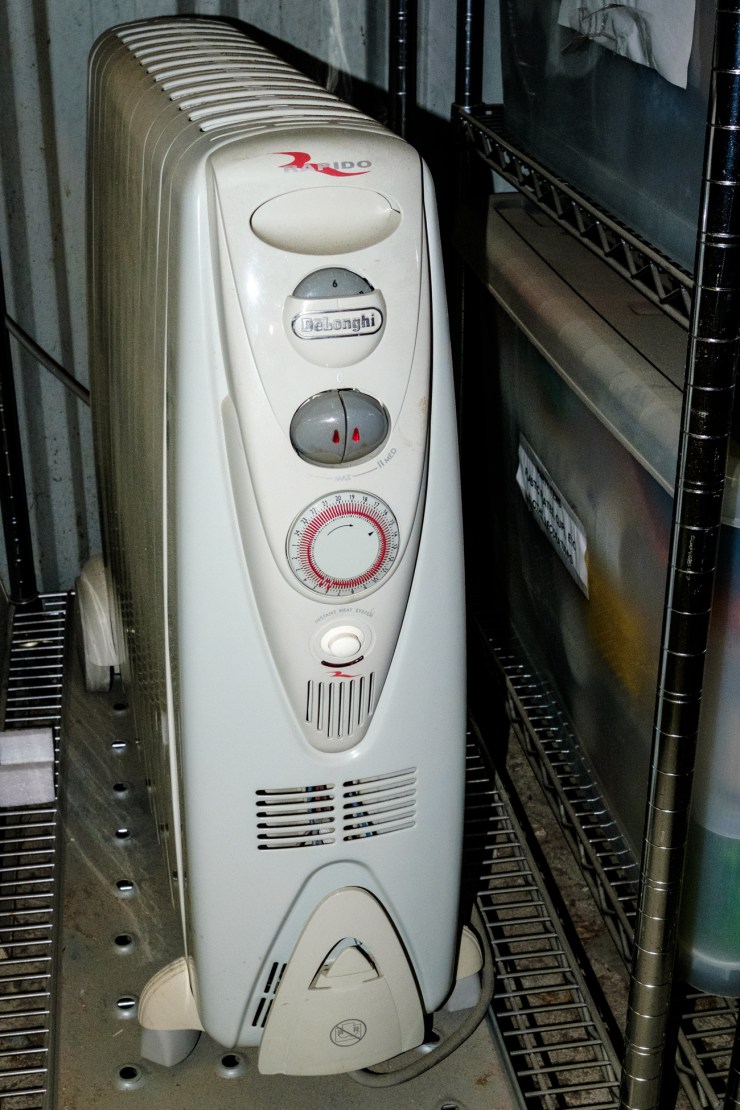
You might think that this is superfluous – a heated curing box in Australia where the temperature in the Little Workshop can reach 50º Celsius on a summer day. Viewed on that summer day, it is superfluous. In the middle of winter at 11º Celsius it becomes a different kettle of cold fish. Asking paint to dry or waiting for cement to go off under cold, wet conditions is miserable…hence the hot box.
But it has perils. I discovered one.
I’d glued the tail feathers onto a Miles Magister aircraft, blocked up the horizontal stabilisers, and deposited it into the hot box for the whole thing to evaporate and set.
When I came back in two hours I was horrified to see that not only had the solvent cement not set, but it had run over the underside of the empennage. The heat had not evaporated it, but made it liquid.
Okay. I tore everything apart and sanded down the excess cement. The stabs will eventually look normal. And they both were glued back on promptly with MEK. This time to set at room temperature overnight.
I’ve also had acrylic varnishes do much the same thing in the box – pointing up that there is a moderate range of heat that modelling finishes and cements will work in, but if you go outside the range you are in trouble. It may be time to turn off half the heat to the box and just accept that things will take longer to set.
 The Little World
Leave a comment