

The word is from the art world and it describes a fine network of lines or cracks in the surface of an oil painting. This is observable in most famous paintings in galleries and is not considered a fault. However, when it invades our scale model workshop it is to be deplored. We may be artists but we are not medieval ones.
I make decals – my own RCAF ones for 1:72 models. I’d buy them from professional printers if they were available…however they are few and far between for models I wish to make. Even the tempting internet cannot supply the schemes I want. So it is the A4 paper from Dr. Decal and Mr. Hyde in Sydney and time spent making artwork for my Epson printer. On a good day I can find a font that is accurate and colours that look good. Clear or white-based, the decal paper is really a boon.
I start with a design scanned or captured from the internet and then worked up to a set of markings. I choose clear paper for black or red letters and white paper for all else. With a little finageling I can get a close approximation of most artwork.
Then the printing. I set the Epson R3000 for matte ink and matte paper and square it up. One pass is all it takes for good dense colour. I leave the sheet to dry overnight and then put on a protective coating. And this is the point where it can all go sour.
The coating I have used hitherto is Microscale Decal Film. Expensive, but you can brush it on with a soft camel hair and it seals the designs against water. But get it too concentrated and it puckers up the decal, rendering it useless. I am near the end of the Microscale bottle so I thought to experiment with cheaper alternatives.:
a. Cabot gloss varnish from Bunnings.
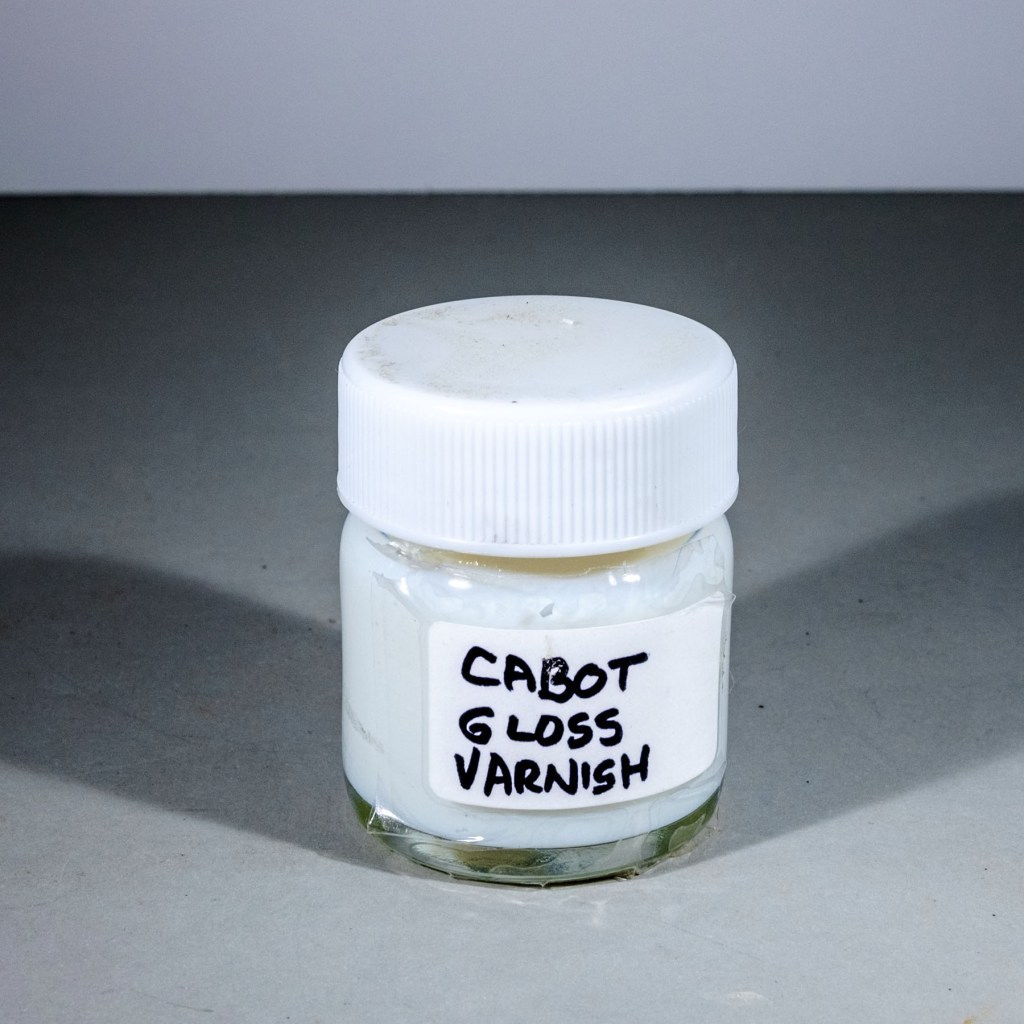
You get an enormous plastic jug for a few dollars and it really does seem to coat wood floors well. However, when you brush it on the decal paper it cracks the ink layer and the decal is ruined.
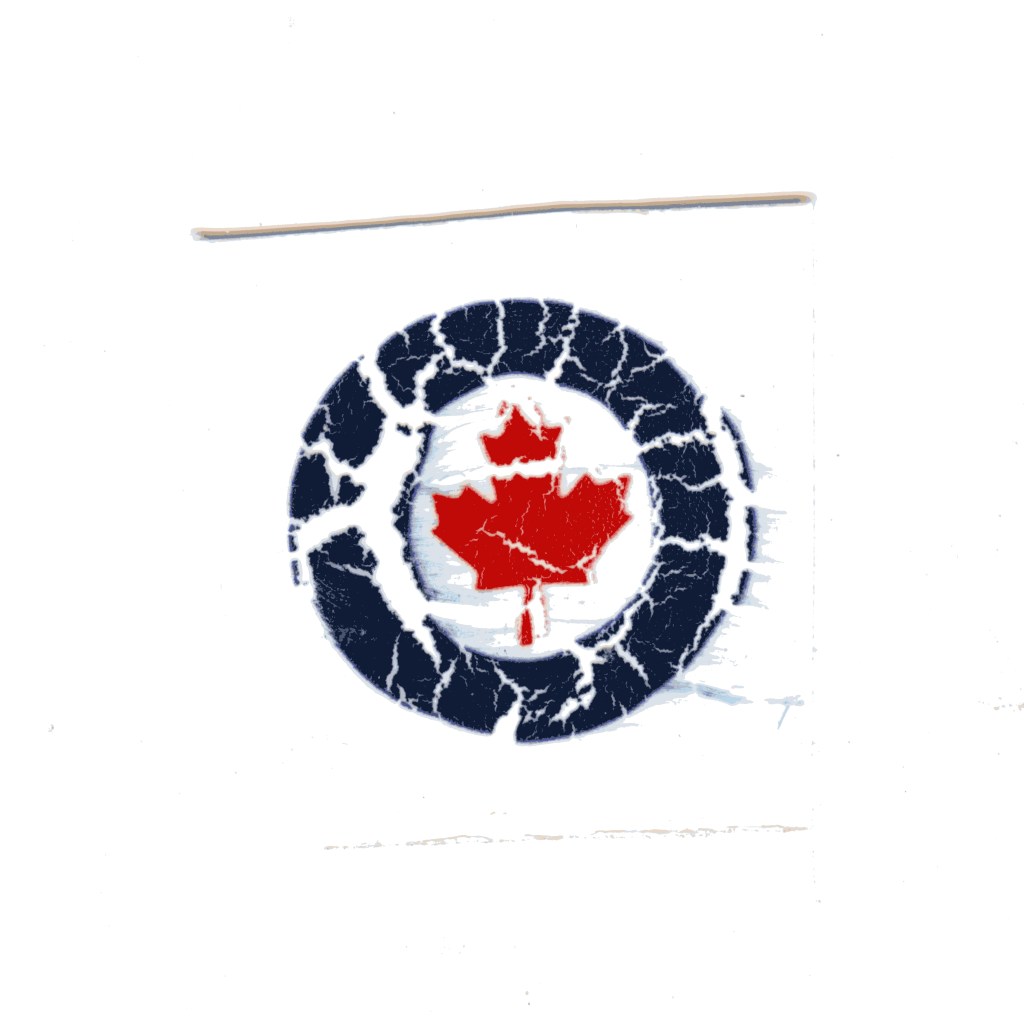
b. Gauzy Intermediate Agent.
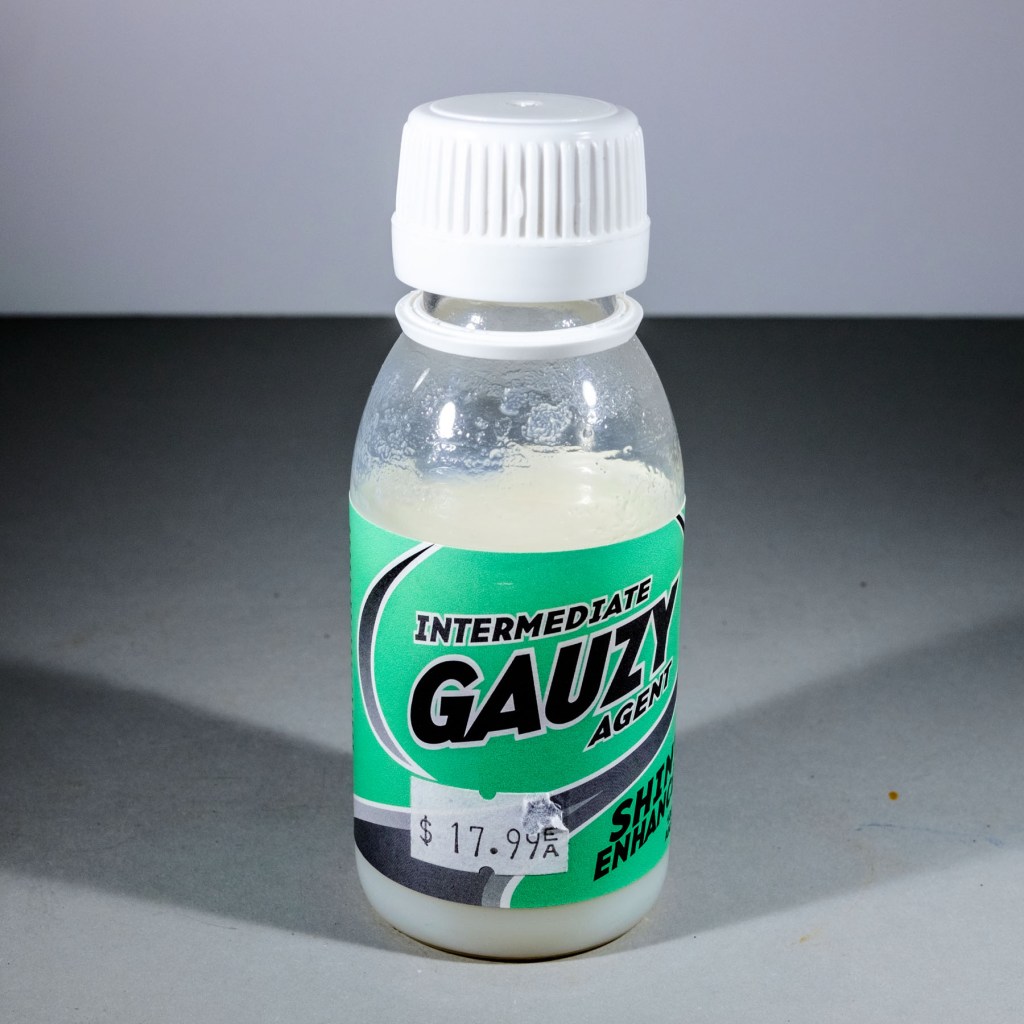
From a hobby shop, and at a price commensurate with that. Brush it on a paint surface and you get a nice, smooth gloss coat. Rescues some flat finishes before you decal them. Should be perfect for the home-made ones.
Wrong.

See how it does the same thing that the Cabot does? It is likely to be the aqueous nature of the solution that gets into the ink layer and loosens it up.
c. Mr Hobby Aqueous Hobby Color clear varnish No. H 30YL.

I expected this to crack the decals as well, but by and large it didn’t. It is slow-drying stuff, though, and you get a thick layer over the decal. There is a bit of smearing.

d. Mr Color clear varnish No. 46.
Perfection. Good coating, smooth, thin surface, and no cracking of the ink layer. I am willing to bet the Tamiya equivalent bottle will be just as effective. Whichever you can obtain in your local HobbyHell should be your material of choice. Brush or spray lightly and put on two layers. Then soak in water and decal away.
Looks like we have a pair of winners.
 The Little World
Leave a comment