
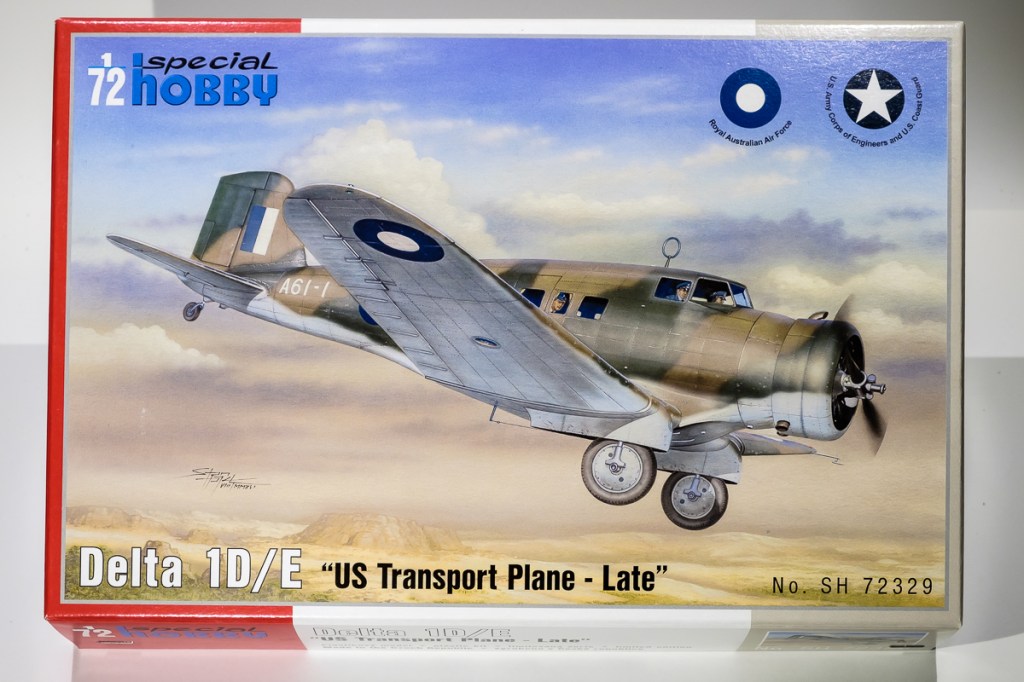
This begins a series of posts that deal with building a model from a maker who is new to me – Special Hobby from the Czech Republic. It’s not the first Czech model I’ve tried – I did build two different AZ models recently – but I am desperately curious to see if this is going to be a more sophisticated kit. It’s not just that – I want to see if there are any identifiable national characteristics in the manufacturers from different countries.
The model was supplied through and on-line order from Metro Hobbies in Victoria. I generally try to buy locally here in Perth but Metro advertised this new kit and I’ve dealt with them before over their own counter in Box Hill – I knew they would deliver the goods. Thank goodness the StarTrack man was gentle – it arrived in perfect order.
a. The box – Good sturdy cardboard without being an iron coffin. Pretty good box art, and I could see why this might sell well in Australia – it has a note that the type was operated by the RAAF.
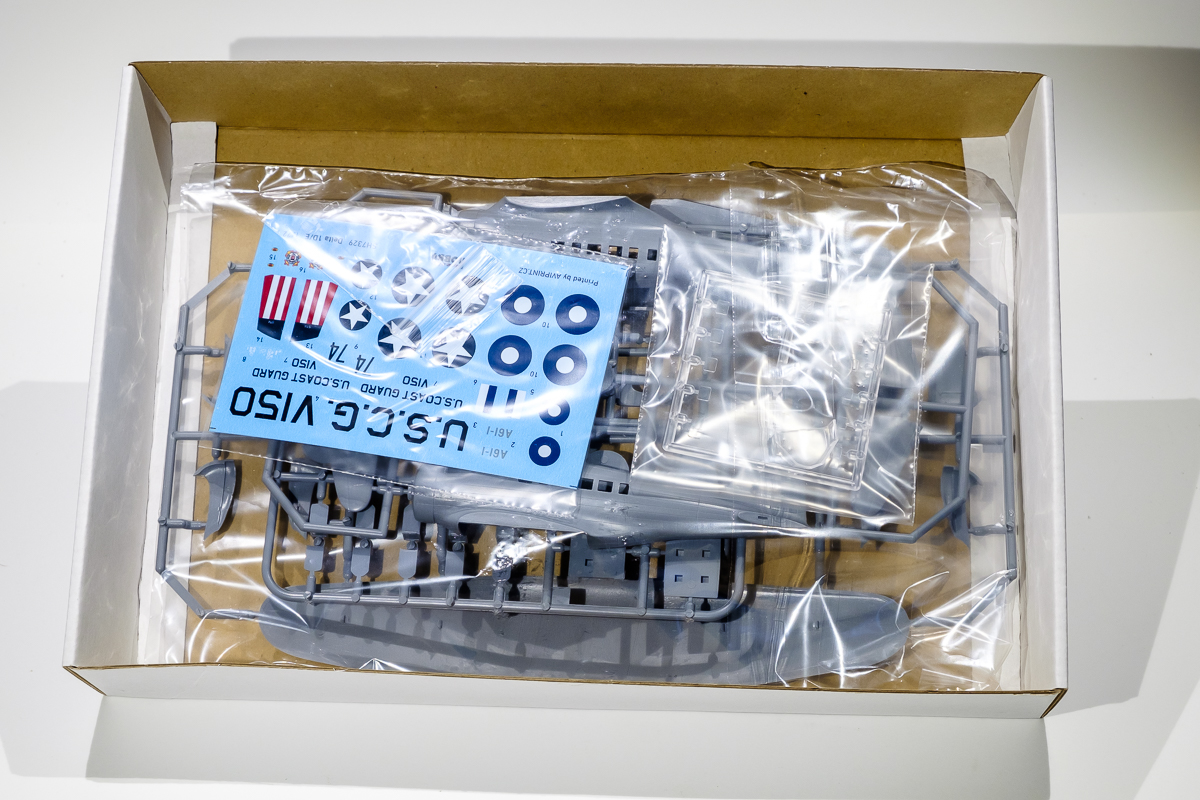
b. The bag – I approve heartily of the modern practice of bagging the whole thing inside the box – with, if possible, the decals and the clear parts in separate sachets. As a kid I would have been all over the sprues tearing things off and fitting them together, But I have come to realise the value of waiting. I will follow the advice of the experts in washing the sprue trees with warm soapy water and letting them air-dry before I handle them – and of painting some parts on the trees before cutting them off.


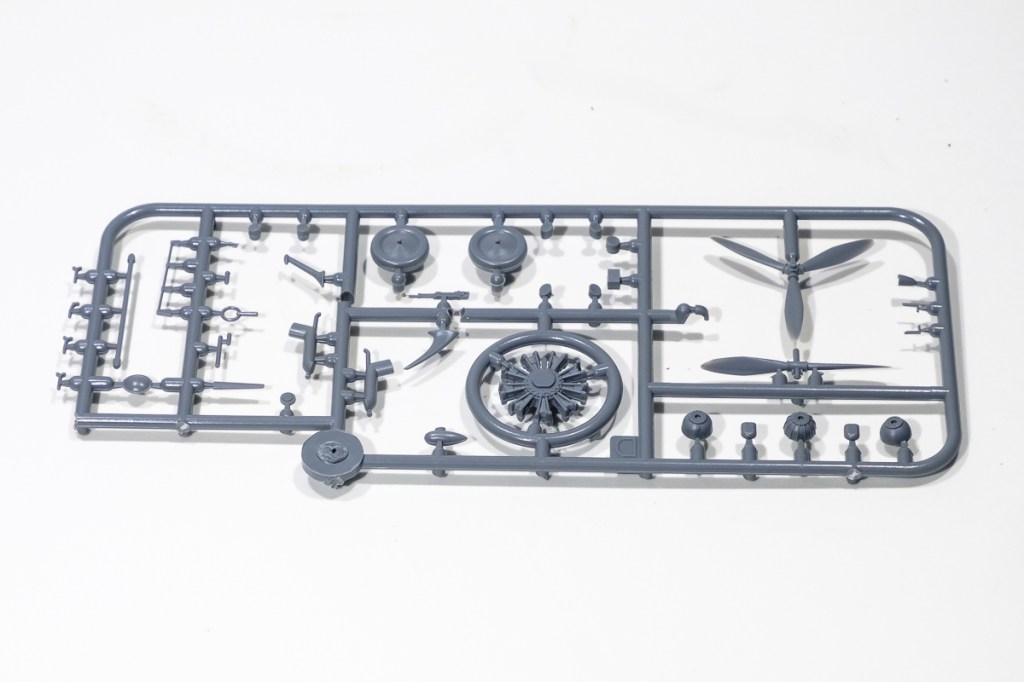
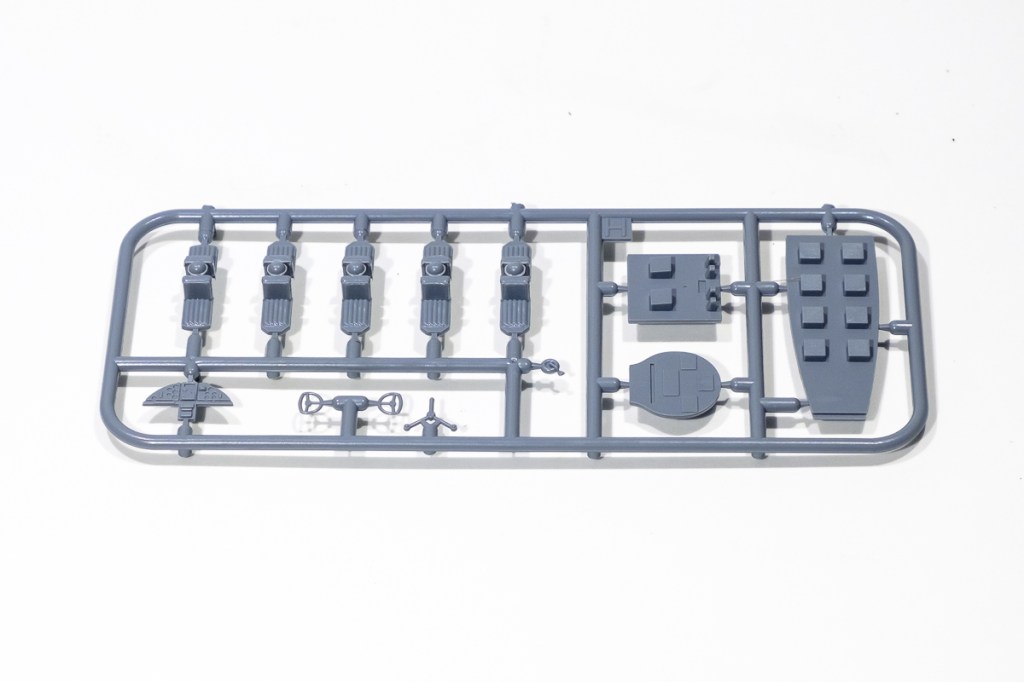
c. The sprues – well-formed, as far as I can tell. No visible distortion of the sort that made the old Revell Convair Tradewind kit of the 50’s such a bitter experience. Not too many parts that seem to be excessively broken-down.
Okay, that sounds odd…what I mean is that there can sometimes be design decisions on the part of the mould-makers that split components into impossibly complex sub-assemblies. The Airfix military vehicles of late seem to be like this. The more you make something tiny, fiddly, fragile, and complex, the greater chance that it will not turn out well in final assembly. I have Airfix vehicles that cannot stand on a flat surface…
I think I see a national characteristic already – no locating pins and sockets moulded into the fuselage or wings. Let’s hope those edges are accurate… Thank goodness the horizontal stabilisers have tabs to mate with the fuselage. They are not big, but they are better than the plane flat pieces of plastic on the AZ kits.
And aside: The best tail assemblies I remember from my childhood seemed to be the original Monogram. They were sturdy and they fit perfectly.
d. The material – well, this will come out in the build. I shall try to give a Stein Index Number rating to the plastics that I encounter – a combination of surface hardness, flexibility, soapiness, and ability to reproduce detail. I’ll also quantify the reaction that the plastic makes to different paints and adhesives. Over a period of time the SIN should let you compare different manufacturers. It’s pure science folks, and I’ve got the lightning bolts and the wild hair to prove it.
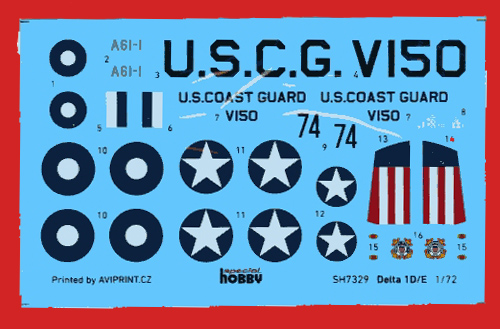
e. The decals – well these look tempting, but I won’t be using them at all – I’m going to make my Delta 1 as an Australian plane. I suspect that Czech decals might be quicker acting that other people’s. The AZ ones released in 6 seconds vs the 30 seconds for standard Airfix transfers.
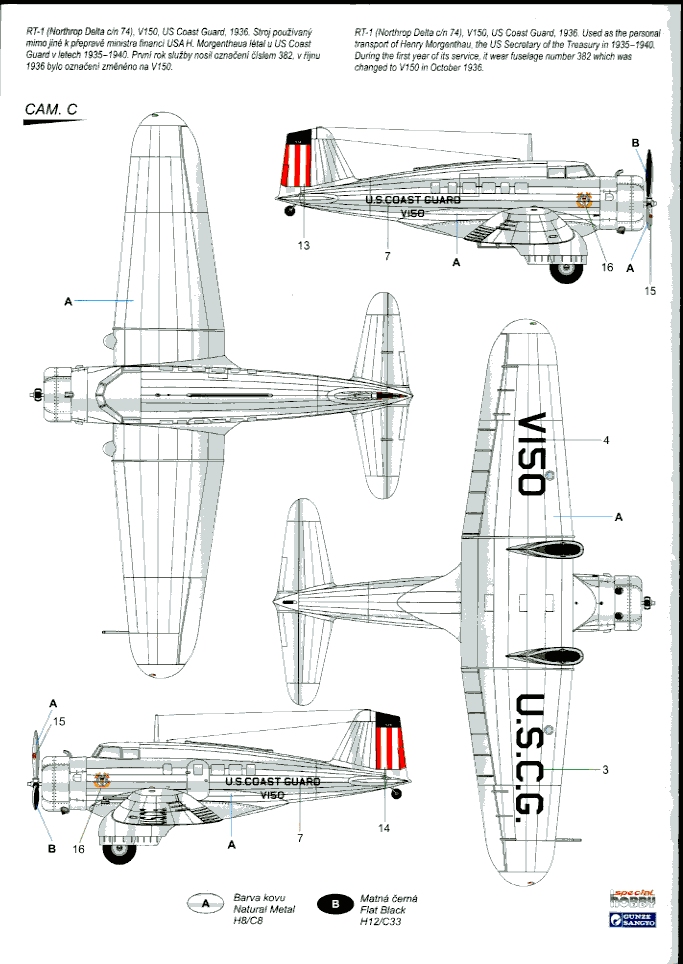
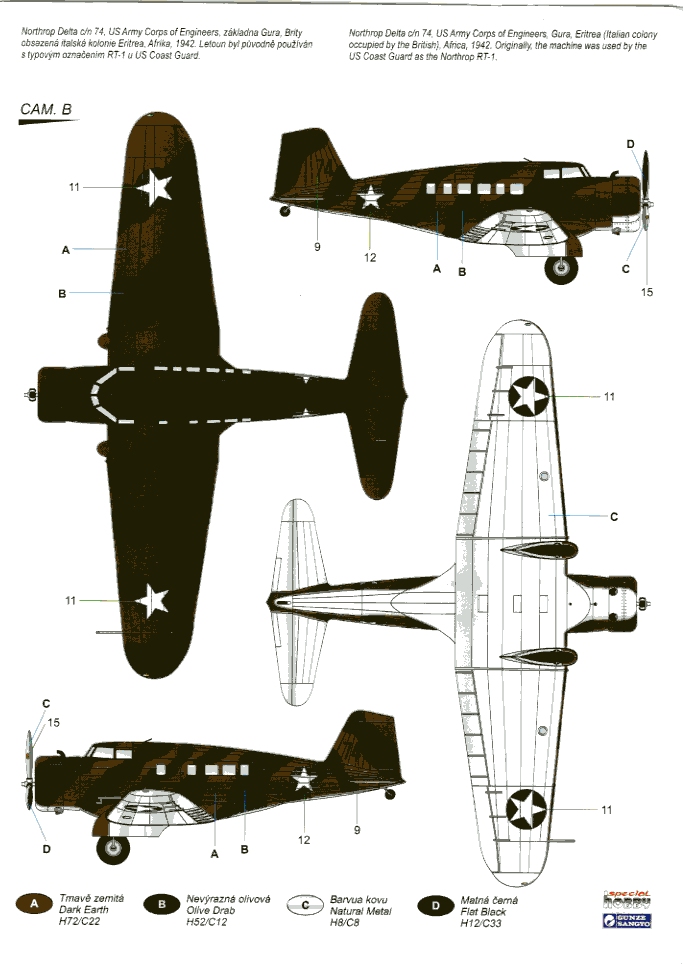
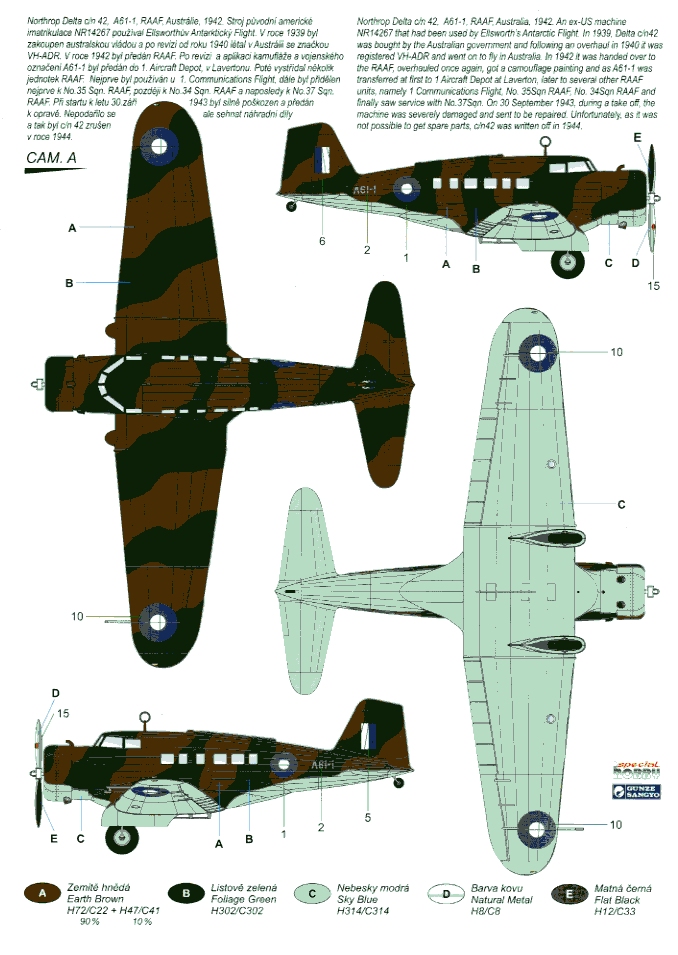
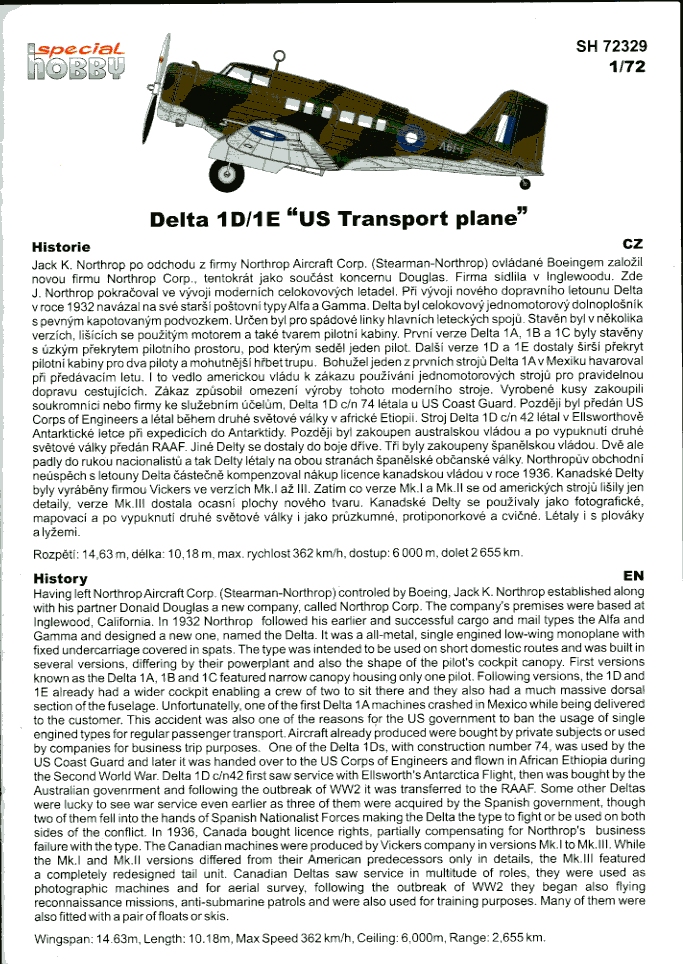
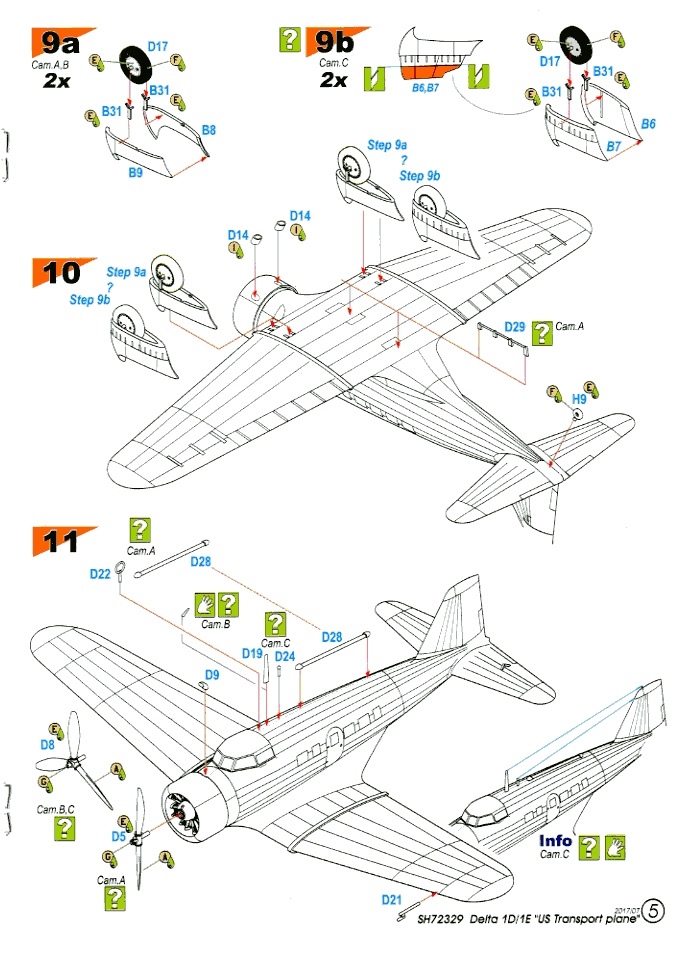
f. The instructions – well, I’m starting to love this kit already as the instructions are better than the AZ and even clearer than standard Airfix. There are variations in the details and configuration of the various planes used by different service, but the instruction sheets sort this out into three streams.
 The Little World
Leave a comment