
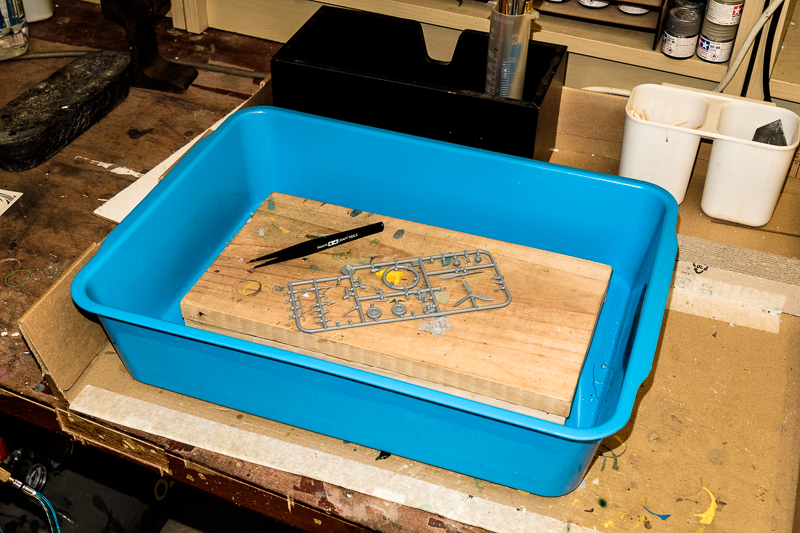
The biggest problem I have encountered so far with the New Special Models 1:72 Northrop Delta 1D has been deciding which model variant to make. Newbies will be puzzled by this but old hands know that fresh kits pull you several ways – and this is not helped by the maker including parts and decals to make at least three authentic versions in the one box. You gotta choose, and all the choices are appealing.
It gets worse. I have a book that describes a variant of the Delta that is peculiar to the RCAF…and the basic kit is a pretty good platform for making this…if you cut off the vertical tail and scratchbuild a new one, plaster up the current windows on the side of the fuselage and cut new ones, scribe new door lines, and inkjet print an entirely new set of decals. Work of a moment…
I could do it, and I may do it, but not this year…for this one I shall be satisfied with the RAAF version and will incorporate it into a peculiarly Australian diorama. It’s really a case of ” when the chef prepares a superb dish…eat it “.
Once that thought has been adopted it is all smooth sailing. Those of us who make our own Little Worlds do tend to think up overly complex plans for what we do. We invent stories to excuse getting the models we want and then have to make even more ambitious plans with colour schemes and markings. And the need for extra paint, decals, printing, parts, etc. seems to rise exponentially. All very well, but sometimes it stops us from actually getting anything done.
Another curious thing about this kit: I know that the Delta was made by Northrop Aviation in the US in the 30’s and later under licence in Canada by Vickers. But nowhere on the box can I find the word ” Northrop “. I suspect we have another case of the lawyers demanding money. I noted a case like this with a Minicraft Model A Ford kit – great kit of a great car, but no mention at all on the package of the name ” Ford “. Someone wanted a licence fee and someone else couldn’t afford to pay it. For my part, as long as I can recognise the actual kit as a good reproduction of the original airplane or car, I am not going to quibble – I just think it is foolish behaviour on the part of both parties.
The report so far?
a. The plastic is harder than Airfix but not as brittle as AZ. It sands without stringing out. If Airfix has a baseline SIN of 50 this is 58 SIN.
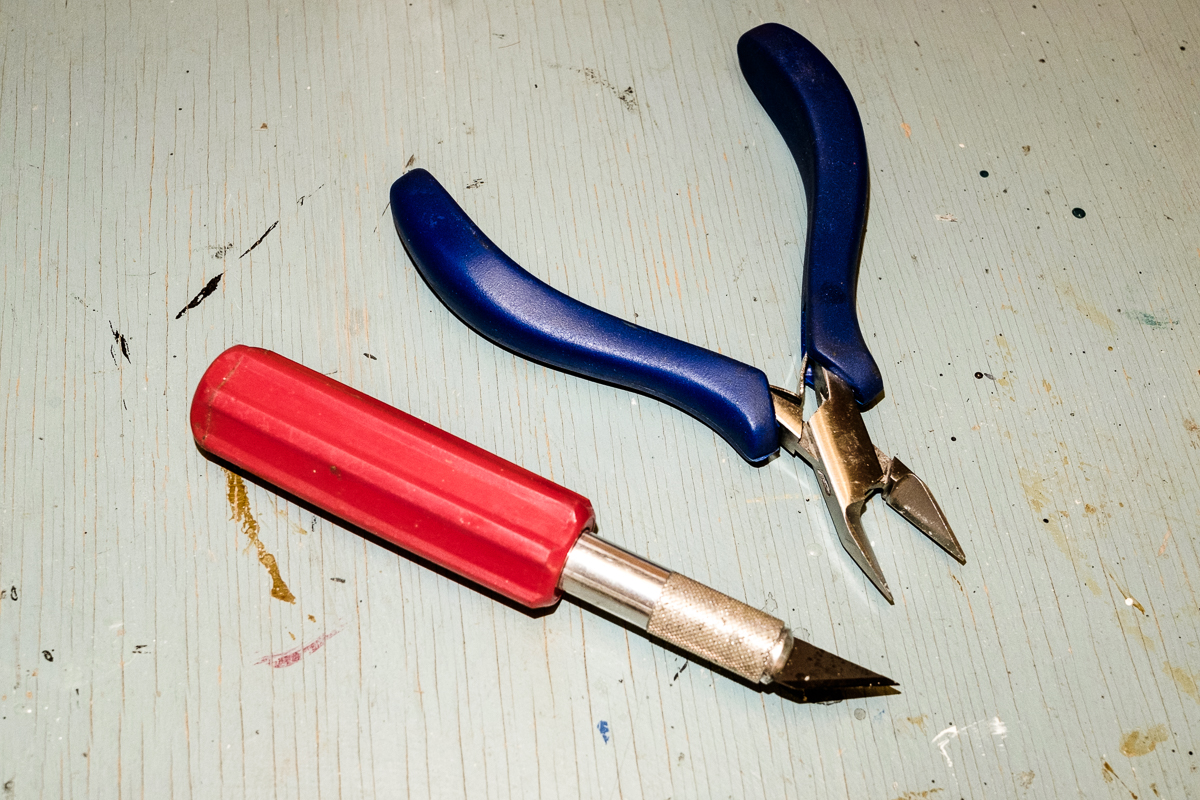
b. The surfaces have few sink-holes and the only extraneous punch-outs are on the inside of the fuselage. A couple of them need cutting or grinding away.
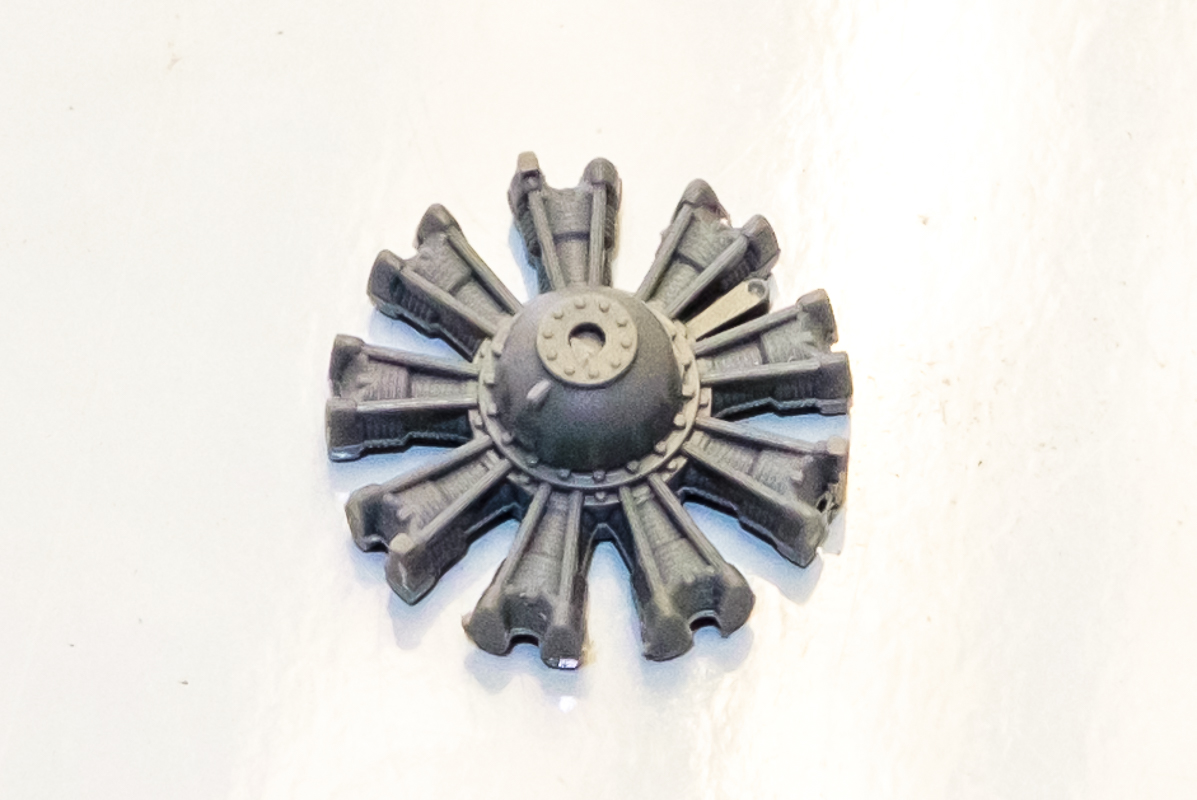
c. The parts fit well. There is little flash to deal with.
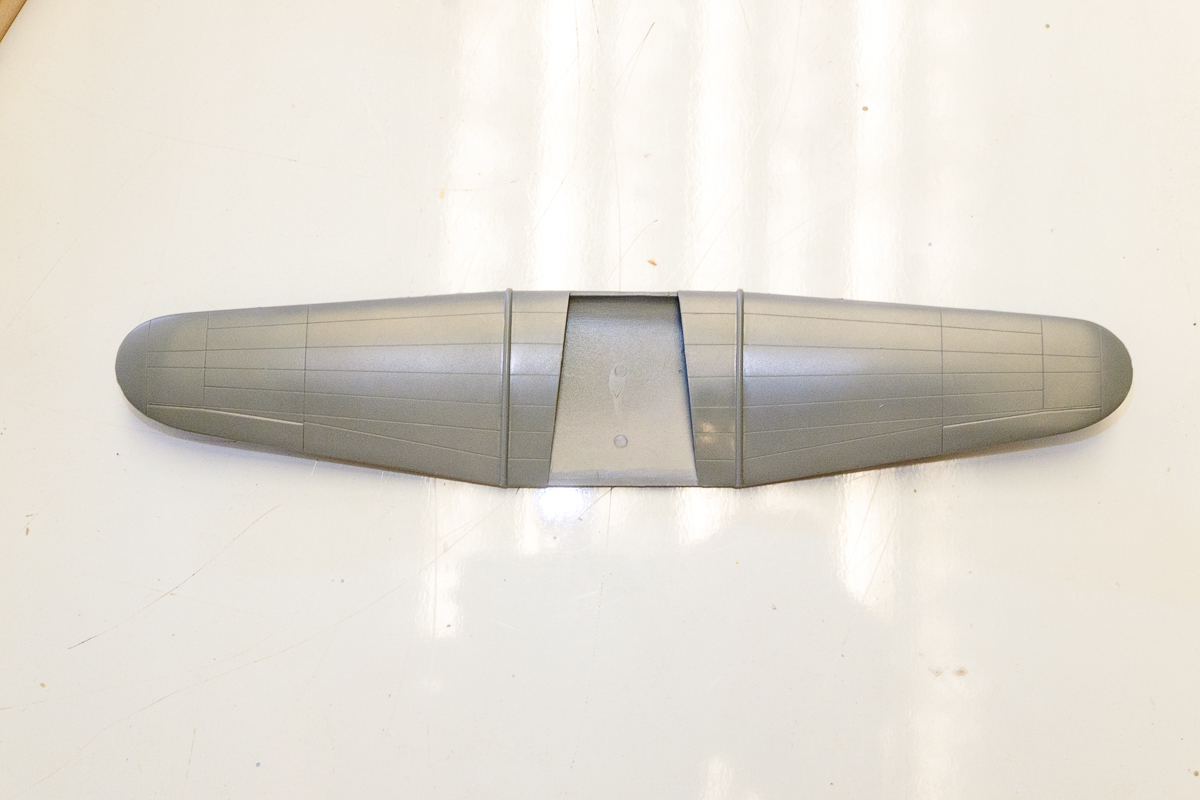
d. The part thickness for the fuselage and wing/stabiliser halves is uniform.
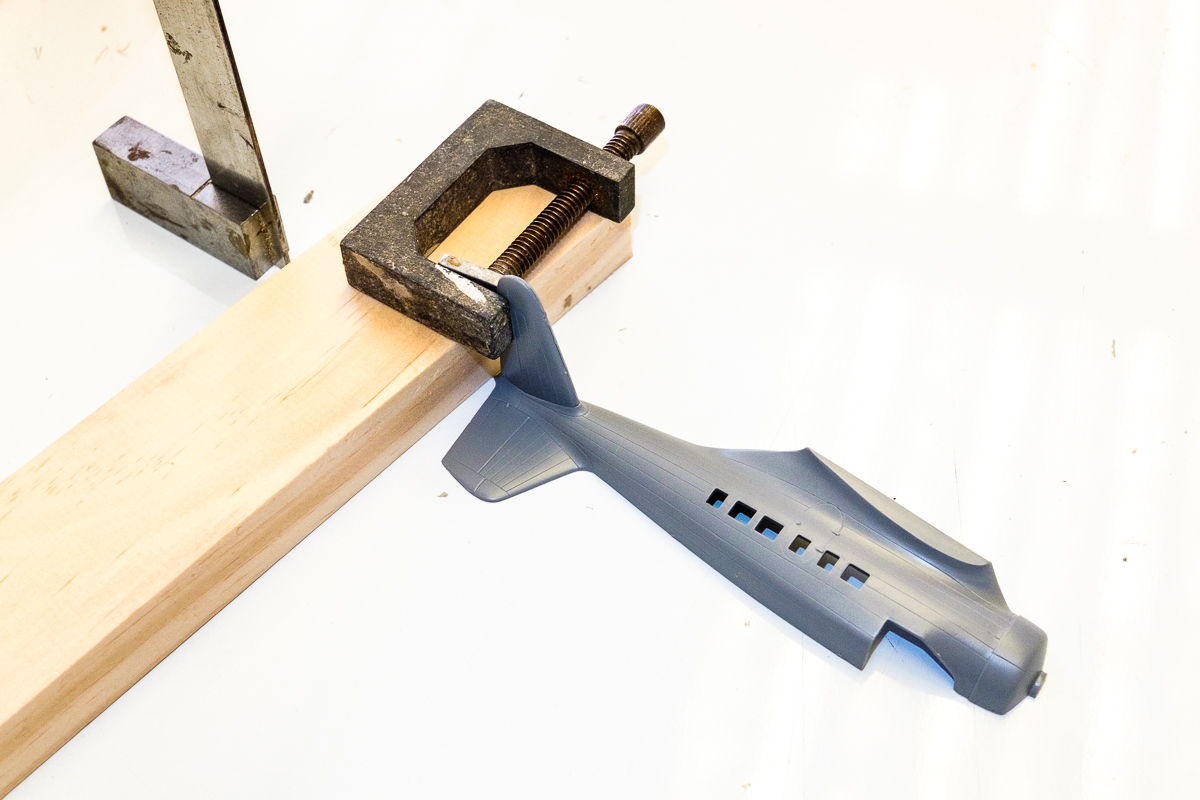
I’ve decided to experiment with a tip given to me by a friend – I’ve attached the horizontal stabilisers to the fuselage halves before glueing them together. I’ve jigged and braced the setting parts and used a set-square as reference. If they are wonky when the fuselage goes together I can always cut them off and re-do it by eye.
 The Little World
Leave a comment