
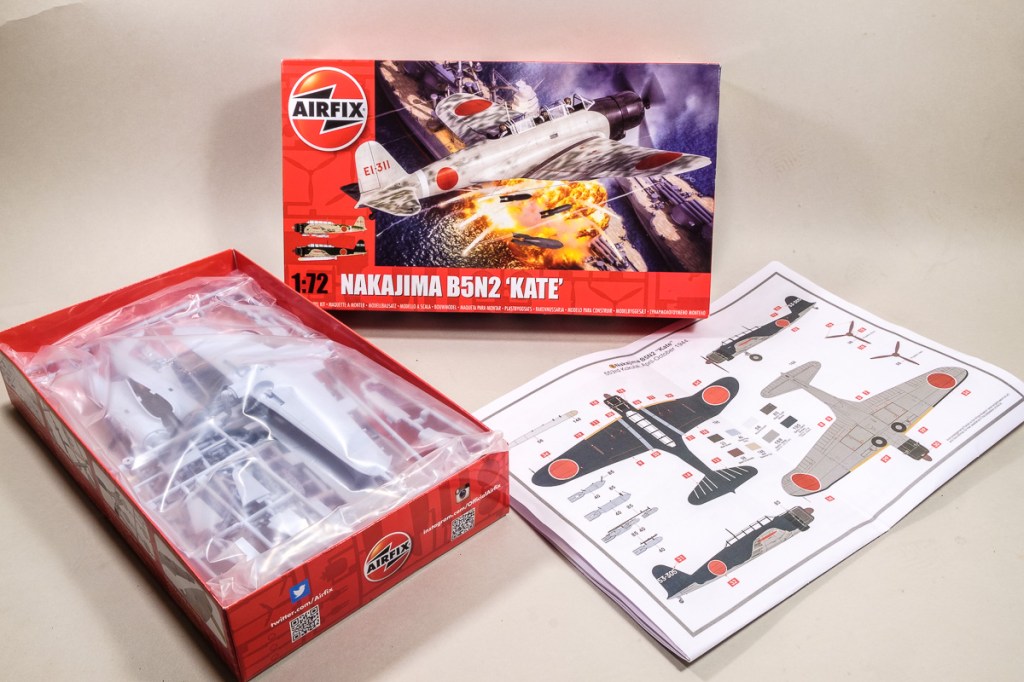
The new Airfix model kit is sitting drying in the warm workshop as I write. I’ve done the washing of the parts, scanned the decal sheet and instructions, and done a preliminary check of the parts. I’m delighted with what I’ve found.
Or not found…no polyurethane blocks with miniscule parts to be sawn free and sanded whilst wearing a HAZMAT suit. No photoetched sheet of tiny brass fountain pens to put in the pilot’s tunic pocket. No need to Google search to see if the pens should be blue or black…
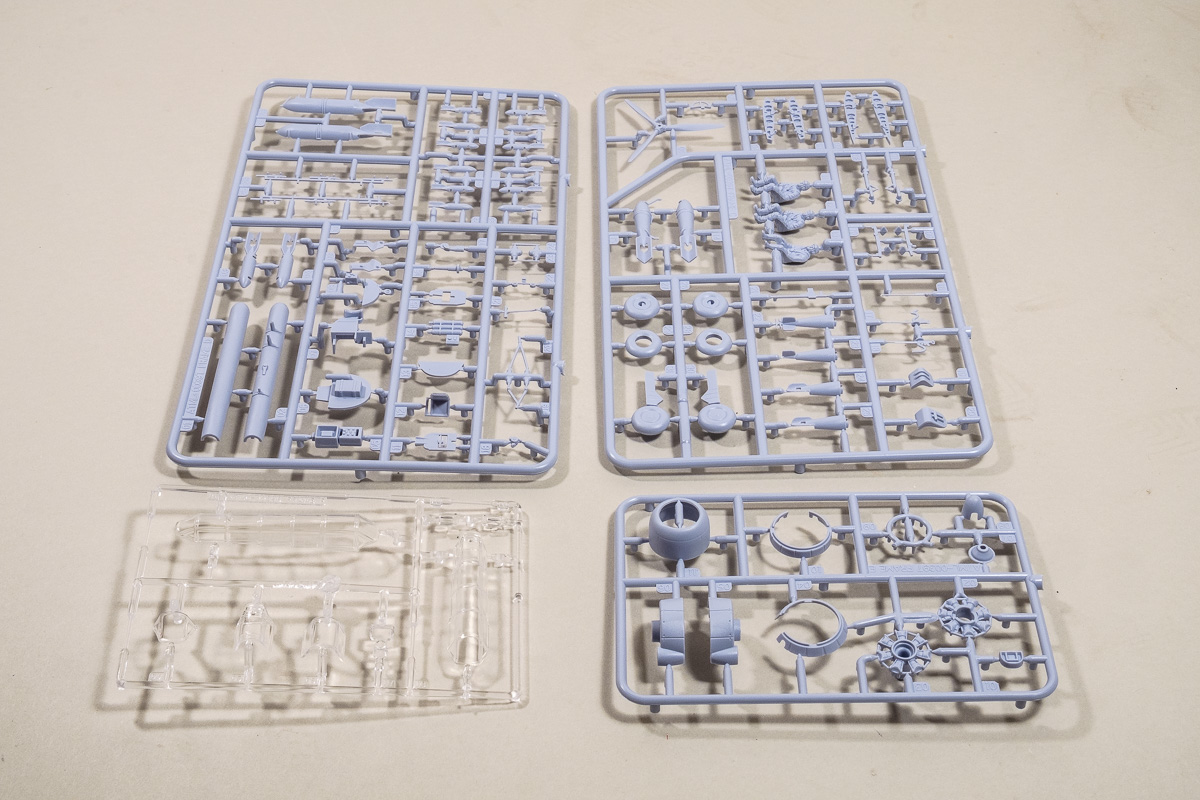
There are small parts, true, but they are not so tiny as to defy belief nor to cause anguish if they are not glued in place. I will be standing away from the ‘ Kate ‘ with a camera and not preserving it in a glass dome. Not trying to be sloppy or devil-may-care, but I realise there are limits to everything; dexterity, eyesight, and temper. Airfix have also realised that there is a limit to what people will pay for a model, enthusiast or not, and have pitched it at a sensible price.
Sneer if you will, but remember that the same applies to the die-cast collector’s cars. The foremost makers may glory in the $600 model with the inflatable tyres and maps in a working glove box, but the ones who make the more modest offerings see their cars in every department and hobby shop…as well as games shops and toy stores – and sell far more examples than the ultras. There’s a lot more pleasure given with the smaller offerings than the bigger ones.
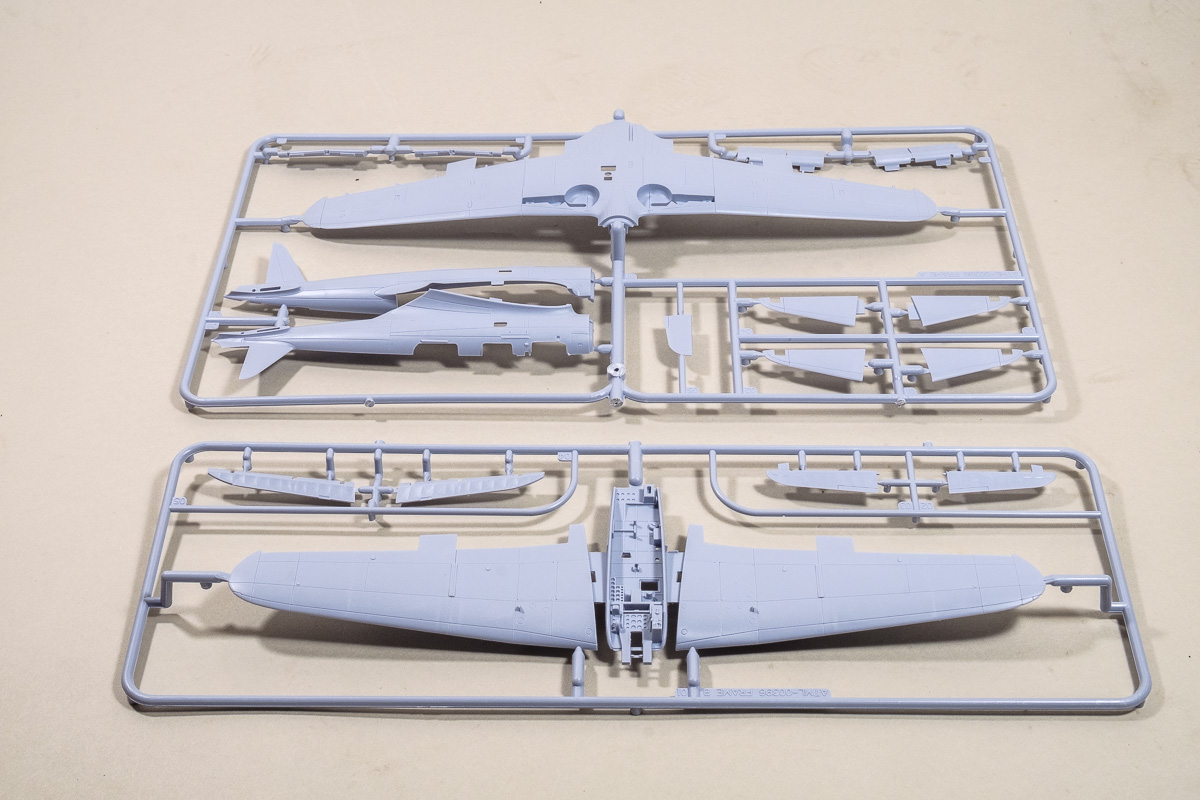
The design of the castings also makes a great deal of difference to the accessibility of a kit. I can cope with wings and tails that glue on with a flat butt joint but I know that far stronger joints are produced with tongues, grooves, sockets, and such. Alignment is served better if there are aligning tabs. Younger modelers have a much better chance to succeed – and to go on to more models – if these aids are incorporated into the mould. Us old coots appreciate it as well – we want a bit of success too.
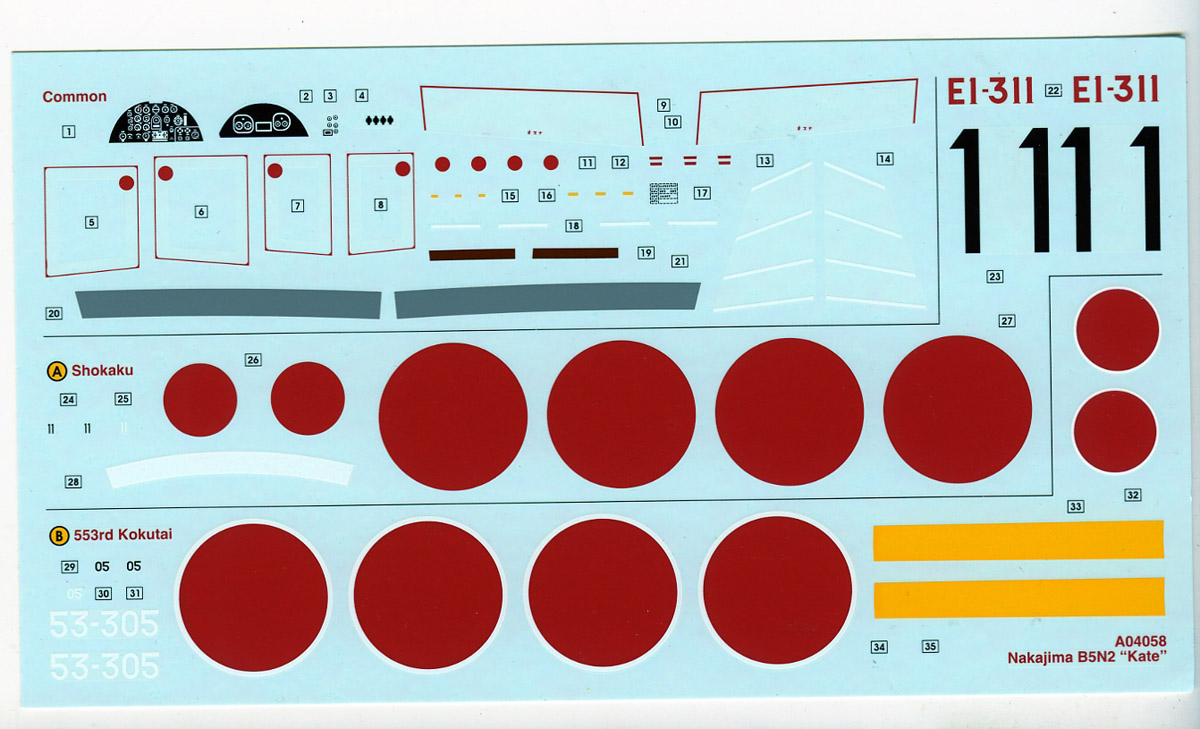
Lastly, the decals. Now that I’ve learned the glosscoat and satin coat tricks – the decal setting solutions and the wet paintbrush placement – I’m a lot happier with decalling models. A few partial failures recently, but no real disasters. I still realise that there are some markings that would detract from rather than assist the look of the finished model, but I’m getting more adventurous with little ones.
I’m grateful for internet access to let me see what variations there might have been with original aircraft, but I am also getting a little skeptical about more garish schemes. It’s akin to the business I noted when I collected muzzle-loading firearm replicas – the makers did a fine job but the examples they selected to reproduce were sometimes very special museum pieces and it gave a rather skewed view of the final product. Like an Osprey uniform book, whatever the makers sold was seized upon as gospel in the reenactment world and woe to the researcher who uncovered an inconvenient truth.
I’m a little unsure which way up the red rising sun insignia go, but I’ll do some more Googling…
 The Little World
Leave a comment