
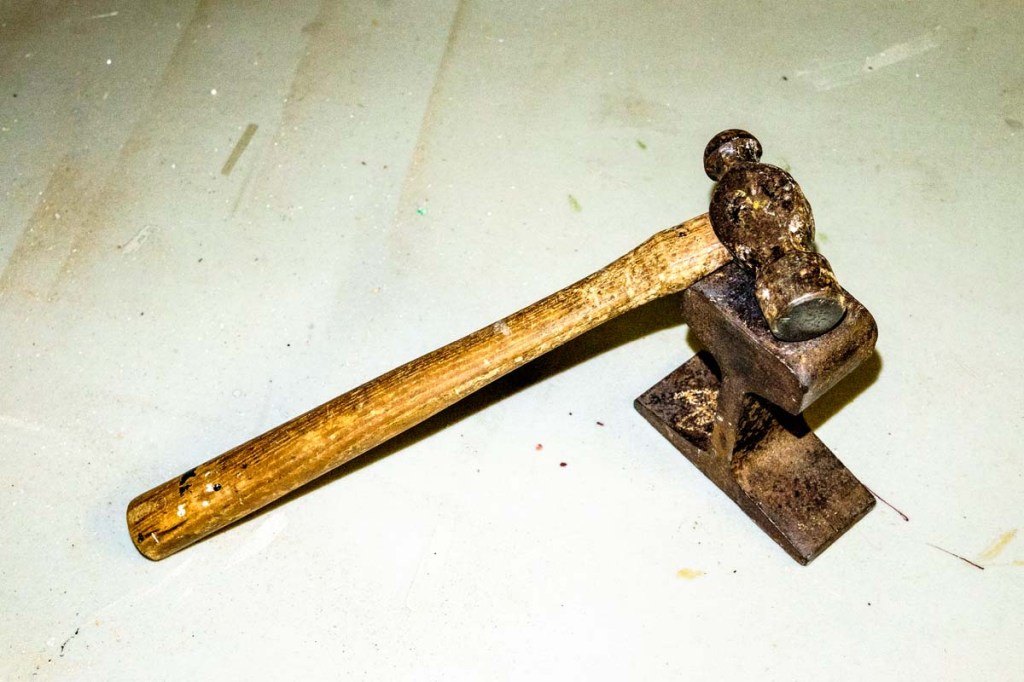
And lighter than you can lift…
Have a look at the tools in your workshop – whatever your shop produces. It doesn’t matter whether it is turning out toy airplanes or plate armour ( and I know workshops that do just that…), there are tools there that are built like a rolling mill in Henry Ford’s auto factory. You might have inherited them from generations gone or you might have built ’em yourself out of granite slabs and old naval rifles…but whatever they are, they’re built solid.
This is all to the good, with the exception of the time when you stub your toe or pull one over on yourself. When all is going well, hefty tools do a better job than skimpy ones. They work from a more solid base with less variation in their cut or closure – and you can apply the appropriate force to them without things skidding away. To that end, when you make up a tool – whether it be a cutter, press, jig, or whatever – make it as if it needs to last 50 years.
You can do this if you are a metal worker – welding, bolting, bracing, etc. You can also do it if you are prepared to work well in wood, and are also prepared to pay the price for good timber. None of these supplies need to be perfect material to start with if you are prepared to dress timber, grind steel, or polish and fit mechanical parts. Look ahead with it all – if you see wearing points that need re-enforcing, do so at the outset – you’ll do it neater and cheaper than if you need to step up in a few years and repair a failure.
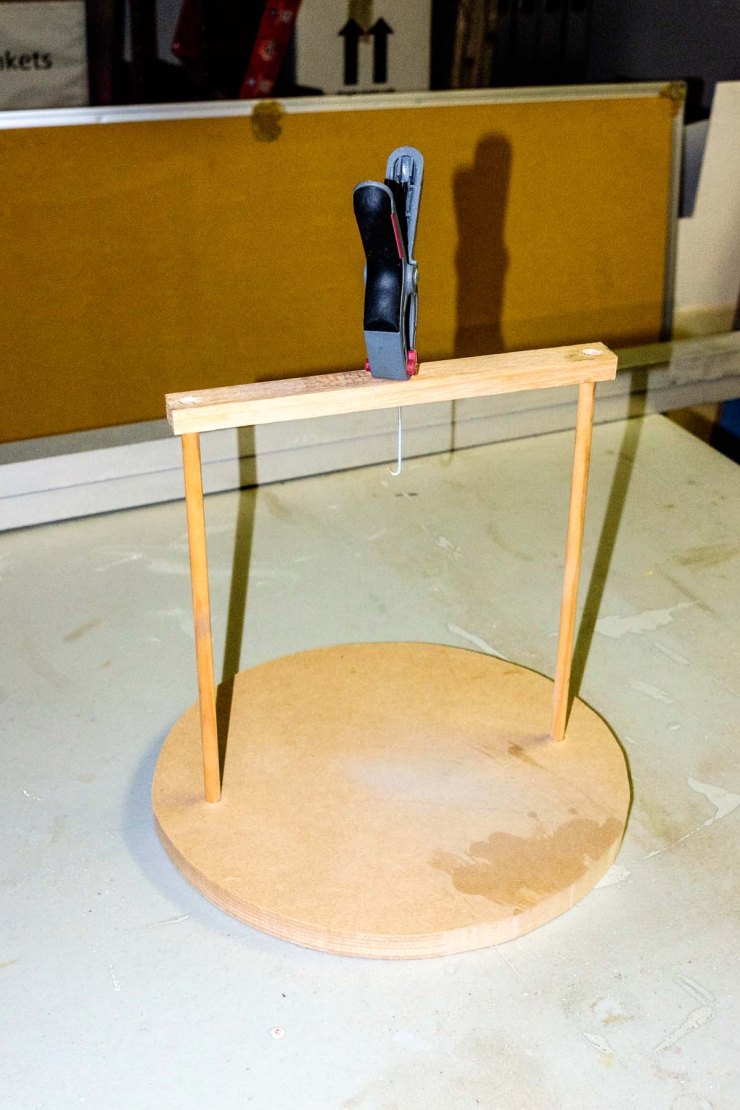
By the same token, if you are going to make a tool, expect to sharpen, re-set, align, or repair it at some stage of the game. Incorporate adjustable parts or interfaces that will let you do so. It is no shame to go look at the professional goods, either, because you may well see an answer to a problem that you are faced with or – even better – a way to avoid any problem at all. Remember that professional tools and machines went through a long period of development and that included failures. If you let the pros make the mistakes and map them out, you may not need to do so yourself.

Also, don’t be ashamed to combine parts of professional machines with your own production – after all that’s what you do when you bolt a high-quality bench vice to your home workbench. You can make the bench but you would be in trouble casting steel for the vice.
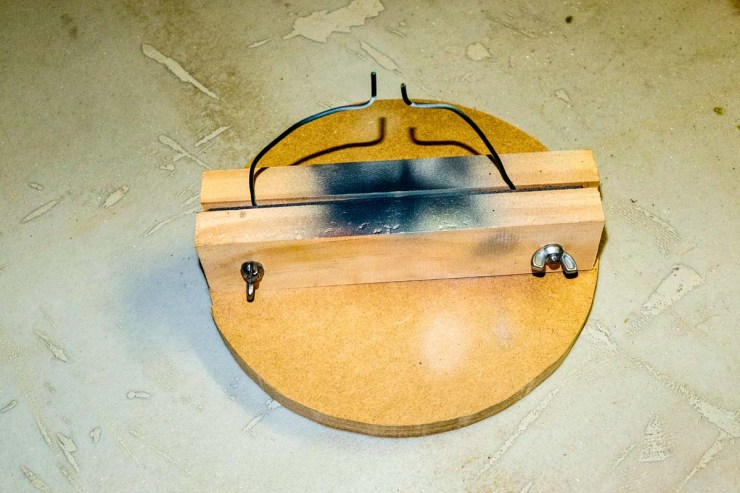
Remember that not all parts of all machines are designed to last forever – there are blades that are meant to be replaced as well as many other cutters and formers. If you need to replace something frequently because of contamination – say in paint spraying – you can opt for lightweight materials and make the replacement part as simple as you can and only as big as is necessary. When you make the first disposable part, make a half dozen of them and set aside a pattern for them that can be followed ever after.
Note – this sounds complex, but it is as simple as determining the best way to cut a paper towel into 8 pieces for a paint wiper. It’s sort of soothing to sit there while something else is drying and add to the stock of disposables.
Final note: Aluminium. Sheet or extrusion.
Tempting, as it is easy to hacksaw and can be filed quickly. A trap if you need to make something to last – you may well spend 2 x the amount of time and 4 x the bulk of material doing what you could do with wood or steel.
 The Little World
Leave a comment