

I try to be thrilled with all parts of the kit building I do – from the shopping and acquisition through to the plans, cutting and fitting, painting , and final assembly. But it must be said that there are times when the stages are very small and you don’t seem to progress.
The initial thing for nearly all builds seems to be the cockpit and interior. I do not indulge in aftermarket cockpit parts replacement and shy away from photo-etch minutae so the level of detail Airfix provide and demand is just about right for me. I also appreciate them giving me crew figures, though in a multi-engine job like this Lancaster, I would appreciate a flight engineer and a navigator or bombardier as well.
In an aside, have you looked closely at the drawing of the pilot in model Airfix instruction sheets? Here is a scanned enlargement of this latest one:
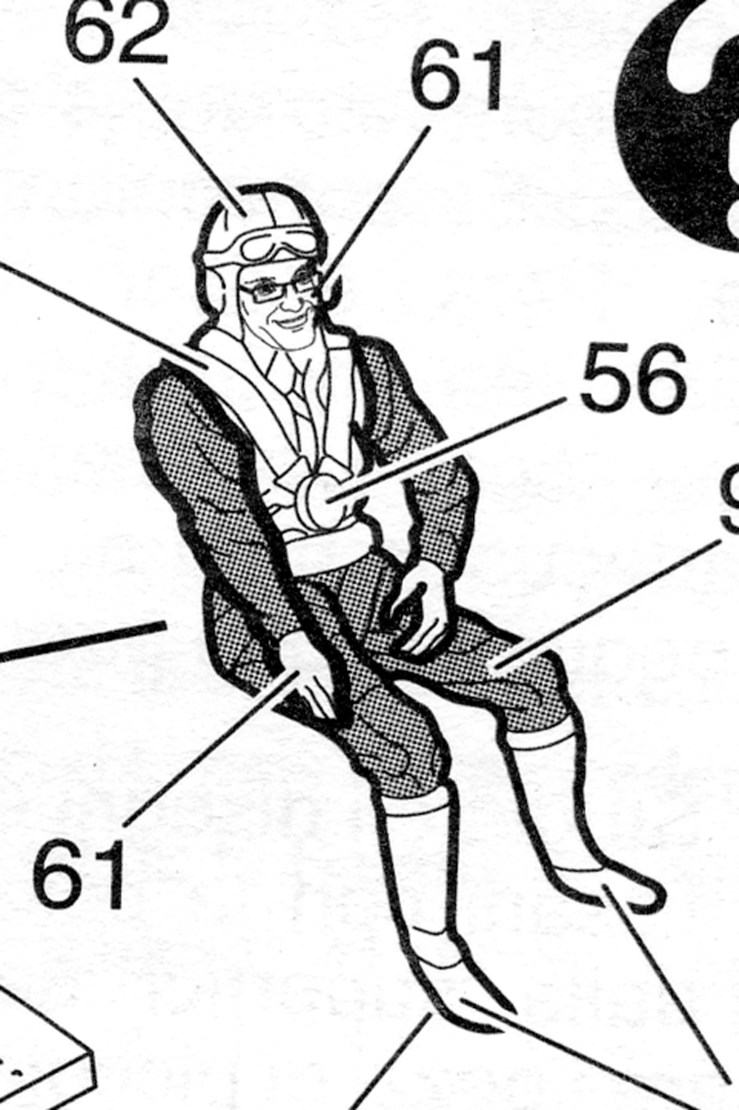
The actual figure in the kit is a pretty good little 1:72 bomber pilot. The drawing, however has a face that looks suspiciously like an accountant on holiday. Could the graphics designer be having a bit of fun with the office staff? Or with the manager of the Indian moulding plant? Will we ever know? I must look at more Airfix instruction sheets to see who’s flying these things…
Back to the assembly. For the most part the office is fairly bare, but they have the essentials there. And then they’ve gone and added the navigator’s position with map table and instruments. You’ll see that later.
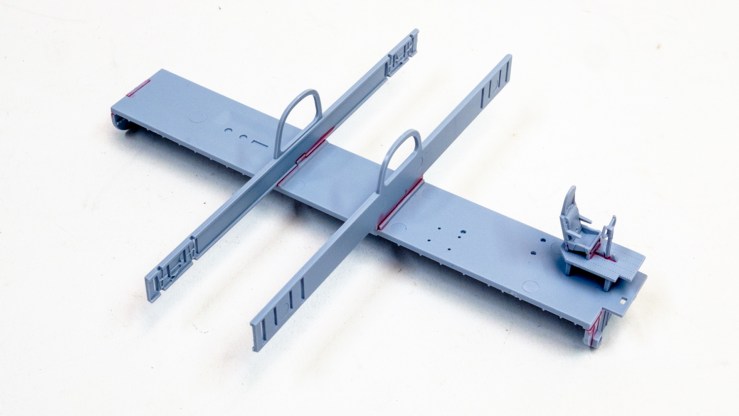
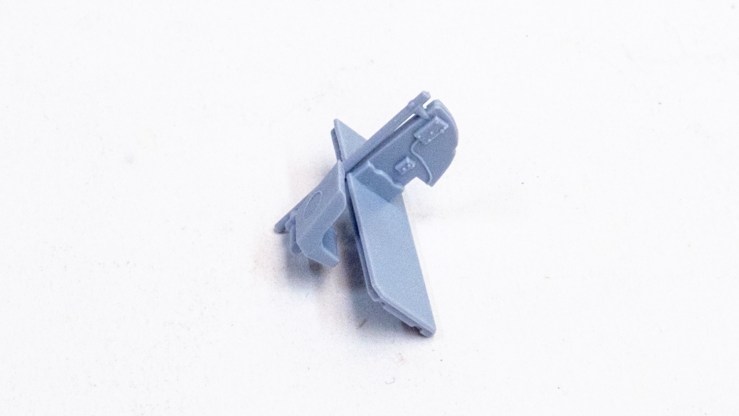
Now I went and gave myself extra trouble when I designated this Lancaster as the Canadian rescue version – the windows had to go. They’re glued solid and then filled with dissolved putty. makes a nice change from worrying about the masking leaking. Now I can worry about filler shrinking.

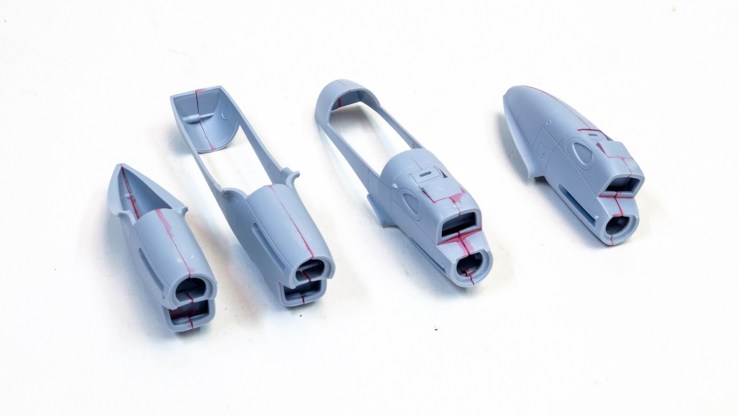
Engines are classic. The pink PVC pipe cement is a bit off-putting but is very inexpensive, quite poisonous, and paints over beautifully.
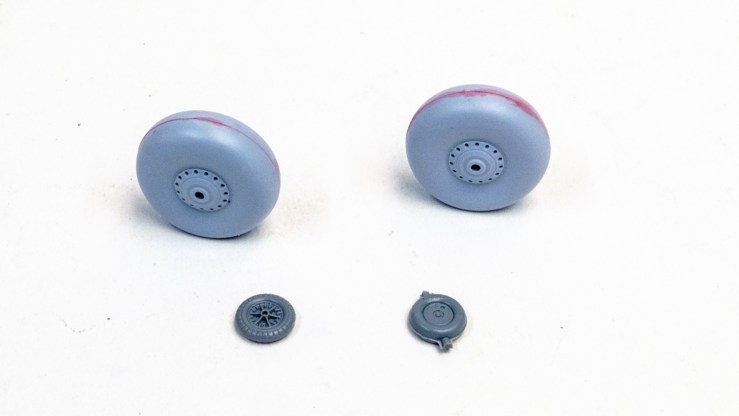
And the wheels are amazing – that’s the main gear compared to the size of main gear from a Spitfire and a Messerschmitt in the same scale.
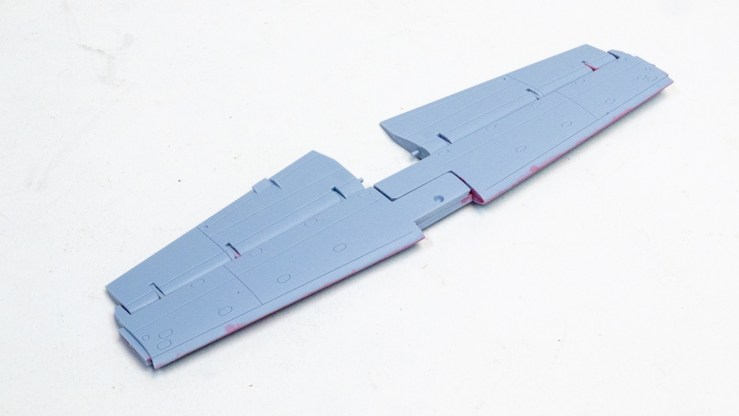
Final dry fit subassembly is the horizontal stabiliser. The two tongues that lock each other are handed for left and right. You can slide the tail in with no cement and then tack it once in place – no propping up the plane to measure anything. Beautiful engineering.
 The Little World
Leave a comment