
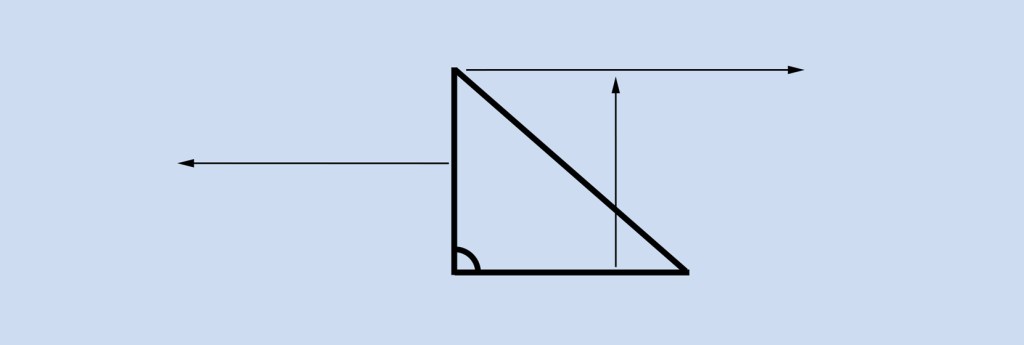
a. The shape of a fuselage is arbitrary. It can be one shape one side and another thing on the opposite side. This is known as the Buda-Pest principle. As there is a front and a back it can also be different there, so that’s four parts that may have their own opinion and refuse to be reconciled with anything short of an angle grinder.
b. A dropped part gains velocity in inverse ratio to it’s size – small ones move faster. It also gains more velocity in an inverse relationship to the distance to the bench. 10 cm falls slowly and 1 cm goes like greased lightning.
c. The lodging point of the dropped part is directly related to the amount of pain you experience in the knees getting down to search for it. If you’re agile it’s by your foot – if you’ve got a knee replacement it is under the refrigerator.
d. Cement does not ooze – it either blocks or spurts. No middle ground.
e. Superglue will only stick where it is not wanted. In the small portion of the model where it might do some good it remains liquid forever – on your good sweater it seeps directly from the unopened bottle up your arm.
f. Paint will not dry while you watch it – even if you are stuck to the bench by your sweater and super glue, yelling for help. It will go rock-hard in the bottle that has spilled down the back of the model cabinet in a matter of seconds.
g. No red paint can ever be the same. The same as the bottle cap, sample card, any other red paint, or itself two times running. Just never.
h. The sharper the blade is, the more the tip breaks.
i. The duller the knife is, the more times you will drive it into the ball of your thumb.
j. It is possible to tarnish anything.
 The Little World
Leave a comment