North American readers of this column may have noted the use of the word “anorak ” occasionally. There is a story.
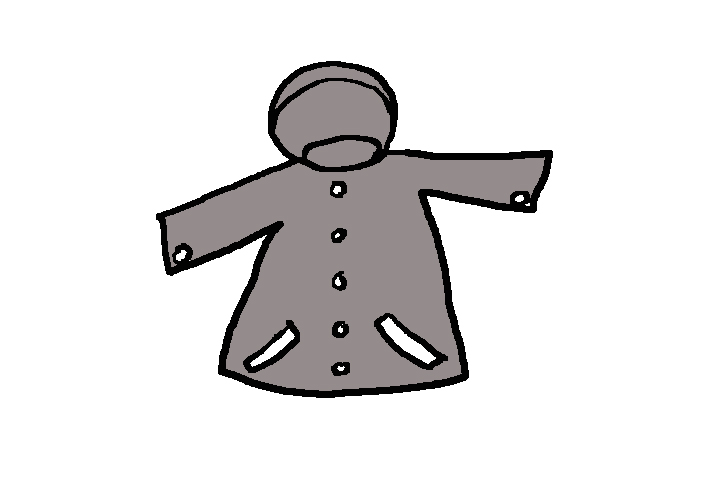
The original garment may have been Scandinavian, or adapted from an Inuit one. The name also – I cannot tell from googling which is the case. It is a supremely useful thing to wear when you are to be subject to wind, rain, and cold. With care, none of these enter to bother the inner you.
The term, however, came to be English slang for people who have an obsessive interest in a niche subject – possibly derived from the train-spotters of the 50’s and 60’s who wore them while waiting on railway platforms in British weather to see if they could log the passage of a new class of locomotive.
I cannot say whether it is a term of affection or contempt, and will avoid defining it further so as to allow me to use it in my posts. But I have met anoraks in all sorts of hobbies.
The photographic anorak often criticises but rarely exhibits. They know the entire operating sequences of obscure cameras and will tell them to you if you like. They will also tell them to you if you don’t like. Frequently the only way to escape being told is to lock yourself in the toilet, and if it is a multi-stall one you are still in danger. They can talk through walls.
Modelling anoraks know a great deal about modelling, even if they do not do it themselves. They are a font of knowledge about the paint colours of 1940’s vehicles and aircraft, and you would be well advised to consult them before you even think about painting your new model Messerschmitt. You will have to endure about 45 minutes of hectoring lecturing, but it is better to get it over with now than later when the ( wrong ) paint is already dry.


 The Little World
Leave a reply to Dick Stein Cancel reply