

It goes to temple every weekend…
The Mitsubishi Ki-15 was possibly very useful to the Imperial Japanese Army – depending upon where it was sent and what was going on down on the ground. The aerial observation of enemy movements – whether that was Chinese or Soviet – could have guided the high command to make vital tactical decisions.

The value of the plane to the people riding in it was very much less. It was unarmed, and, while it was fast, was no faster than the Polikarpov I-16 and later Allied warplanes. A high-speed sitting duck.
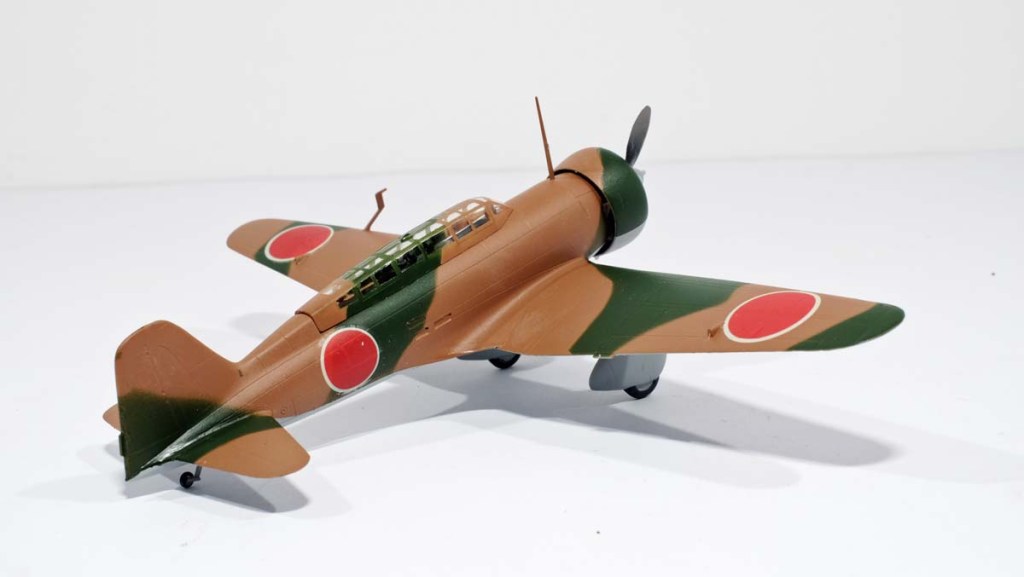
It did carry bombs occasionally as a light attack aircraft, but there was no defensive armament and little defensive strategy available to the pilots beyond shouting ” Banzai ” and going down in flames.
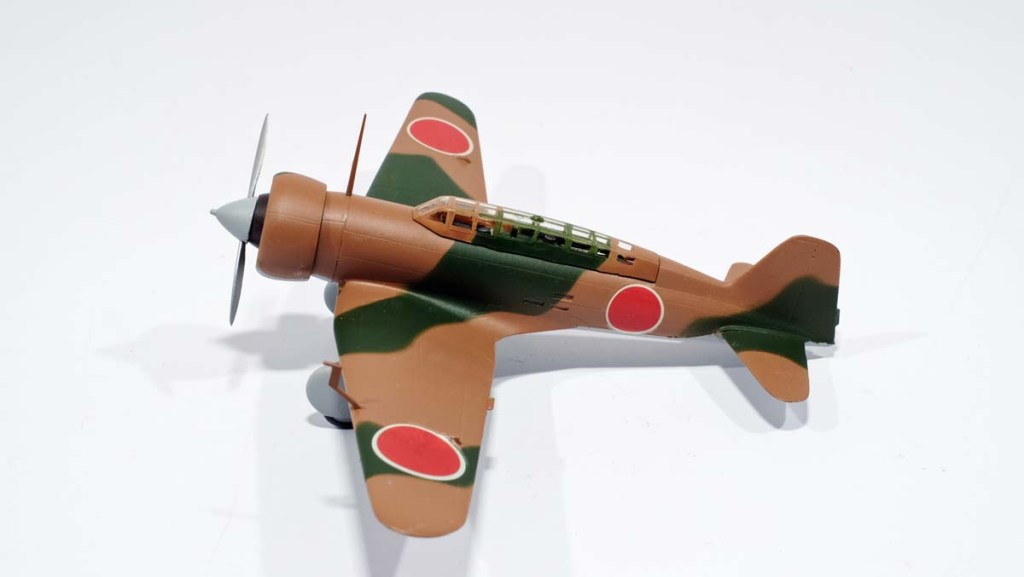
The Hasegawa kit is a production of their early classical period and rewarding as such. Very little seam filling and the canopy snugged right down. The decals were largely munted with age, but a fortunate You Tube discover suggest how they might be saved.
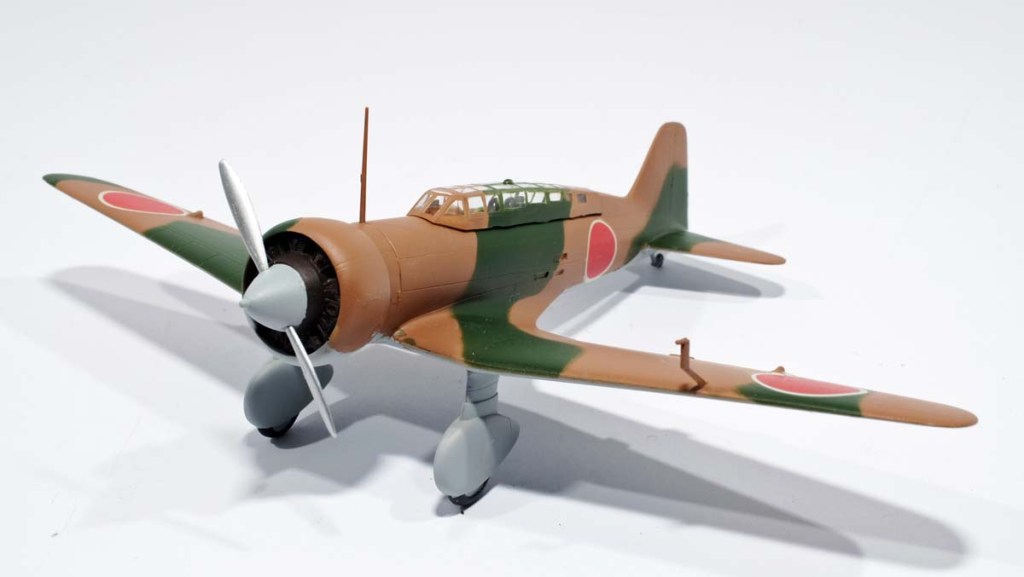
The were not releasing from the backing paper – it had hardened well past the point of accepting water from the rear of the decal. SO, in line with the video, once the paper was a soaked as it was going to get, a knife blade was used to scrap the paper from behind. It balled up, came off, and exposed the deeper layers to the water. Eventually all the red insignia floated off easily and then bedded well – no settling agent was needed. They even conformed to the rivet lines.
I do not think it would solve the problems of eastern European decals – they are nearly always too thin to survive and shatter as soon as you stress them – but it would make some of the tougher oriental decorations behave. Good luck with wing walk lines…
 The Little World
Leave a comment