

This kit has all the appeal of a Revell re-box.
The two halves of the fuselage may have been pulled out of the mould while still hot and allowed to cool on a window sill. The result is a progressive rolling distortion that will never allow the parts to join in one cementation
I decided that progressive cementation ( Also known by my friend John as regressive cementation ) could do it. The tail first, then the upper spine and nose, and then the belly. If it was all going to look like Hell most of the damage would be on the bottom where it might be hidden.
I did try to flatten and ease the fuselage halves with sanding along a flat plane.
MInd you, before this was possible the window panels had to be put in, and as none of the openings matched the clear parts, there was a half hour of internal filing to do.
A Revellation…
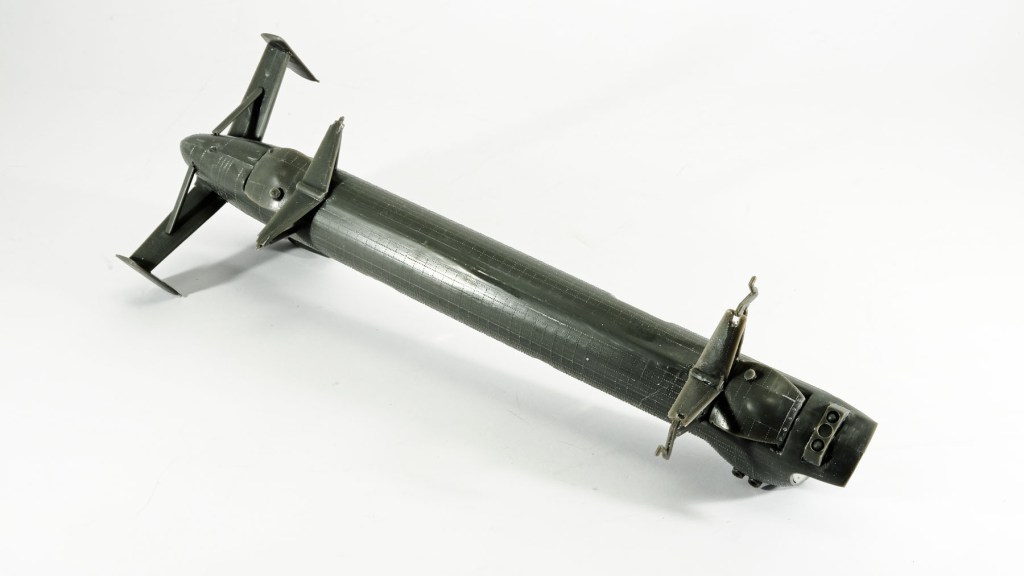
The engine intakes, the bottom plates, and the cockpit area are all sloppy and gapped fits. I don’t even have the enthusiasm to fill them. After all, Bristol and airfix don’t seem to have cared all that much.
FInal touch for the first day has been the necessity of filling the axle holes in the wheels to allow them to be redrilled – otherwise the wheels would fall off.


 The Little World
Leave a comment