People who model detective’s cars have it easy – they are always supposed to be unmarked and that means you do not have to worry about the decal sheet having deteriorated in time.
I do not have the luxury of insouciance when it comes to 1:72 aircraft. From the daggiest little trainer at the local airport to the commemorative bomber, they all have numerous markings. You cannot avoid putting something on to break up the colours.
In the case of a recent $ 5.00 fighter plane, the decal sheet was yellowing badly…so I tried the oft-quoted trick of taping it in a sunny window for a week. That saw the yellow off. Then I sprayed the sheet with clear acrylic varnish, and that kept the old ink from disintegrating. As long as I cut the decals close to their pattern so as to minimise the extra carrier film, they actually worked.
It took longer than usual to soak them loose from the backing paper, but I expected that anyway. And the Mr Mark Setter slid them in pretty well. But there are some decals that, frankly, are impossible.
Some aircraft are marked with wing stripes that indicate limits of their structure. If these are supplied as decals, they are always difficult to put on – they stretch, wobble, and break. The old lines on the decal sheet were precisely this, and in the end I realised that they would never be satisfactory.
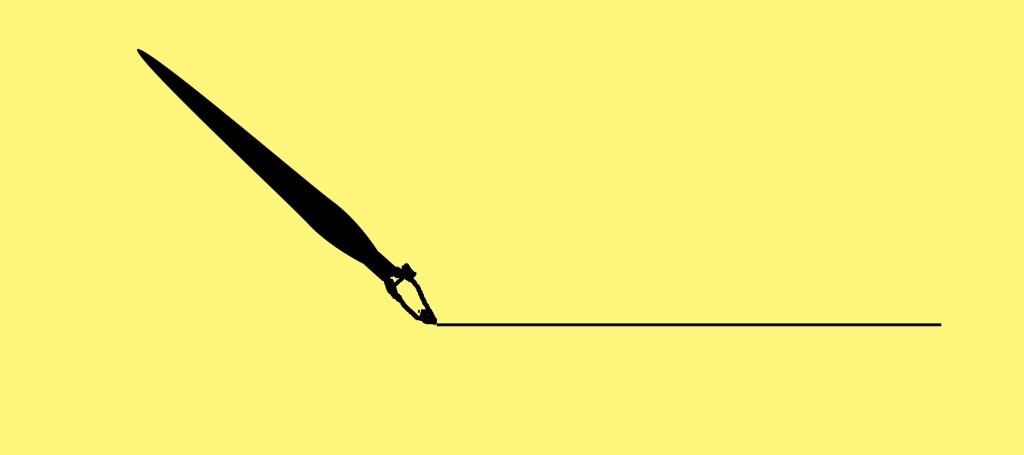
But there is a resource for lines. The railway modellers know this when they need to line carriages. It is the dear old bow pen. I loaded mine up with a thinned semi-gloss black and just followed the preset panel lines cast into the fighter’s wing. The result is all I could have asked for.
It encourages me to try this sort of thing more in the future whenever this sort of pattern is called for. As with all paint techniques, a thinner mix and repeated coats is the key to a good finish. Also choosing a paint that will not react to underlying coats. It also means that different colours for lines are as simple as choosing the paint.


Leave a comment