
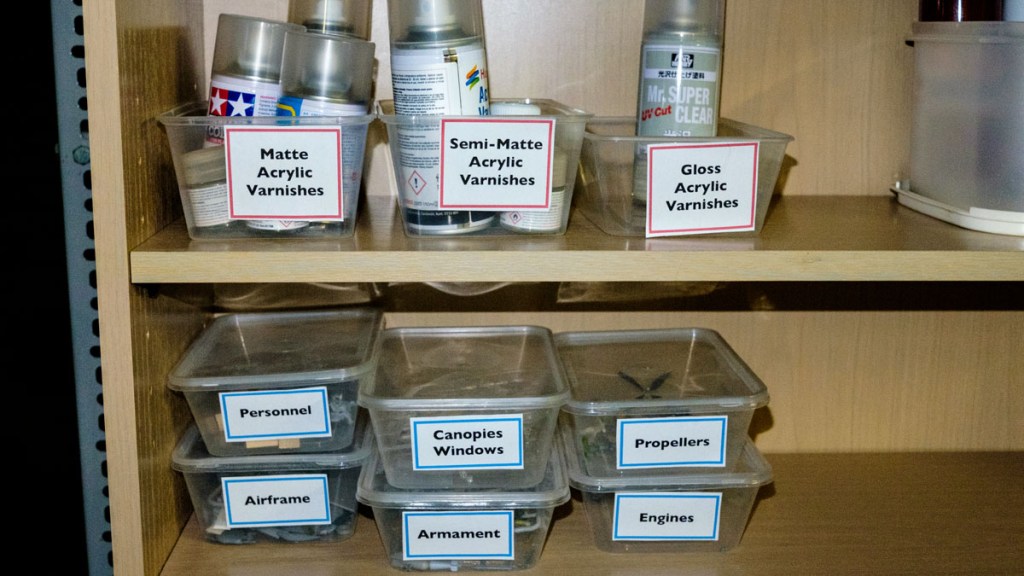
Every model maker has probably used an aerosol paint can at some stage of the game – if not as a final coating, then at least for undercoats. The cans that we get from the hobby shop are somewhat small, and can be pricey, but are generally first-quality paint and can go on with good results. Sometimes too good…
The cans run on a higher pressure than most of our airbrushes – and the paint they throw out can be thicker. If we have gotten used to mixing for our airbrushes to the mythical ” consistency of milk ” we can be surprised at what shoots out of the spray can.
I have been caught twice now with this form of delivery – though it was not the fault of the manufacturer nor of the product in the can. In one case the application rather spoilt the fine finish on a model and in another so ruined a second model that I recognised it as a total loss and threw it in the bin. In both cases I believe it was a matter of applying the spray too close and too intensely.
I am a little surprised at myself for this – when I used the Pactra rattle cans in my youth on AMT cars, I followed the advice of the model car magazines and kept the spray at the required distance – I started the shoot well to the side of the target and finished it after I had passed. It took about three or four coats and this used up a whole can of Pactra lacquer over a couple of days but the finishes were good – I never found myself throwing a model away as unfinishable.
Time to step back a bit from the booth – literally. I may be crowding forward too much with the cans and not getting a good swing from side to side. I have a table on a swivel that I use for larger models and it may be that this will be needed with cans.
I must also be more patient – getting the mist coat right before trying for complete coverage – I need to remember that I am not on a government contract and the model can take two weeks with no detriment to my finances or the war effort. Indeed…if I do not have to go out and buy another example of a model – as I need to do now – the price will be halved.
We truly take two steps forward and one back sometimes.
Addendum: I think I have discovered another factor in my recent failure – the mistake of not reading the flaming label on the can.
I had good results previously with Mr. Hobby Top Coat clear varnish. So I went out and bought several cans of it – thinking to standardise on it as the final gloss for some models. I’d used up my original can and picked a new one off the workshop shelf for the disaster.
I looked at that can today – it wasn’t gloss at all – it was semi-matte. The cans are totally similar except for a tiny note on a sticky label. Indeed – the second reserve can I have is actually matte spray.
Sooooo… When I did the dirty deed on the first Corsair, I was not only too close, but spraying something that would never actually be gloss in the first place, and which led me on to more and more spray to try to get a wet finish. A disaster developed. I have now made three separate holding pens for the paint and varnishes and produced clear labels. Presumably I will not be quite so stupid again, though I cannot guarantee that I won’t be stupid in some new way…


 The Little World
Leave a reply to Dick Stein Cancel reply