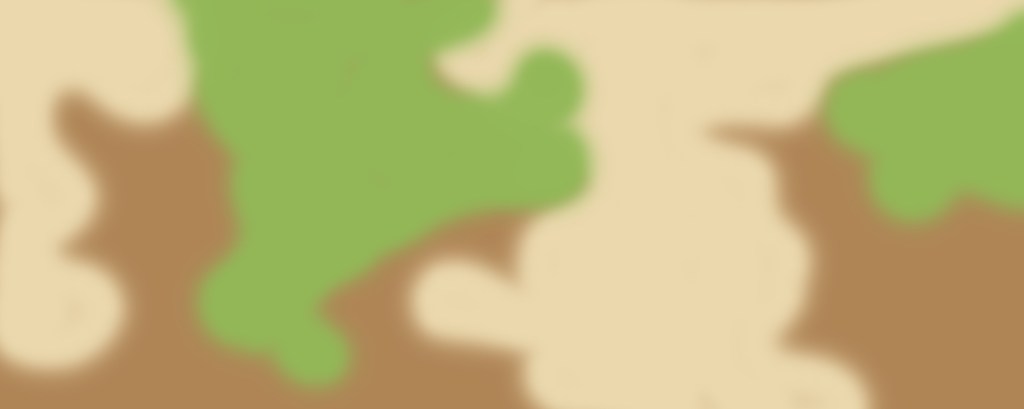
Camouflage in two shades is easy – just paint the lightest colour first, mask it off, and then paint the darker shade. Do the demarkation line as you like – hard or soft, and pay attention to whether the prototype wrapped any of its colours past a natural contour.
Move to three colours and you move up a level – think of the standard RAF day fighter or night bomber schemes with their A or B upper pattern and solid underside. The fighters are light below and bombers black, so you sometimes reverse the order in which you mask and spray. The top always has several shades to deal with and here the masks can be hard tape or soft putty worms and tape. You can fight amongst yourselves as to which is most authentic in the small scales, but I am now puttying for most upperworks. It is expensive only in time, and as you do more of these schemes you get faster.
But Lo! Wait until you get a three-tone upper as well as the light underside. Three tones means masking twice – at least in some areas, and can lead to more leakage and runs along lines. Curse the French and Israelis for their propensity to three-tone schemes.
At least the modern Israeli paints are readily available from Mr. Color and AK. I did not have to guess – the FS numbers were printed right there on the call-out and the glass bottles. And since I have taken Flory’s advice about a light initial spray to heart, the results are all I could ask for. Note that this is a hard-edge scheme but next time I need to do the three I’ll try soft-edge.
And yes, I am going to choose a late 50’s two-tone scheme for the Vautour fighter that is in the stash.


Leave a Reply