

An’ if you don’t keep on reading , you gonna get a nasty letter from de Kingfish…an a phone call too.
Those of you old enough to know what that was all about will smile. The younger readers will not. But some of them never smile anyway. Movin’ right along, the AZ model of the Vought OS2U Kingfisher that has joined the stash came about through the enticing little emails that Metro Hobbies in Melbourne send out whenever they get a shipment of new goods in. As determined as I may be not to spend any more money for the week, these communications penetrate right to the heart of the wallet. And here we are…
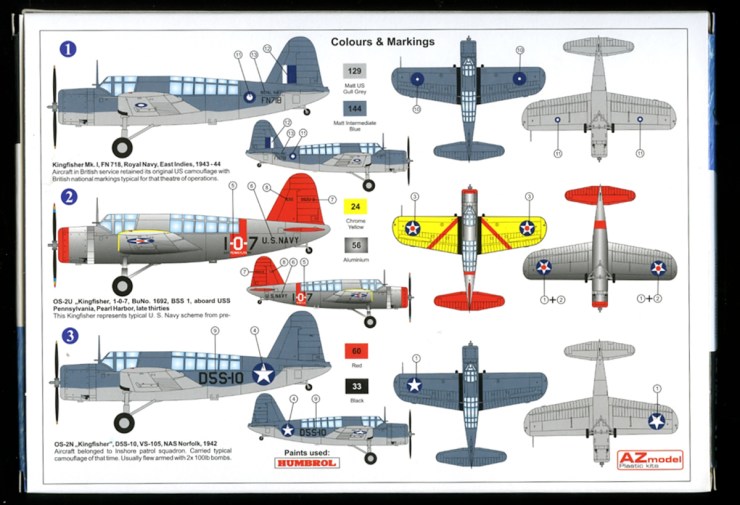
The box this kit comes in is one of the end-opening ones. These are sometimes decried by the reviewing press, but when the maker is sensible about it – sturdy box, easy-to-open flaps, etc. the idea has real merit. It means that the back of the box can be utilised as a high-quality canvas for the colour call out. This lets you have a clearer appreciation of what might be in the box than just the front art – and a far better idea than just a grey cardboard bottom. More of it, I say.
The sprue trees are in the slightly darker grey AZ plastic, free of most flash and with few flaws. You’ll see the floats of the standard ship’s spotter plane included as well, but I’ll opt for the wheeled version as my air museum is on dry land. One day when I build the lagoon and ramp at RCAF DOUHK BAY in British Columbia, I’ll put the floats to good use.

The real surprise with this kit is something that you can see – but never do. Just how small the Vought Kingfisher really was. While the overall size of the aircraft is nothing unusual compared to Soviet fighters or some French machines, it is a good deal smaller than the US Navy planes of the time. No wonder – it is a spotter plane to be catapulted off a cruiser. There is only so much weight a ship can support on a cat rail.
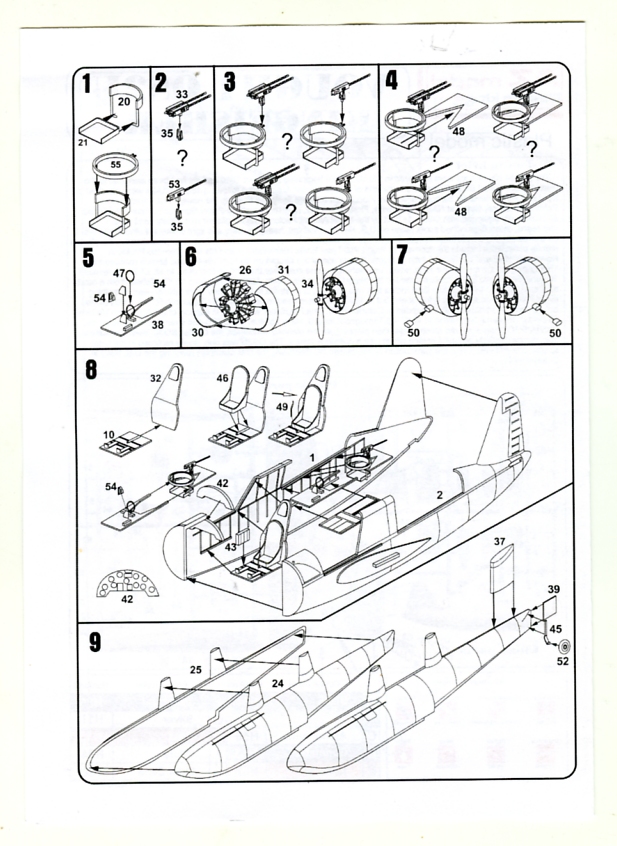
The surprising long rear canopy is sometimes laughed at by the other enthusiasts. But considering that the real job of this aircraft was to shadow and spot enemy fleets, the emphasis on the observer’s role is understandable. The pilot gets a front seat that makes it easier to see out from, but the spotter in the back with the radio gear is really what it’s all about.
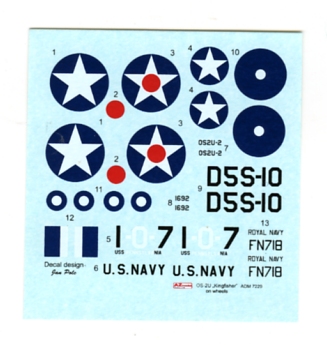
Which livery will I choose? Well, Yellow Wing, of course. How silly of you to ask.
 The Little World
Leave a comment