

It’s a nation that pours tree sap on its food. That eats strawberry jam pies. That considers chips in gravy and cheese to be healthy. Peculiarity is in the air.
This also extended to the products of Canadian Car Foundry and the training airfields. Hence the odd hole in the side of the engine cover on the North American Yale. In other countries they tried to get rid of the exhaust gases from their aero engines as soon as possible – the British had a row of exhaust stubs directly out from the cylinders of the Spitfire engines and the mechanics went deaf early. The Japanese and Soviets were even more direct – tiny tubes blasting out from their radial engines.
Only the Canadians led the exhaust from all the cylinders into one big pipe and passed it down half the length of the fuselage before reluctantly letting it escape.
The reason for this – besides the RCAF having been anal-retentive at the best of times – was that Canada had the occasional bout of cold weather… On the ground it ran for 9.5 months of the year but above 1000 ft. it happened ALL the time. Aircrew were in cockpits that had holes, gaps, drafts, and open hatches everywhere and there were only so many layers of Hudson Bay blankets they could wrap themselves in before it became hard to reach the controls.
So the boffins put a clean air-feed pipe down the centre of the exhaust tube and extracted all the heat they could get to pass into the cockpit. It helped, though winter at altitude still led to trainees having to be chipped out of their seats and thawed in front of a stove after the flight.
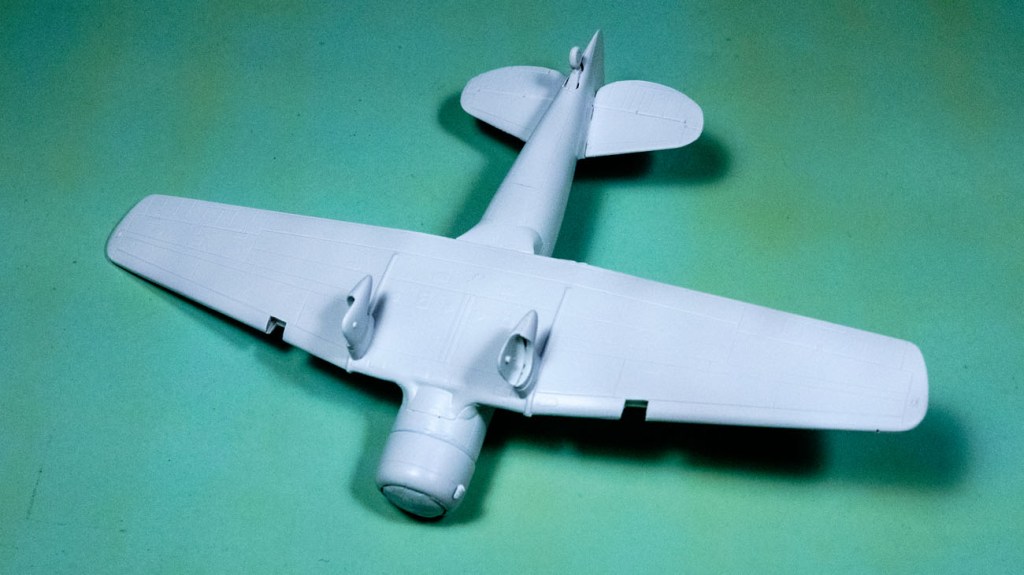
The pilots who flew the Yale as opposed to the Harvard were spared the training in putting down their landing gear but at least that was one less freezing lever to have to grope for.
 The Little World
Leave a comment