
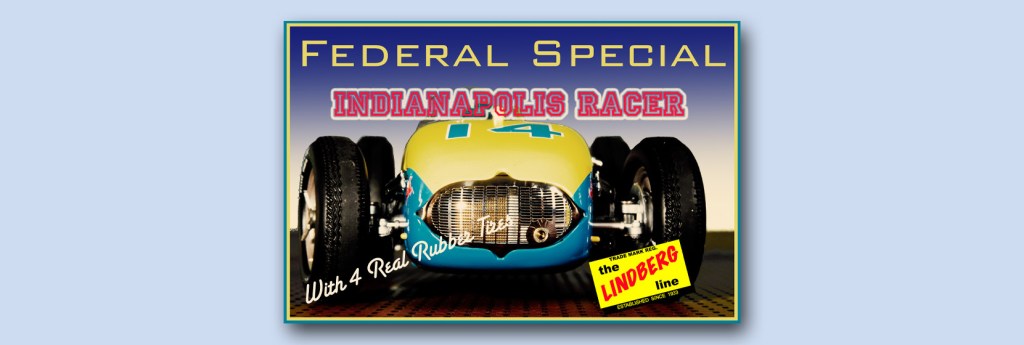
We’ve all seen them and we’ve all built them.
And at one stage of the game they were the norm. The box-scale kit that was accurately drawn from official government plans and moulded in 1/60 or 1/94 or 1/287…
We were captivated by the box art…or the fact that it cost $1.49 and we had $ 2.00 bill for our birthday…or the fact that we just wanted a model kit sooooo bad. So we bought it and built it and were delighted and wanted to go out and get more in the series – except there were no more in the series…ever.
The mould was made to punch out a plastic product that could go into a standard box for economic packing and shipping. It was dictated by the freight costs and by the dimensions of the average shelf in a drug store or department store. We were the tail end, and the commercial dog was wagging us.
Now we demand our kits to common scales: 1/144 up to 1/8, but in categorised lots. If you want to build aircraft you get a big variety in the 1/72 and 1/48 but a lesser selection in 1:32 or larger. Armour people nearly always gravitate to 1/35 and the ship builders get 1/700, 1/350, and 1/200 in a good variety. Cars roll out at 1/32, 1/24, and 1/25. A collector can set their sights on a long building series to end up with dioramas, collections, or other major works.
But the companies that made the box-scale kits sometimes still have viable moulds and you can find re-issues of them put out at some pretty good or pretty bad prices. If you have no history going back to their first release you are actually better off selecting a modern kit in a recognised size. If you want a variety of markings you can buy them from the aftermarket companies…no chance of that with box scale.
But if you remember Howdy Doody, 5 cent chocolate bars, and the smell of Revell lacquer paint, you might just be tempted to buy one of the new, old boxes and relive your childhood. Don’t expect the decals to look real to anyone else but yourself.
 The Little World
Leave a comment