
Category: Canadian aircraft
-
De Havilland Kate Moth – Part Two – Bobbing On The Lake
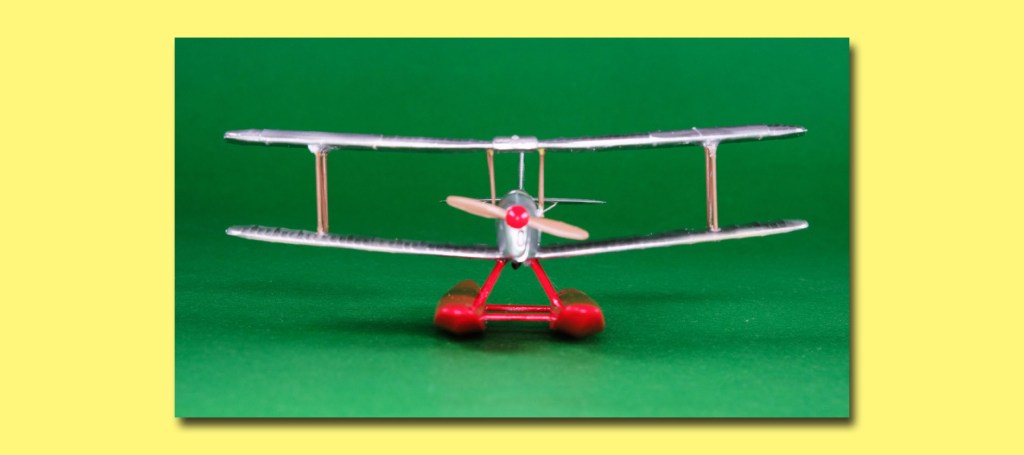
Nothing said sport flying like a Kate Moth on floats. Whether it was in the Yukon or Ontario, the Kate Moth formed reliable transportation for hunters, fishermen, and prospectors. Of course nothing heavier than a dead chipmunk could be flown out strapped to the floats, but these were prized anyway. Red floats are good for…
-
De Havilland Kate Moth – Part One – Airfix of Middle Age
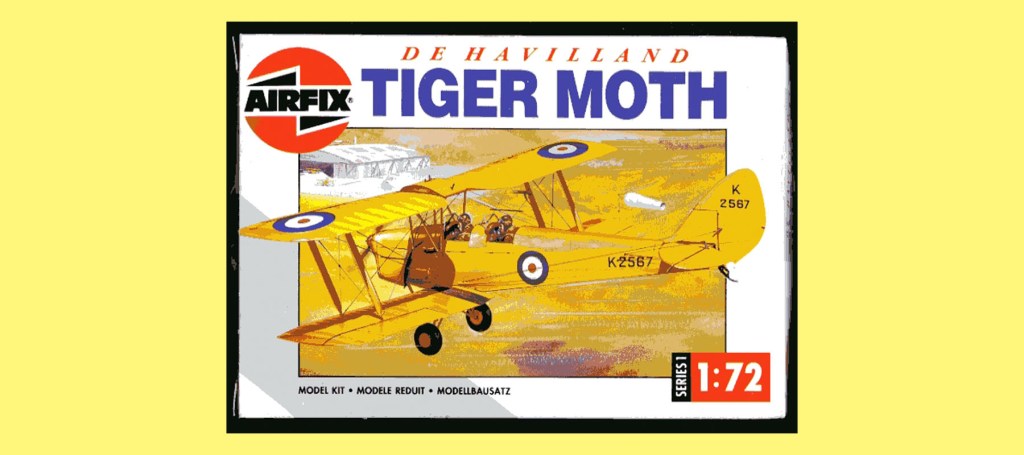
Grown old in the mould – but tarted up with a new box. This Airfix model is a 1990 re-box of a series of Moths that originally hatched in 1957. It started in a plastic baggie cocoon but eventually graduated to the small cardboard box. At least that allowed Airfix more surface area to print…
-
RCAF Hudson – Part Four – 145 (BR) Sqn
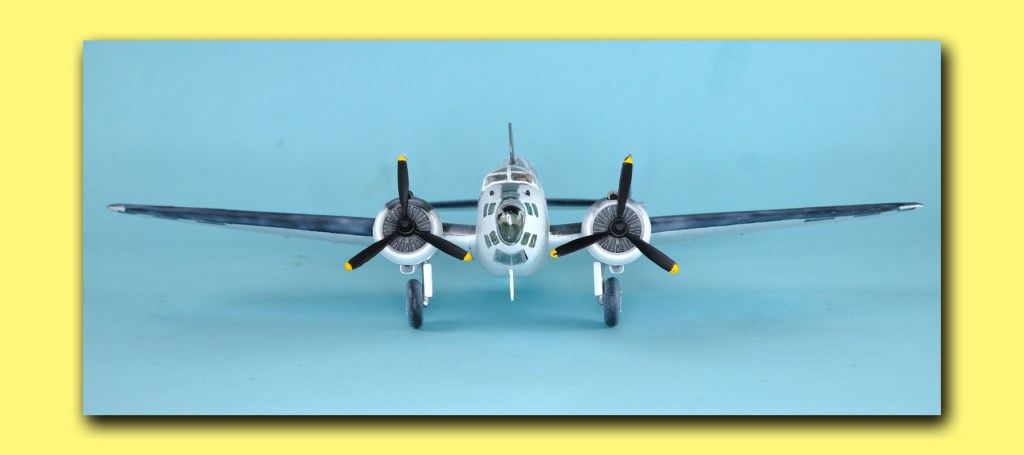
Eastern Air Command, Torbay, Newfoundland. Well, if you cannot have dedicated patrol bombers from the British Air Ministry, you buy or borrow them from the USAAF. Pressed into service for a long time, they did succeed in sinking a U-Boat and damaging several, The last few years of their service was arduous and even the…
-
RCAF Hudson – Part Three – Mother Hubbard’s Hudson
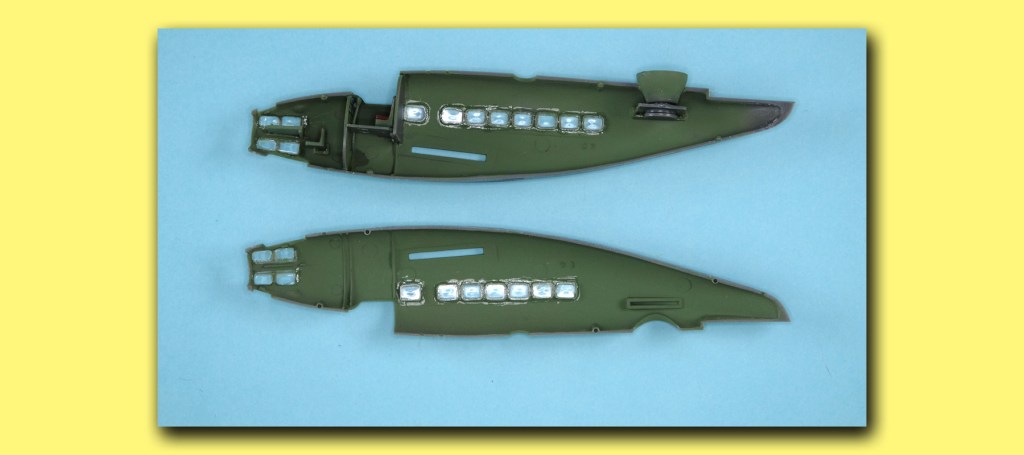
She went to the cupboard – or in this case the interior of the bomber – and it was bare… Just as well my model of the Lodestar from Special Hobby has a full passenger interior- even their Harpoon had a better cockpit. About all you can say for AIrfix is that the bulkheads fit…
-
RCAF Hudson – Part Two – I Been Airfixed Again
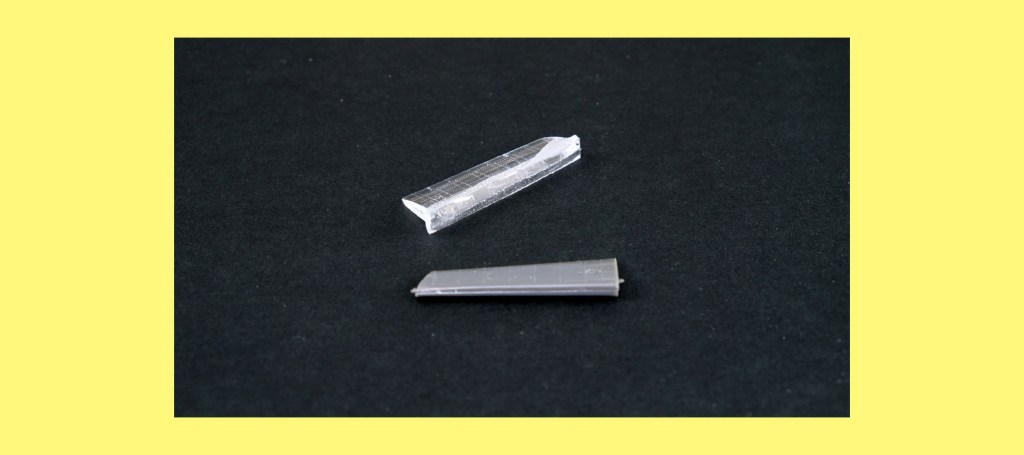
And I didn’t even know it until now… Look at Part One for the parts layout picture. Note that only one elevator panel is shown on the shot. I did not pick this up until I came to assemble the horizontal stabiliser. Airfix had dudded me again. But I don’t dud easy. I remembered what…
-
RCAF Hudson – Part One – At Long Last
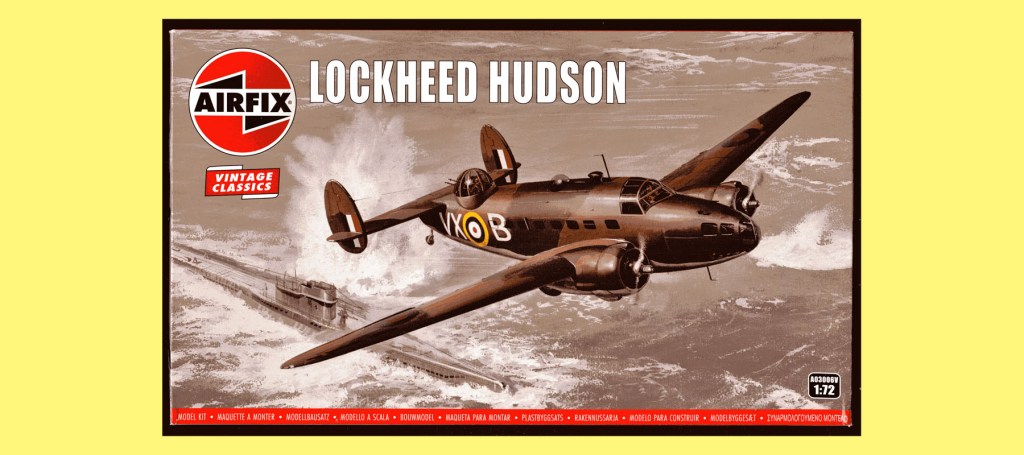
I have skirted around the Lockheed Hudson for decades. My collection includes a Lodestar, a Ventura, and a Harpoon – all fun to build and successful finishes. Yet the basic Hudson has eluded me – until Airfix decided to revive a Vintage Classic. I’ve been haunting the red-box shelves in two shops for months –…
-
Norcanair Bristol Freighter – Part Six – Manitoba
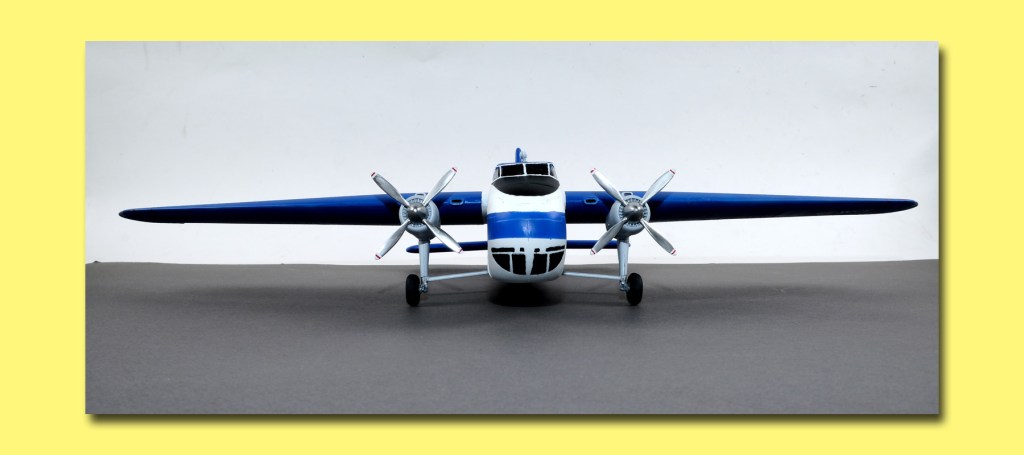
Winnipeg, actually. Remarkable place. When I was a child I spent a month there one week and I shall never forget it. The pills help, though… It is the site of the museum that houses CF-WCE – the Norcanair Bristol Freighter. Ex-RCAF, it served many years flying out of Saskatchewan to points north. Now it…
-
Norcanair Bristol Freighter – Part Five – Winging It
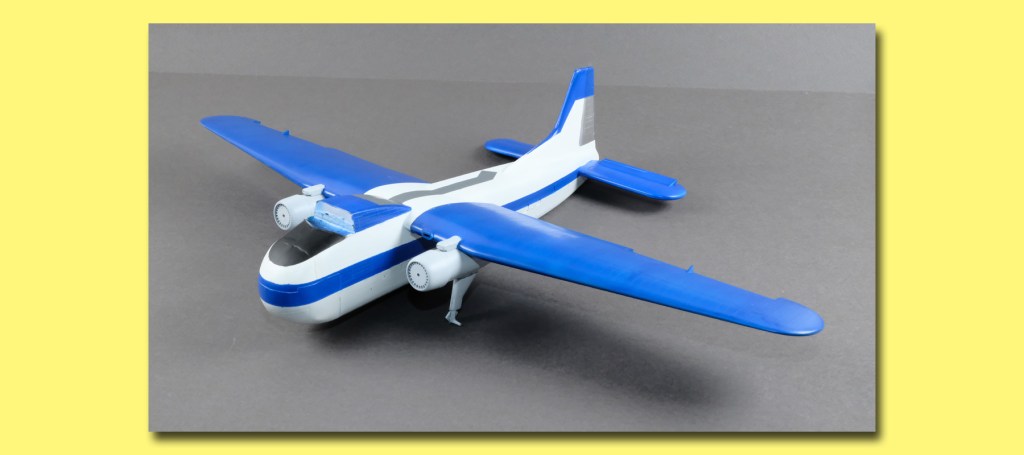
At a certain point in the build, your new airplane becomes a nuisance. Up until then, it is a manageable fuselage, some tailplanes, and a pair of wings. Or many wings, if you are making a bi or tri-plane. All the parts can be kept in the original box. When the erection stage comes around,…
-
Norcanair Bristol Freighter – Part Four – Mask, Spray…
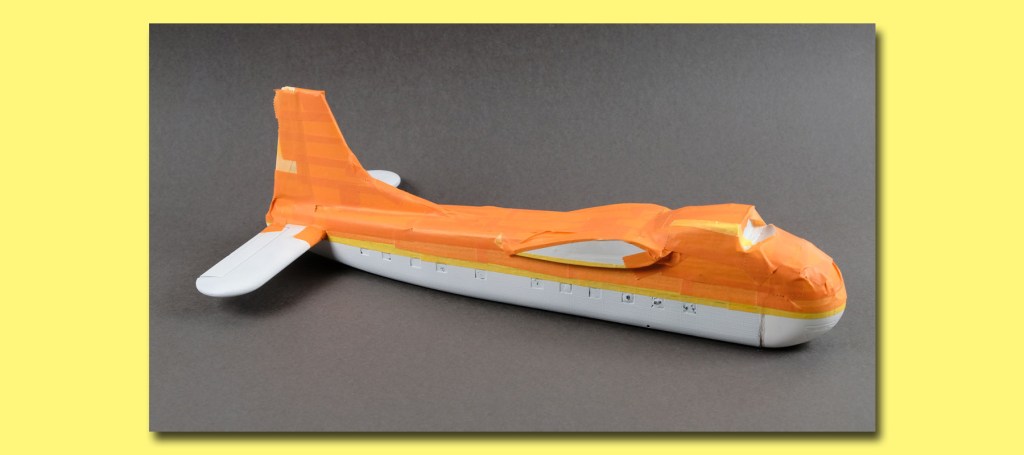
Rinse, Repeat, repeat, repeat. It’s all your own fault, you know. You chose a scheme that has more than one colour and spurned the maker’s decal sheet. You could have done it as a prototype with bare metal, a works number, and be done in time for tea. But no, you had to pick something…
-
Norcanair Bristol Freighter – Part Three – Goo-ing It
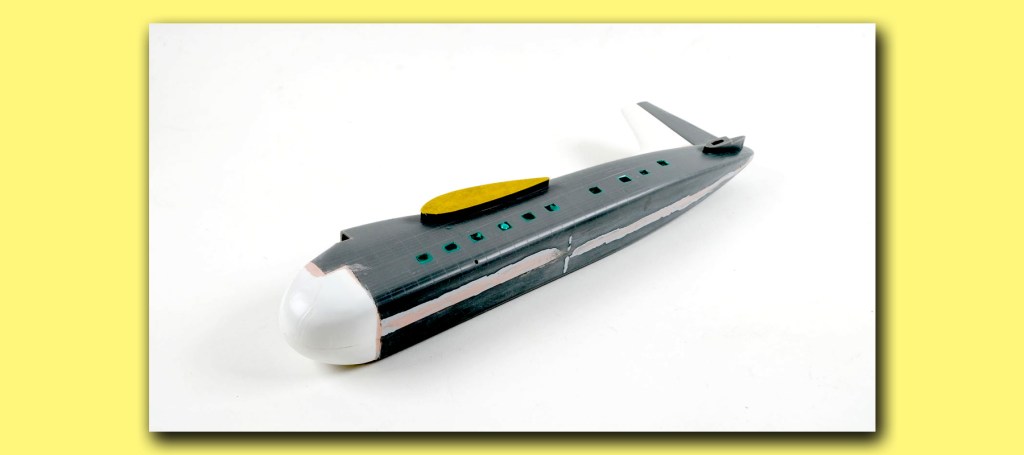
You have to wonder how we did it. I mean back in the last century when we built scale model kits and did not use putty to fill in seams. Were the kits seamless them? Were we blind? Was filling a gap considered a disreputable act? Well times have changed, and many of you have…
 The Little World