Category: Canadian aircraft
-
Fairchild Argus – Part Two – Inside
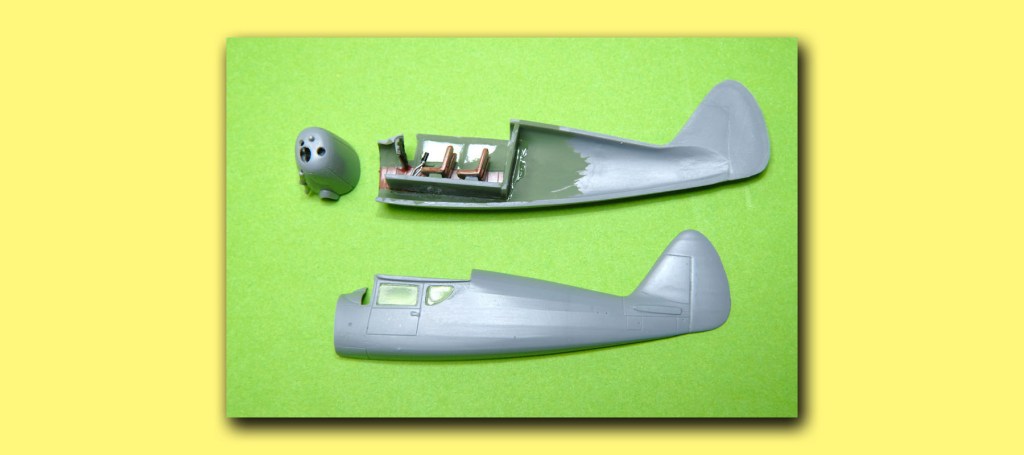
There are a number of sources of information for the completion of any cockpit: a. The instruction sheet. Good luck there… b. Internet images of service aircraft taken in the past, before colour film was widely available – good luck there again. c. Internet images of current aircraft in museums. Some photographers, like Inch High…
-
Fairchild Argus – Part One – Model 24

The box says Provider and the decals say Czechoslovakia, but I say Argus and RCAF. This AZ model started life on the Hobbytech shelf at $ 44.99 and stayed put. Then it went to WASMex 2024 at $ 20.00 and stayed put. When it came back to Hobbytech it still wore the show price sticker,…
-
Westland Lysander – Part Four – Rockcliffe, Ontario

On January 23rd, 1940. Not sure what time of day. The image that served as pattern for this model was taken at the Rockcliffe station near Ottawa on a snowy day. The tarmac is all white, though I note no skis were fitted to the Lysanders lined up for RCAF trainee pilots. Interestingly, while there…
-
Westland Lysander – Part Three – Lynx Paws
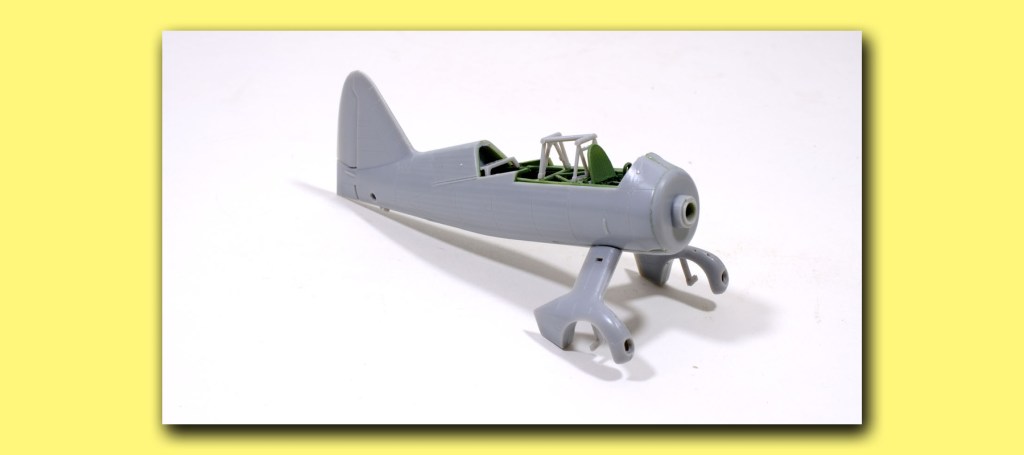
If there is one thing that defines the Westland Lysander, whether in RAF or RCAF service, it is the landing gear. Lynx paws, I call them, with enough space inside them to hold two machine guns and two landing lights. The rest of the aircraft might have the design of a cement mixer, but the…
-
Westland Lysander – Part One – 100 Times The Price

I nearly passed this Dora Wings Westland Lysander by on the hobby shop shelf. The problem was not the kitmaker – I have built a Dora Wings plane before and thought it was superb. The problem was the price – 100 times the cost of an Airfix kit I once built. But you have to…
-
Bristol Belvedere – Part Three – The Mehcopter

Cue enthusiasm…reboot…reboot. I think this is the first of the Airfix Vintage Classics that has disappointed. It is undoubtedly what it was in the original release, but like the original Blackburn Buccaneer, the Hovercraft, the Fairey Rotodyne, and the prototype Harrier, it strangely fails to please. Perhaps Airfix were precipitate in issuing something that was…
-
RCAF Wellington Mk II – Part Six – Dortmund Or Bust

Not ” or ” as it happened…” and “… This aircraft – airframe W5390 – started out from RAF Pocklington near York on the night of April 4, 1942 – heading for Dortmund. This city, close to Essen, Duisberg, and Dusseldorf was very heavily bombed…nearly all the time. Well, W5390, wearing LQ*X code and flying…
-
RCAF Wellington Mk II – Part Five – Night Black

The RAF night bomber scheme is a grim sort of design. Well I guess flying 300 miles in the dark, amongst a thousand other flying bomb dumps, and through radar-directed flak is a pretty grim business anyway. With a German Chancellor at one end and Arthur Harris at the other it seems like a murderous…
-
RCAF Wellington Mk II – Part Four – It’s No Sin To Fill

But it’s no great honour, either… I’ve no idea if Tevye built model airplanes, but if he did, he would have been philosophical about it. For my part I accept the inevitability of gaps and defects and the need for a good fill and sand. AIrfix, on the other hand seem to have decided to…
-
RCAF Wellington Mk II – Part Three – Sub-Assembly Is The Go

When you are building a model in three or four different locations, it pays to view each of these workshops as a separate shop. The real aircraft makers did this – in particular the American ones like Ford who could count on a number of plants in a general area. They assigned a particular sub-assembly…

