
Category: Colour Schemes
-
Ansaldo SVA 5 – Part One – Czech, Box, And Soviet
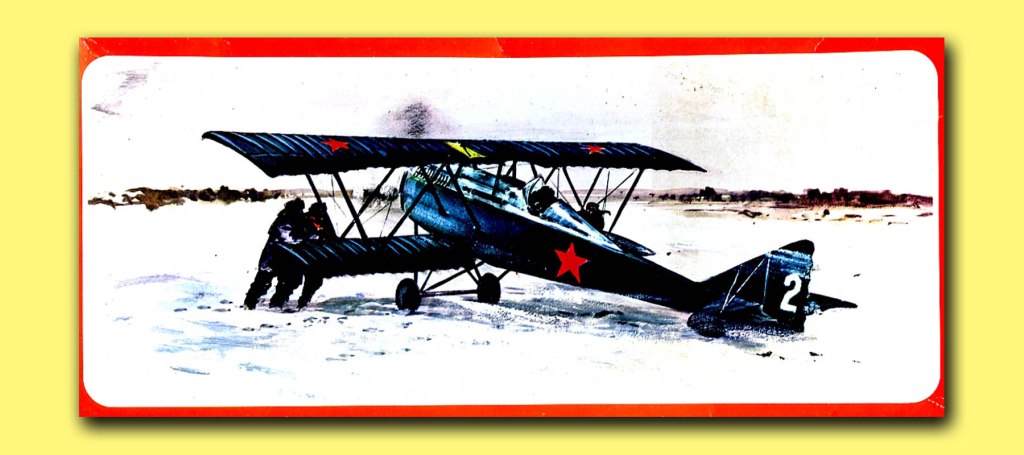
Normally a set of red flags for me. In this case a boon. This is a gift from my club – an abandoned kit that sat on the shelf in the storage room for all the years I’ve been a member. It is box scale – 1:50th. It is early Czech production, and is presented…
-
Hawker Hunter FGA 9 – Part Three – Two Day

Confused yet? Sit beside me at the club and prepare yourself… The second day work on the Hunter was paint; undercoat, masking, colour coats. The scheme has a hard delineation between lower and upper but soft lines on the top. The silver is Mr Color Duralumium thinned with new GGX rapid thinner. This is to…
-
More Fire Tankers Needed
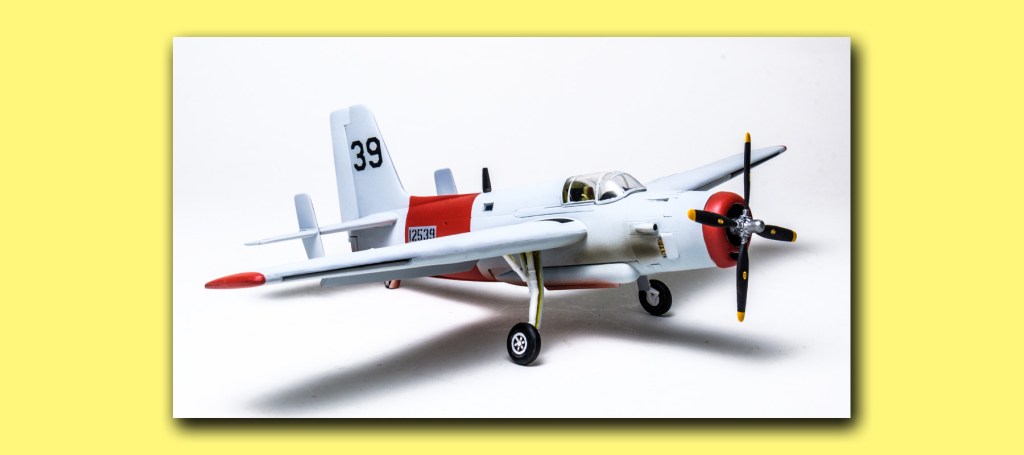
And not just in the summer months. The increasing problem of bushfires worldwide means more tanker aircraft are being used. The variety of planes that have been brought to the service is astounding. I have looked at a number of the bombers and surveillance planes I’ve built in their military configuration and realised that I…
-
Fairchild Argus – Part Two – Inside

There are a number of sources of information for the completion of any cockpit: a. The instruction sheet. Good luck there… b. Internet images of service aircraft taken in the past, before colour film was widely available – good luck there again. c. Internet images of current aircraft in museums. Some photographers, like Inch High…
-
Sikorsky H-19 – Part One – So Many Choices
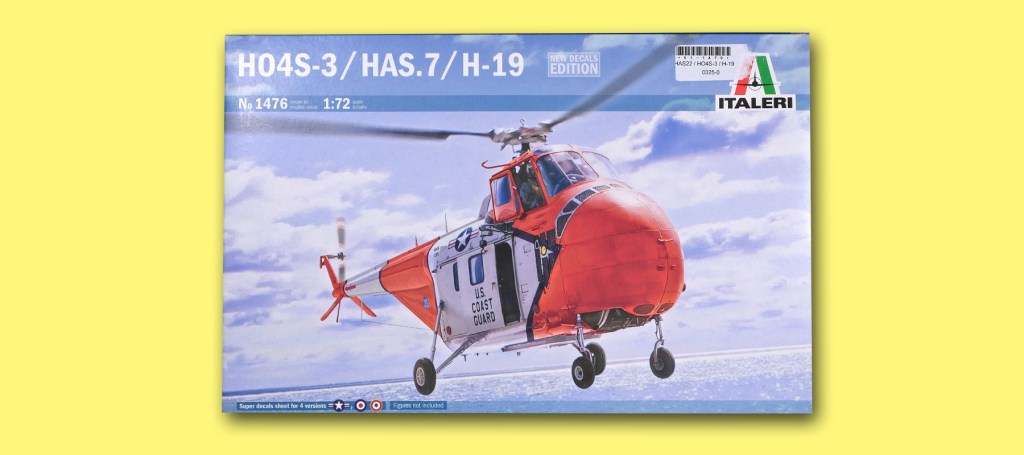
The Sikorsky S-55, or H-19 Chickasaw was a helicopter of many armies and air forces. The decal sheet of this Italeri kit provides for France, USMC, USCG, and Royal Navy. Other issues in the past supplied RCN and the USAF. Just a little googling suggests Indian Air Force, Turkey, Israel, and Chile are possible with…
-
Boeing B17G – Part Two – Doodle Bug

There are very few steps to the average 1/144 kit – and if you walk fast… You get to the end very quickly. This Academy kit was started on Saturday and finished on Wednesday. That was not a deliberate sprint – it just happened to fall together with very little filling or sanding and a…
-
Boeing B-17G – Part One – Academy
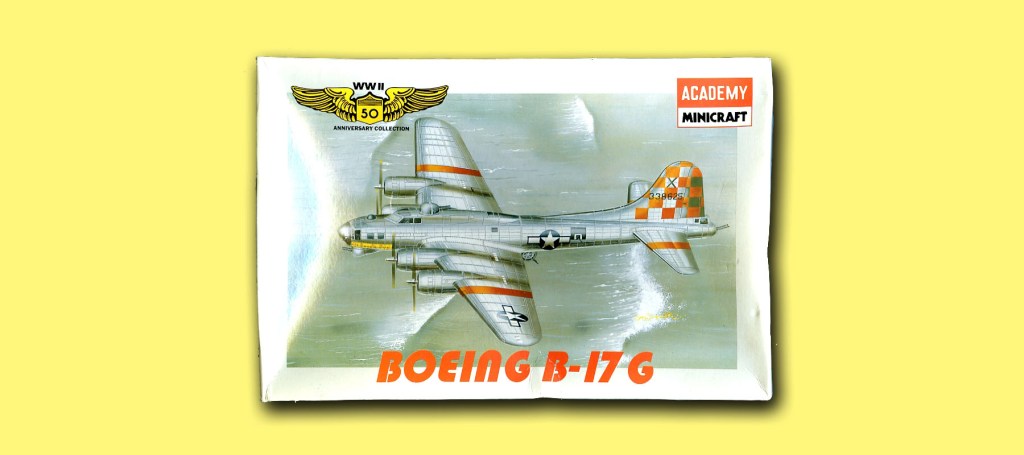
Or is that Minicraft? The box for this old B-17 lists both companies and a recent announcement from Academy in South Korea says that the assets of this older American company have been acquired by them. This box looks to be slightly old and slightly squashed and the instructions date the Academy sheet at 1992.…
-
MiG 15 Bis – Part Five – Between The Wars

Actually you have to be a lot more specific with the Middle East – which two?. Their wars arrive in succession like buses at Bull Creek railway station – one after another. This colour scheme is said to be late 60’s – somewhere in between the Sinai War and the 6-Day War. I have googled…
-
MiG 15 Bis – Part Four – Short John Silver
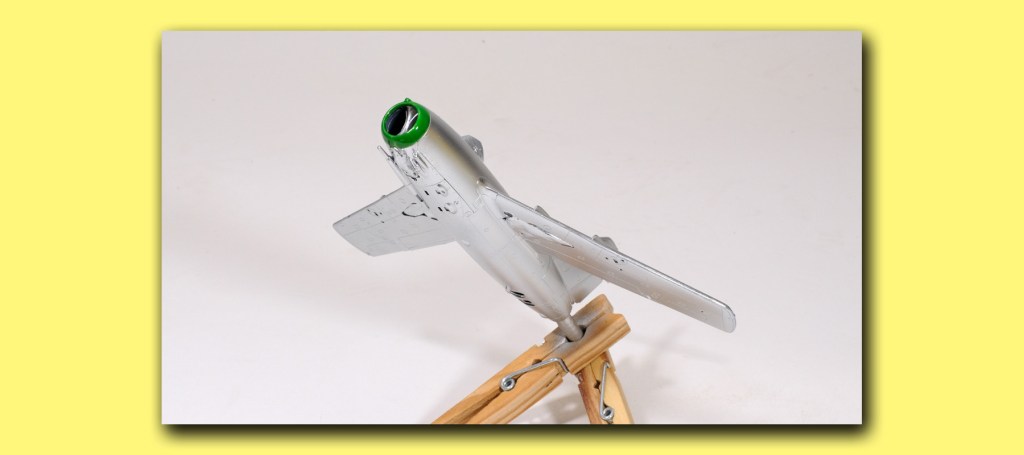
Been waiting for years to use that line… The choice of the United Arab Republic’s Air Force as the scheme for this MiG 15 Bis was driven by the need to have some counterbalance to my Israeli Air Force collection. The time selected by Eduard for their decals is the early 1960’s – after the…
 The Little World