
Category: Japanese aircraft
-
Aichi Grace – Part Three – There, But For The Grace Of Aichi…
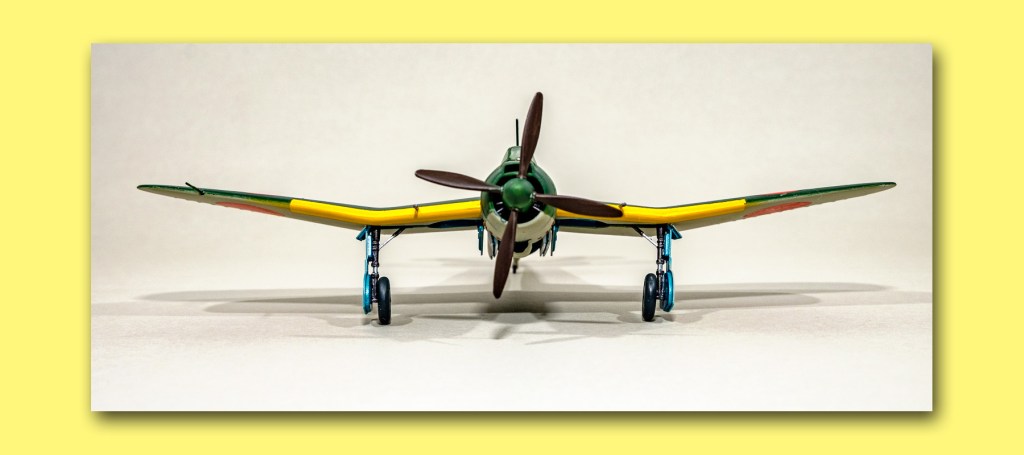
Goes a wonderful dive bomber… Pardon the punning. It has been a good week in the Little Workshop with the completion of the Fujimi Aichi Grace. The experiment of serial building seems to be paying off. The Fujimi kit has also proved to be better than some of their previous offerings – based upon the…
-
Aichi Grace – Part Two – Report On The Experiment
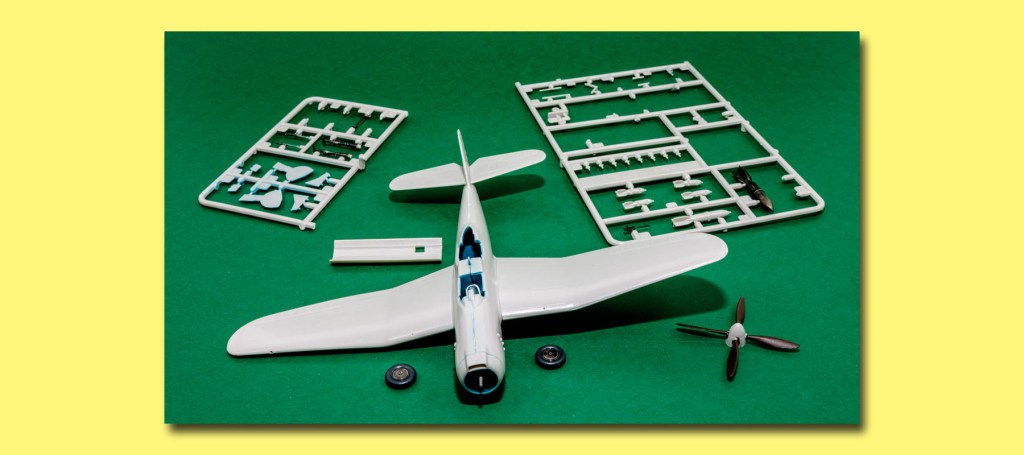
You can experiment with all sorts of things; materials, processes, ideas, and weird food. The last-named aside, the others are often a help in scale modelling. We get set in our ways and sometimes it is in Carbonite like Han Solo. We need to explore new things. For a couple of years I followed the…
-
Aichi B7A2 Grace – Part One – Plastic Baggies Have Changed…
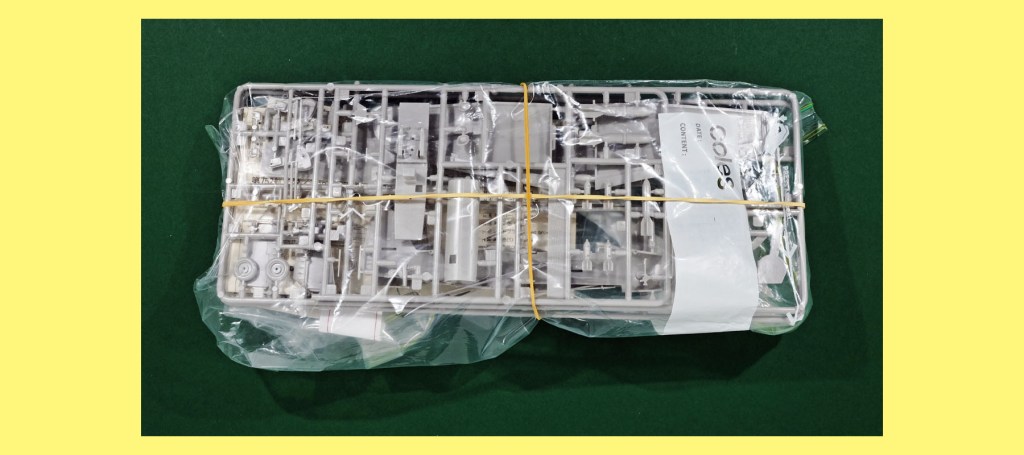
Remember the 50¢ Airfix baggie of 1959? Your whole allowance gone but you could build on it for a week. This Fujimi kit has also come to me in a plastic bag, courtesy of a stash sale, but it is considerably in advance of the ’59 kits. It’s come at the price of pint of…
-
Mitsubishi Betty – Part Three -Tour Of Inspection

Orders to Ground Crew: Rabaul 17 April, 1943 Prepare G4M1 bomber serial 323 for inspection tour by Admiral Yamamoto tomorrow. Aircraft is to be cleaned thoroughly including all windows. Make sure the defensive tail armament is in correct working order. The side positions may be left closed. As the flight will be leaving at 0600…
-
Mitsubishi Betty – Part Two – Not-So-Ghostly Seam
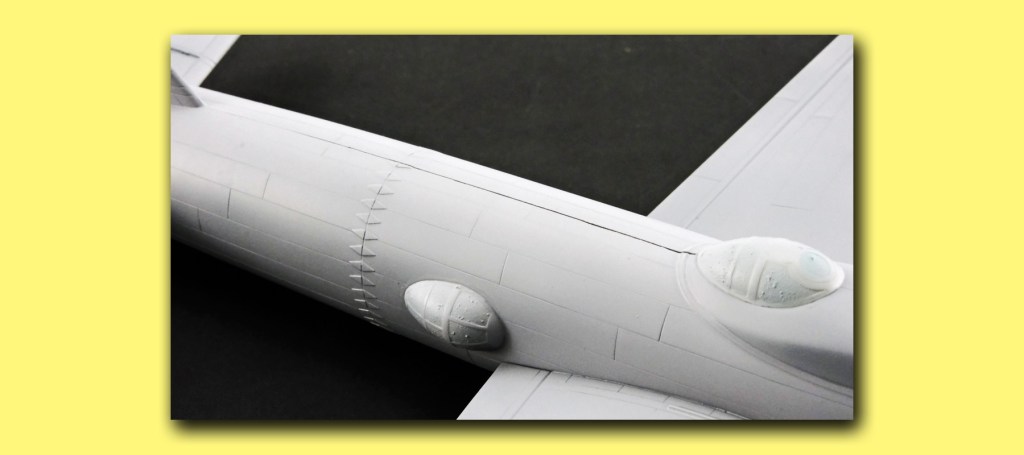
I wondered what that cracking noise was… It was the top fuselage seam giving way. I must have flexed a wing too much and surpassed the tensile strength of the thin cement used to seal the fuselage. Well that’s what undercoat painting is designed to catch – the flaw that occurs before you add a…
-
Mitsubishi Betty – Part One – Flying Cigar
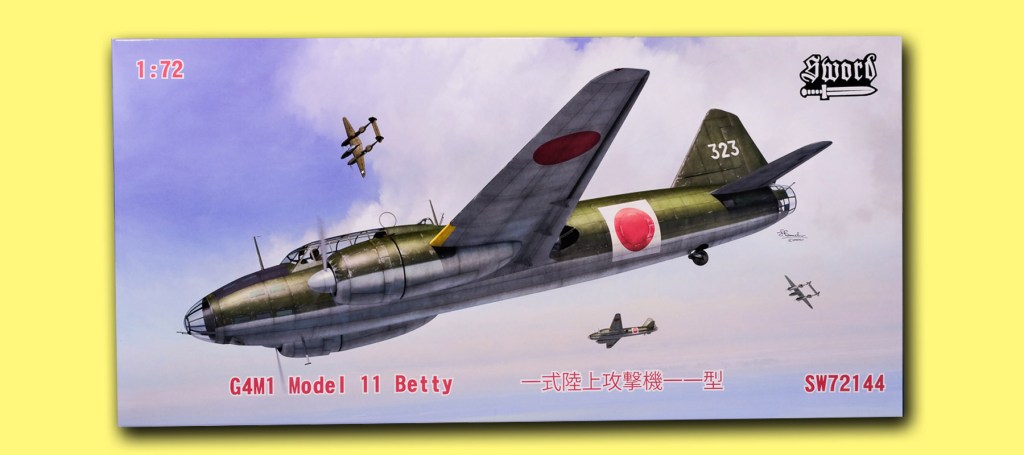
The Mitsubishi G4M bomber – the Betty – was given this nickname because of the fuselage. It featured an almost constant cylindrical shape aft of the wing roots and terminated in many models in a rounded tailpiece. This model kit contains this shape, thought he specific aircraft being modelled had the round-off removed to give…
-
Mitsubishi Babs – Part Three – An Observant Aircraft

It goes to temple every weekend… The Mitsubishi Ki-15 was possibly very useful to the Imperial Japanese Army – depending upon where it was sent and what was going on down on the ground. The aerial observation of enemy movements – whether that was Chinese or Soviet – could have guided the high command to…
-
Mitsubishi Babs – Part Two – Just When You Thought…
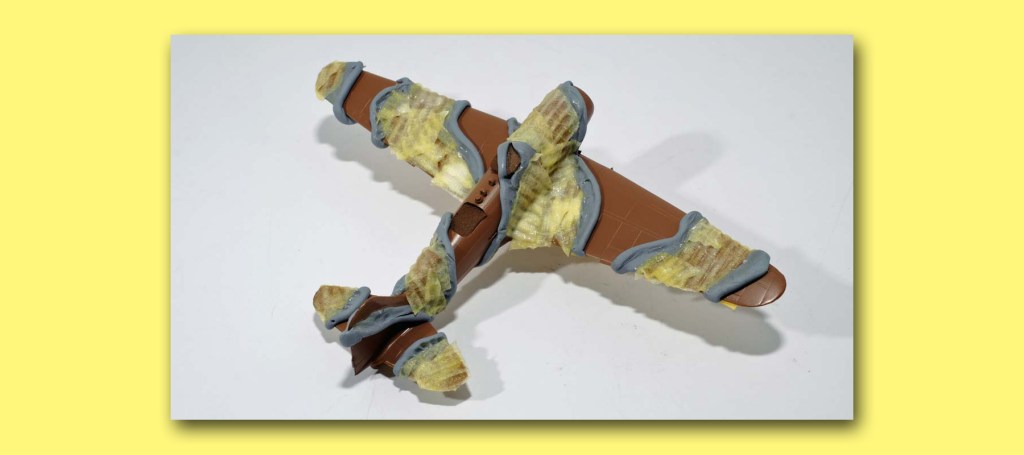
Just when you thought modelling could not become uglier…I had a good idea. The camouflage patterns for many aircraft are wavy, blobby things. You can spray them freehand or mask them, but in most cases of 1:72 planes, masking is better. I’ve tried many different ways of doing it, but settled upon the putty worms…
-
Mitsubishi Babs – Part One – The Name

I have heard it put forward that the designations we give to our land, sea and air models should conform to the original languages of the makers. Thus, this Mitsubishi product should be known as a Ki-15-I Karigane or Army Type 97 Command Reconnaissance Aircraft. Or alternately, the Wild Goose. All of which will bewilder,…
-
What Do You Call That?
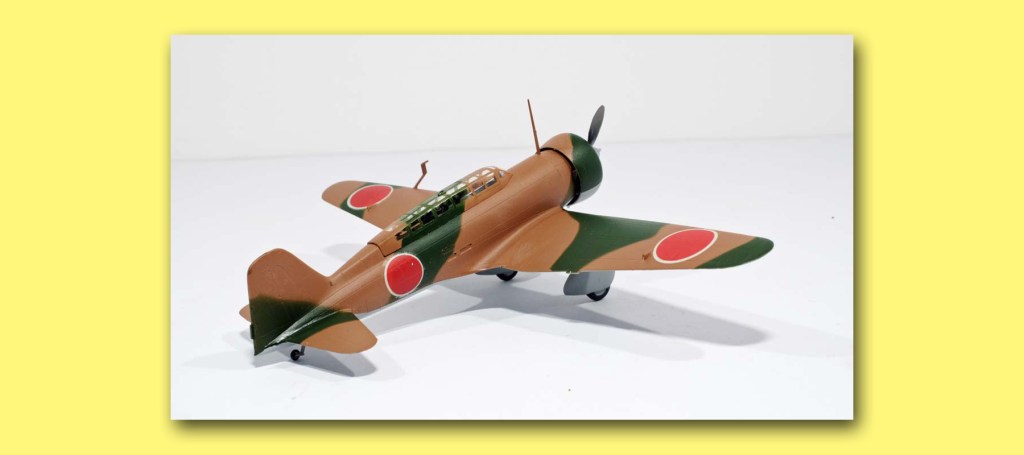
I call it finished, friend. It’s a scale model kit that I bought with my birthday money. I got all the paints I needed for it, read the instructions, and planned the paint scheme. I consulted the internet to see if it was reasonably accurate, but in the end I more or less made it…
 The Little World