
Category: Painting
-
RCAF Avro Lancaster – Part Eight – The Why And Wherefore

Finishing the Avro Lancaster in RCAF rescue colours has called up a series of questions about it as a real aircraft. I’ve no idea whether my answers are correct, but here goes anyway… a. Why did the RCAF have Lancasters? Because they were part of Bomber Command in the UK in the second world war.…
-
RCAF Lancaster – Part Seven – Hannants
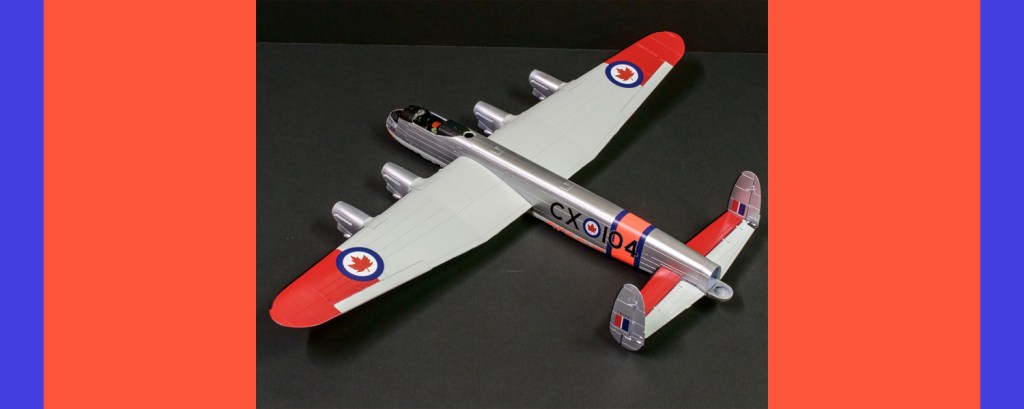
This RCAF CX 104 Lancaster is the first time I have used the Xtradecals form the British firm of Hannants. I’ve often seen them advertised but hitherto the prices of the sets has always been somewhat of a barrier to their use – by the time we get them here they can be the same…
-
RCAF Lancaster – Part Six – Wings And Tail
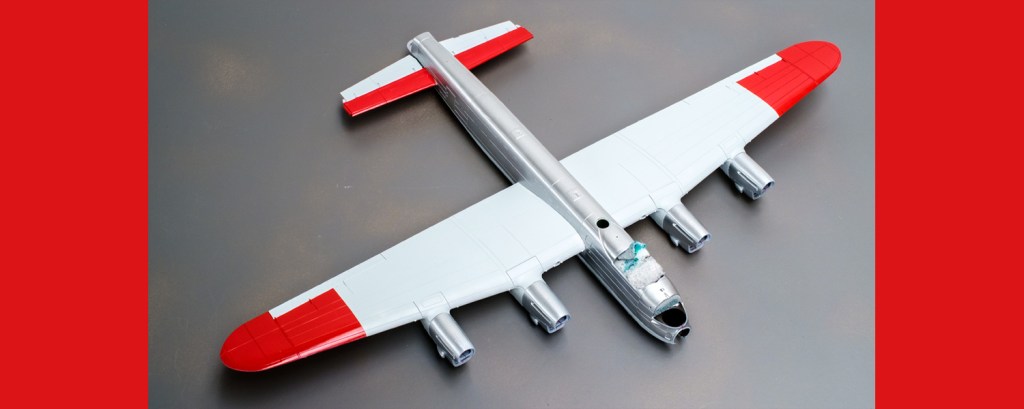
I decided to risk it with the Lanc – to attach the vertical stabilisers and rudders at the end of the painting process. This might sound dodgy but the precision with which the joins were moulded encouraged it. And it meant that the masking and painting of the flying surfaces was going to be a…
-
Savoia Marchetti S.79 Sparviero – Part Seven – Under New Management
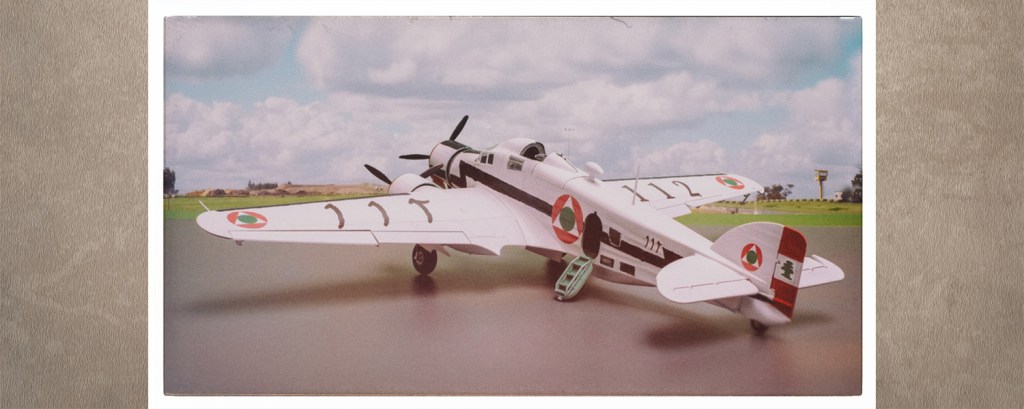
A notable milestone; my first Lebanese aircraft. All courtesy of a colour photo taken sometime during 1949 of an S.79 taxiing out to a runway past a pair of contemporary piston-engined fighter planes of the Lebanese Air Force. That, and a couple more found lurking on the net of similar aircraft in the middle East.…
-
Savoia Marchetti S.79 Sparviero – Part Six – It’s All A Whitewash
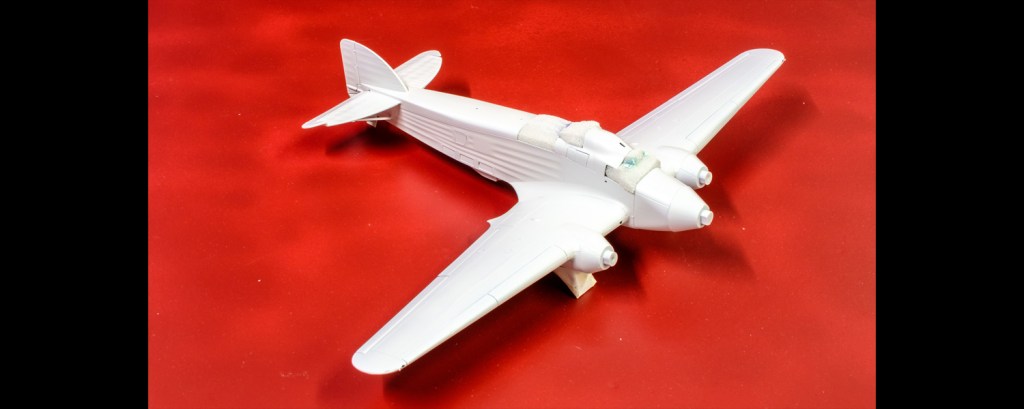
And all the better for it. Never mind whitewash in politics or on your back fence. When you whitewash a model it is a sign that you are getting somewhere. In this case it is Mr Base White 1000 diluted and blown on with a single-action airbrush. The white 1000 is about as good as…
-
Savoia Marchetti S.79 Sparviero – Part Four – The Green Of A Service Station
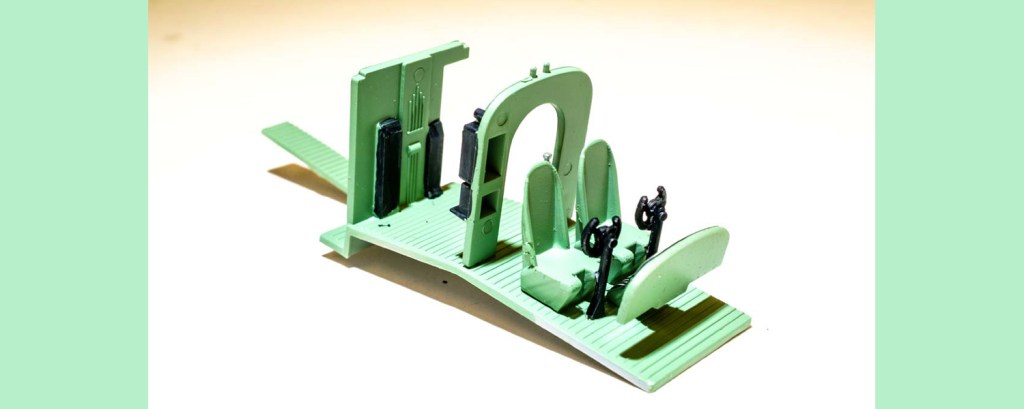
A service station on the Autostrada. At 4:35 PM on August 7th. With the door open and the smell of pasta sauce in the air. Not that watery sort of sauce – the real thick stuff. Well, you need to know what you want to do before you do it, or you’ll never know whether…
-
Sitting Out The Setting…

This is the most critical time for a modeller. The point where they display either admirable character and sensible judgement…or a complete lack of either quality. I do not invite judgement but I have bought my bus ticket out of town just in case. The coat of paint is touch-dry. Yet I know it is…
-
Dewoitine D.520 – Part Three – C’est Fini
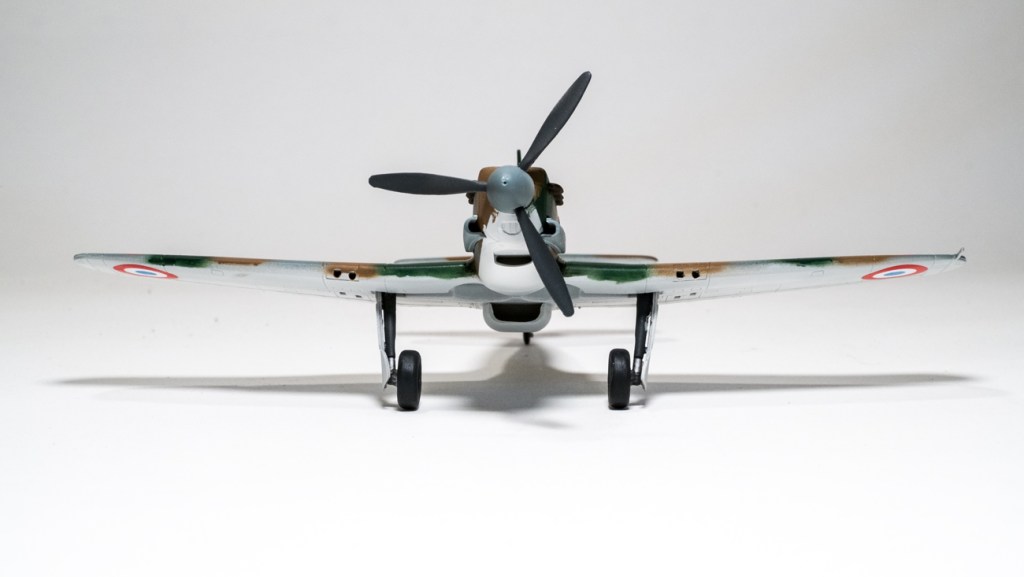
And fini’d very well, I might add. The usual number of minor errors and hidden mistakes, but then that is par for the course. The D.520 paint job is not perfect – I was trying the freehand spray technique with the pressure on the airbrush turned down to 8 psi and a very thin mixture.…
-
Dewoitine D.520 – Part Two – C’est l’Avalanche

One cannot do a Hobby Boss kit slowly – the very nature of the simple moulding does not lend itself to the dawdler. You either do it in normal speed and accept that you will progress rapidly or lapse into ennui. That is my philosophical explanation for the Dewoitine on a stick that you see…
-
Mitsubishi Dinah – Part Three – Standing Room Only…

The Mitsubishi Type 100 – the Dinah – was delivered to the Japanese Army Air Force in several versions – bomber, reconnaissance plane, trainer, etc. and there were several configurations of nose and canopy. The thin nose and multi-step greenhouse is characteristic of the training aircraft – probably to allow and instructor to oversee the…
 The Little World