
Category: 1:72 scale
-
When The World Gives You Lemons

Make a lemon meringue pie. SImple. This meme business is getting tame… When the world gives you MDF board, Foamcore sheets, and old pieces of matt board you have more of a challenge. The thing to realise about it is that the ingredients essentially cost pennies and anything you do with them raises the value…
-
Oh Sheet, It’s the Instructions…

I am fairly bright for a dim person. I can play Scrabble and do connect-the-dots puzzles. I have, on occasion, found Wally. But I struggle with the instruction sheets for the model airplane kits. It was not always thus…in the 1950’s and 60’s the instruction sheets for the kits seemed to be a lot easier…
-
The Aftermarket Kit
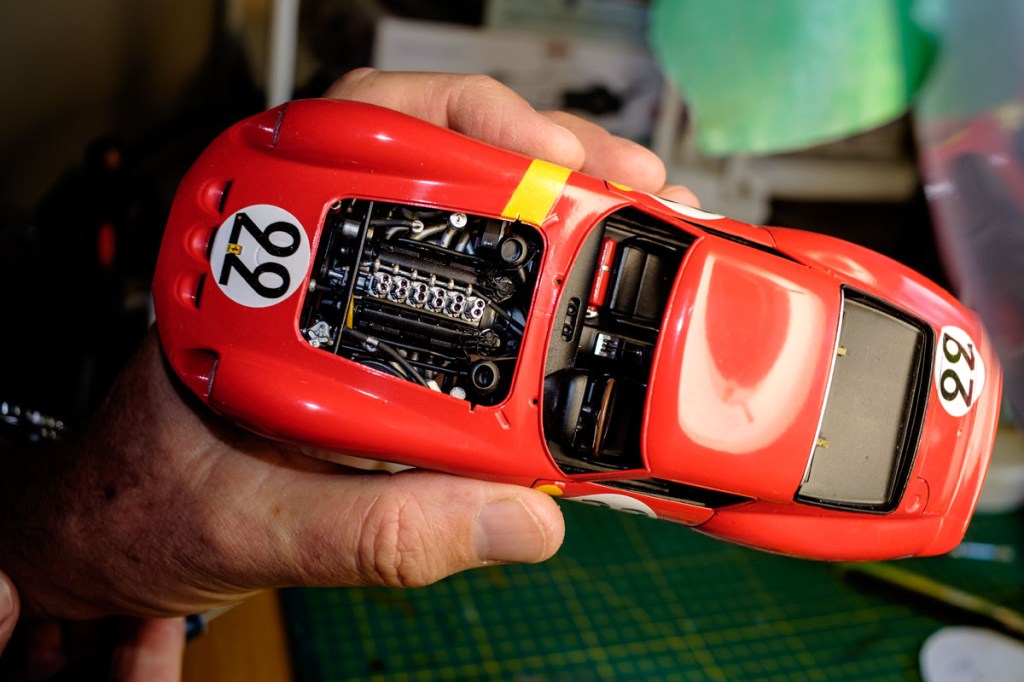
Or how to spend money with both barrels. I have now started to take a scale modelling magazine each month at the local newsagency. This is great, because I was starting to lose faith in the publishing industry there for a while. I would run the racks and find nothing that could hold enough interest…
-
Supermarine Spitfire Mk XIX – Part Three – A Spiffing Spitty

There really should not be any basic problem with an Airfix kit – even the historic ones with their rivets and misshapen crew members are moulded to eventually yield a representation of whatever is on the front of the box. If you are diligent you can end up with just this. It may have some…
-
Supermarine Spitfire Mk XIX – Part Two – ” Well! Excuse Me! “
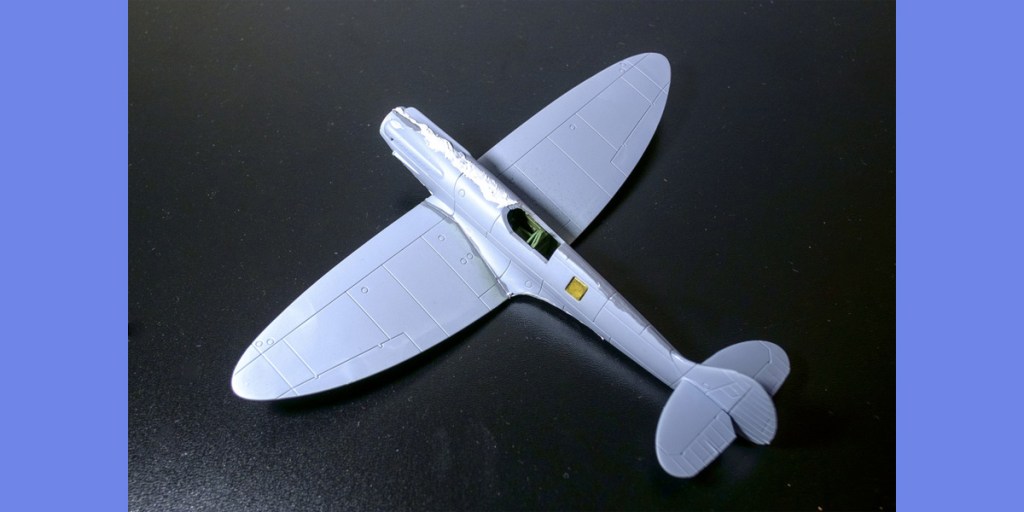
Oops! Sorry, madam. I have intruded upon you while you are in a state of composition. One might take pictures of a lady in a state of undress, but one should never do so when she only has half her make-up on. I seem to have caught the new PRU spitfire with putty in her…
-
Supermarine Spitfire Mk XIX – Part One – So Why This One?
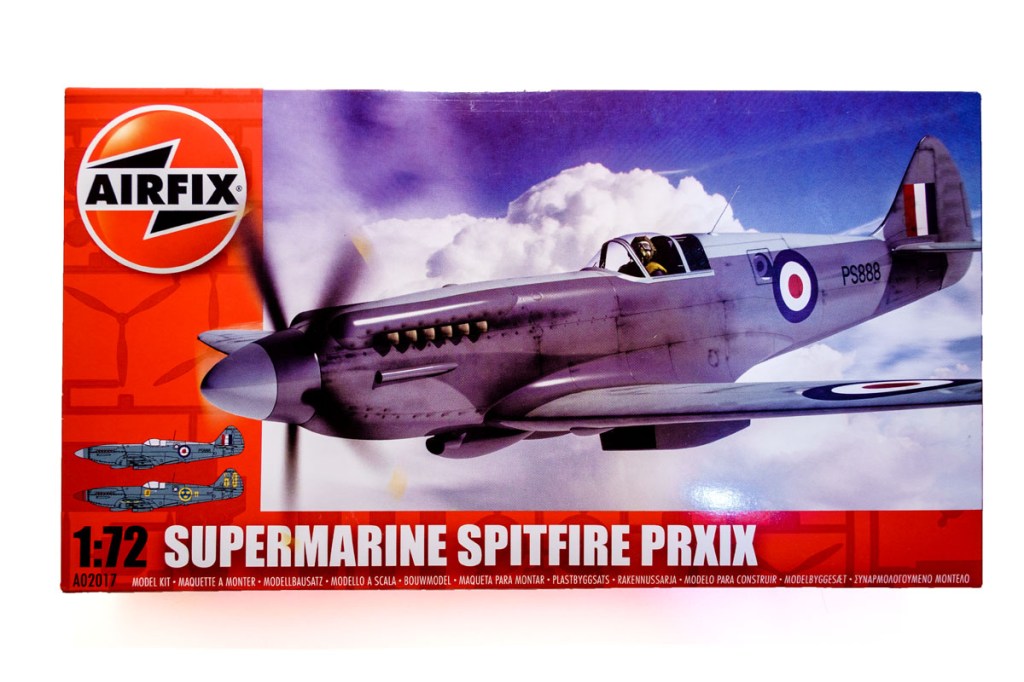
For that matter, why any of them? What’s the factor that impels us to choose one particular plastic model over all the others there in the hobby shop – impels us strongly enough to get us to spend money buying it, and time researching and building it? I think it can be many things: a.…
-
Well, I’m Alright…But What About You?

And the topic with which I treat today is the business of after – not before or during. Specifically, what are you going to do with the models that you build? I’m okay. I spent up on Billy bookcases from IKEA when they were cheap and I wasn’t and have enough space for my 1:18th…
-
Chance Vought Corsair – Part Three – We Have Liftoff
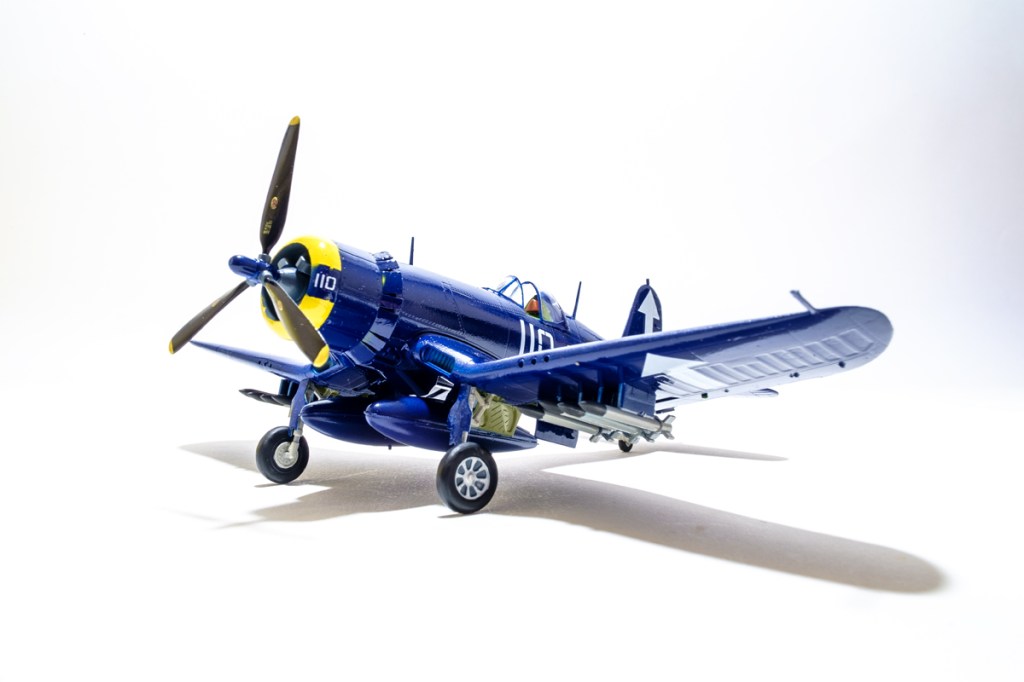
I am pleased to report that I have gotten my mojo back. The Hobby Boss F4U-1 is complete and on the tarmac at Wet Dog Regional beside her sister craft – The F4U-1 pre-built model from the same maker. Think I have done as decent a job as the makers themselves, and have certainly restored…
-
Chance Vought Corsair – Part Two – New Model Just Release!
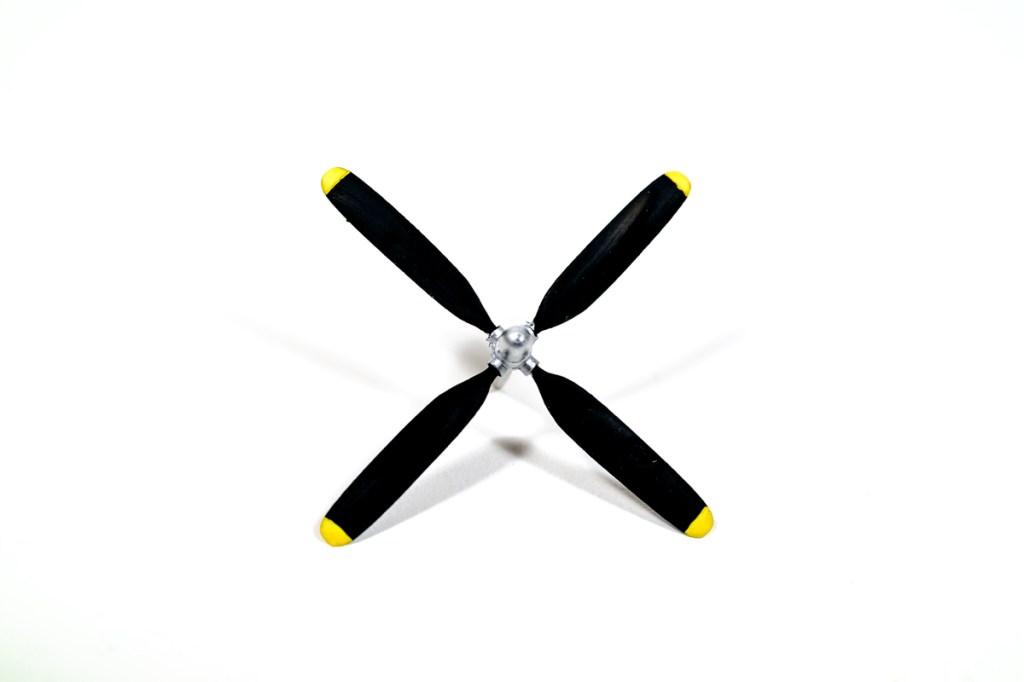
You buy now. We ruv you rong time. Someone told me I was getting cynical in my old age. I have my high school yearbook and the entry with my photo says I have an ironic wit. I am not an old cynic – I was a smart arse in 1966. All this because I…
-
Chance Vought Corsair – Part One – Familiar Territory
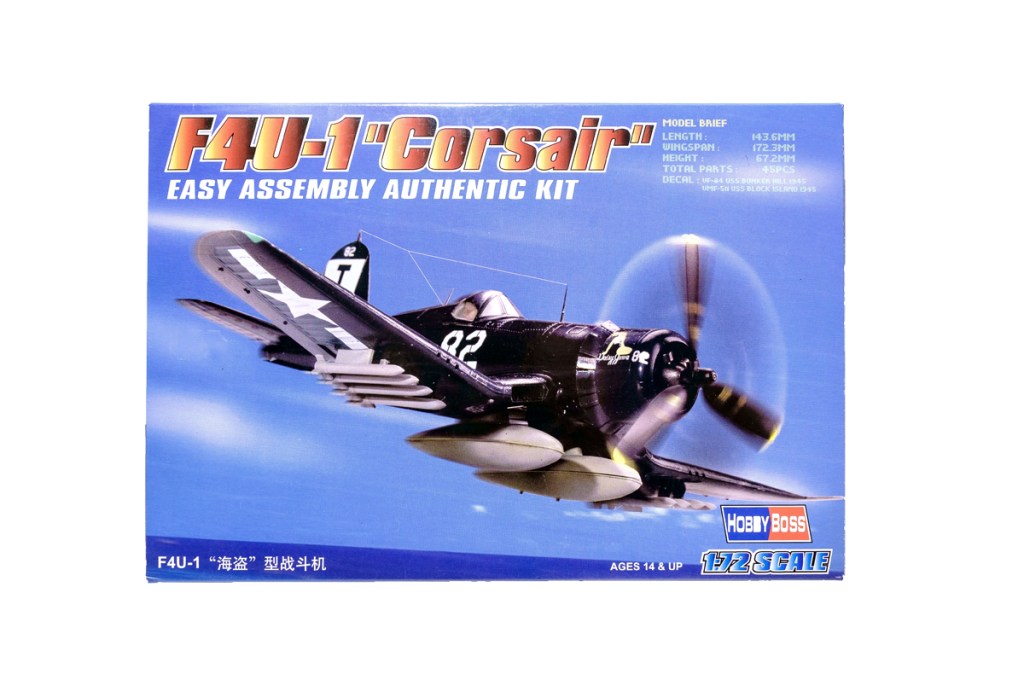
As you’ll have seen from my earlier postings, this kit build is a confidence-building exercise occasioned by a recent failure. It is the second Corsair to get on the deck but this time it will fly. The Hobby Boss presentation is familiar – a clear plastic tray that corrals all the sprues and parts. I…
 The Little World