
Category: British aircraft
-
Lockheed Ventura – Part One – Stash Mistake
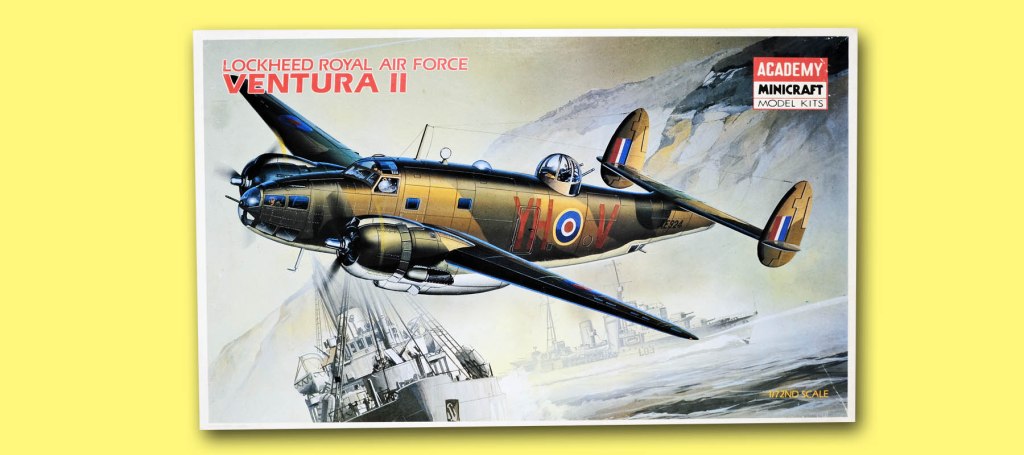
At recent scale model exhibition – the 2024 WASMex show – I rushed out to the stash sale tables as soon as the doors were open. I am always concentrating on 1:72 aircraft so I can spot the boxes on the tables quickly. In the case of this model I saw it snuggled down in…
-
” Model Not Recommended For Novices “
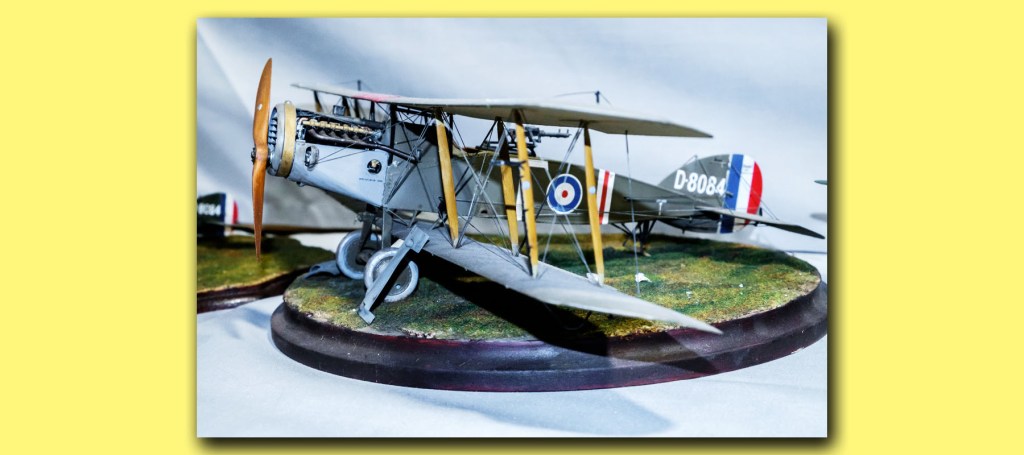
I have seen this on reviews and appended to the end of kit boxes. It warns the unwary that the designers have exceeded their dosage again and moulded up something that is near-on impossible to build. It is even more poignant when it appears next to a completed model – making you wonder if somewhere…
-
De Havilland 60 G – Part One – Too Long On The Shelf

Actually, too long on several shelves… This model was purchased at my favourite local hobby shop to rescue it from obscurity on the back shelf. It had lain there – along with a number of obscure Soviet experimental and propaganda ships – for as long as I had been going to the place. Finally they…
-
Historical Friends

I hope that’s right – I tried ” Hysterical Friends ” and the auto-correct passed that as well… One of the groups I belong to is called ” Historical Modelling Friends “. We meet either at the Cambridge Public Library in Floreat or at my studio in Willetton. The sessions are always modelling afternoons –…
-
Do You Advance?
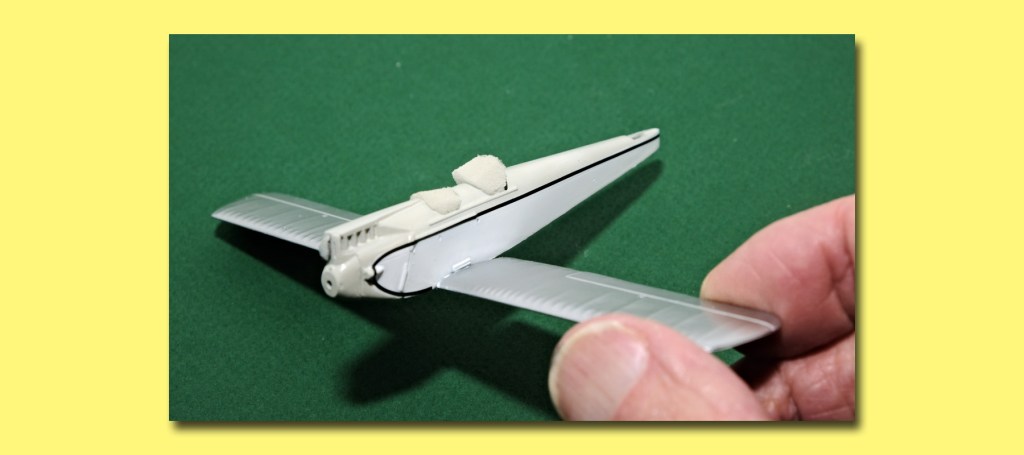
Is each build making you a better modeller? It can, if you let it. If you learn one new technique, or have one new disaster, or accomplish one new task each time you complete a kit, you are on the road to success. Hopefully, you will not reach it – else what’s a Heaven for?…
-
Fairey Battle Mk I – Part Four – Broken On The Wheel
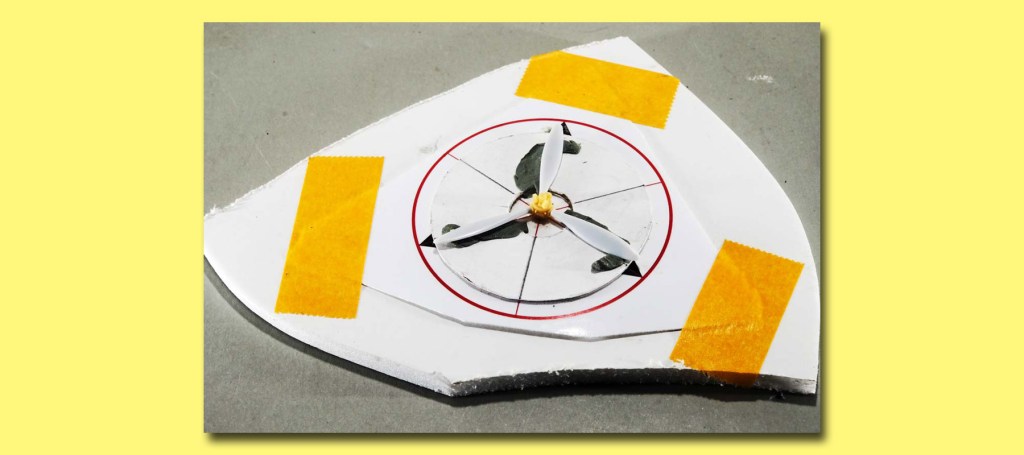
In Prague they have a tradition of throwing difficult people out of third-story windows. Look it up. I can certainly agree with this when it comes to scale model designers who decide to make a resin hub and separate injected plastic blades for a propeller. I should be happy to set punji stakes or hungry…
-
Fairey Battle Mk I – Part Two – The Paradox
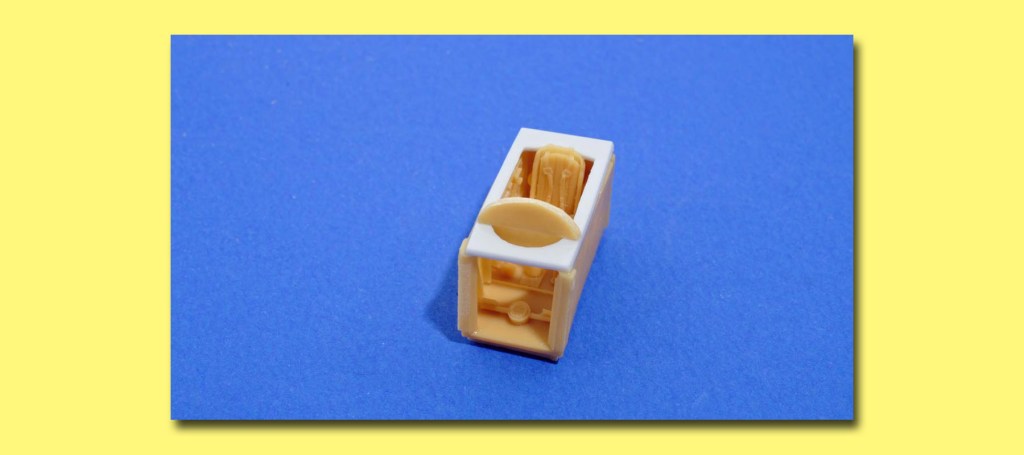
How can a short-run moulder be so good at making injected parts… And then make so many bad resin ones; detailed resin panels that are meant to fit precisely. ” Meant ” is a curiously elastic word. I have been making two cockpit tubs from this Czech kit – they involve sides, back and top…
-
Fairey Battle Mk I – Part One – At Long Last

Knowing that the Fairey Battle was used by the BCATP in the 1940’s meant that I was always burning to find one. Well, the coal fire went out at the Airfix works a long time ago, and nothing was seen here until an advertisement for a new Czech mould appeared earlier in the year. This…
-
Airspeed Oxford – Part Two – Pink Dot Special

You’ll note the pink dots on the wings and fuselage of the Airspeed Oxford – these are the lesions of Moulder’s Pox. It was a disease that afflicted scale models in the 1950’s and 60’s. It was caused by styrene mixtures that tended to shrink. This was exacerbated by pulling the sprue tree from the…
-
English Electric Lightning – Part Four – The Cold Warrior
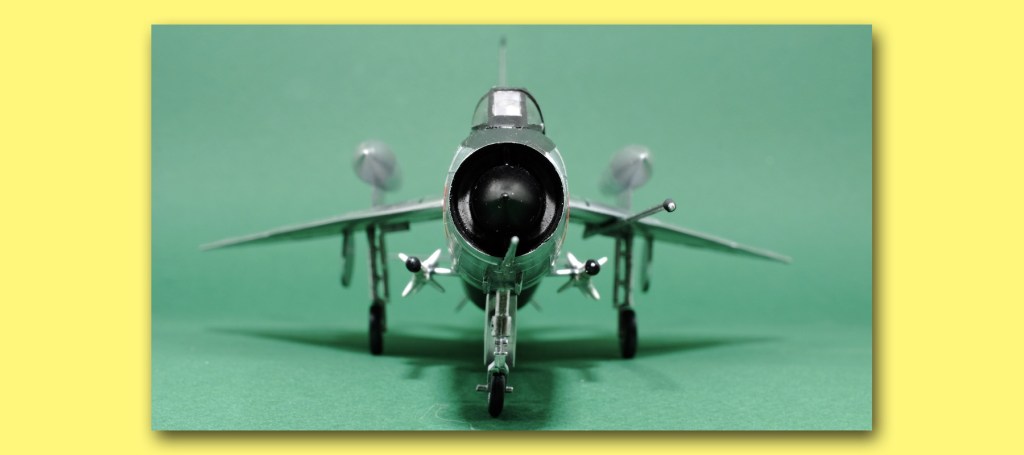
The English Electric company made several notable aircraft in the 50’s and 60’s. This interceptor was designed to tackle Soviet bombers before they could get to the UK – hence the high speed climb and short range of the prototypes. The over-wing tanks were a novel way to supply enough fuel to permit this remarkable…
 The Little World