
Category: subassembly
-
Lockheed S-3A Viking – Part Two – Cut And Glue
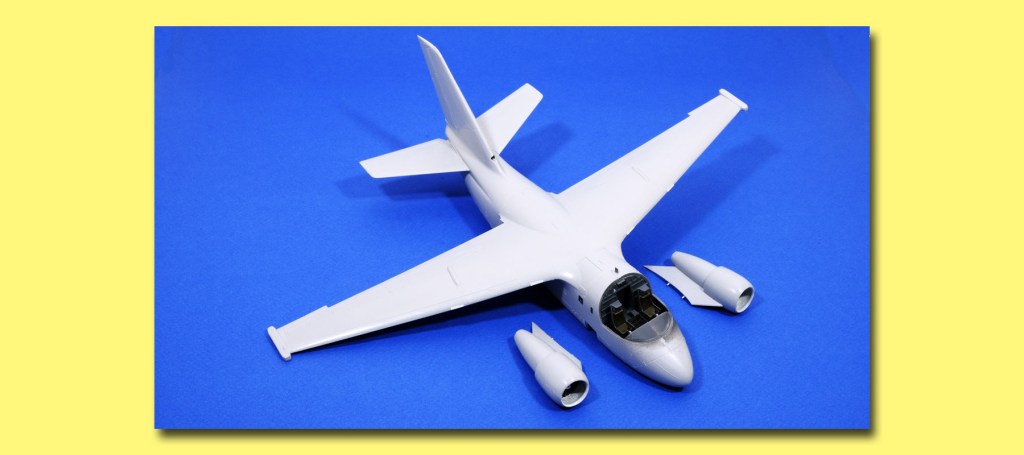
And really – that is all there was to it for the day. Some jobs are too hard and some too easy. The Hasegawa Viking fell into the space between these two extremes, and I am not complaining one little bit. When surfaces fit without fettling, when there is enough space for the nose weight,…
-
A Model Philosopher’s Stone
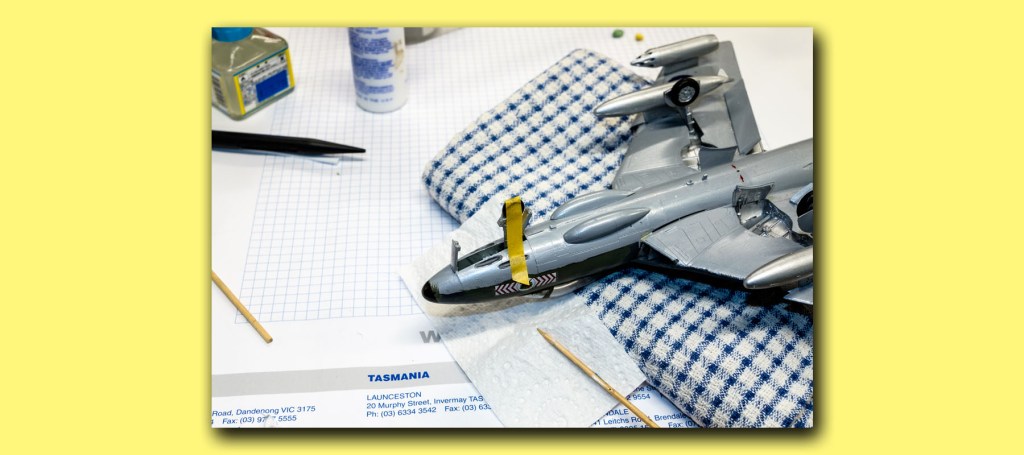
Alchemy in scale. The old concept of the Philosopher’s Stone that would transmute lead into gold never quite got off the ground – both substances defying the power of 18th century aero engines to achieve lift. Even when modern jets and rockets were strapped to freight cars full of lead and the vehicles sent down…
-
Westland Lysander – Part Three – Lynx Paws
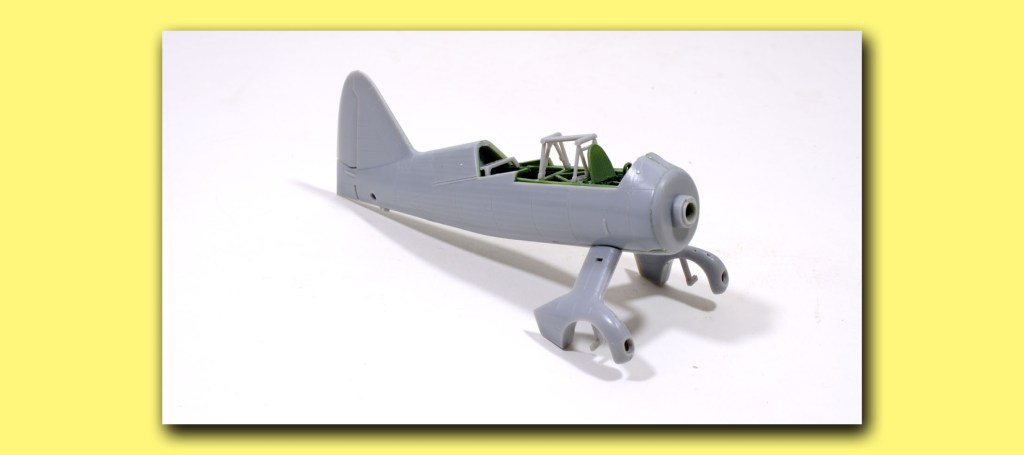
If there is one thing that defines the Westland Lysander, whether in RAF or RCAF service, it is the landing gear. Lynx paws, I call them, with enough space inside them to hold two machine guns and two landing lights. The rest of the aircraft might have the design of a cement mixer, but the…
-
Westland Lysander – Part Two – Fragile Nest
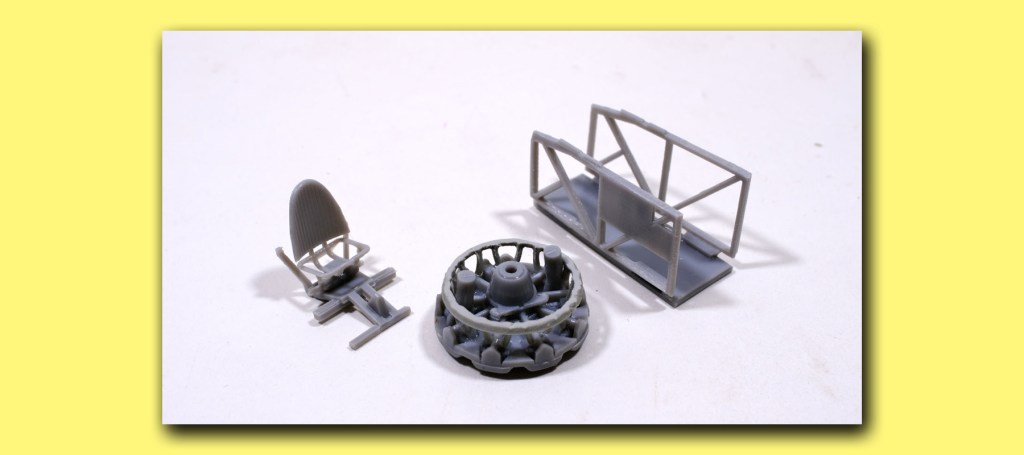
I was right to wonder about the fragility of the cockpit on this Dora Wings kit. Even at the outset, some parts did not come off the sprue trees intact. Fortunately there are pieces of Evergreen plastic in the scrap box that match the profile of the broken pieces. The fact that the greenhouse is…
-
Tupolev SB2 – Part Three -Guessing Game
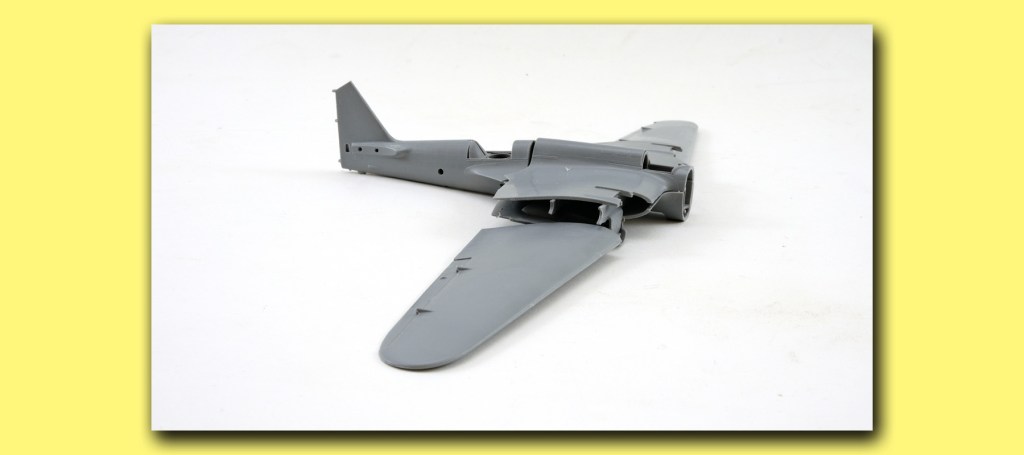
Meetings in the design bureau of a scale model company must be interesting to attend. Are there knives? Do people disappear? Do they call in dancing girls and order pizza? I ask because some of the decisions that come from these meetings seem to be motivated by strange desires. Who would have split the fuselage…
-
Grumman Hawkeye – Part Two – Filling And Filing
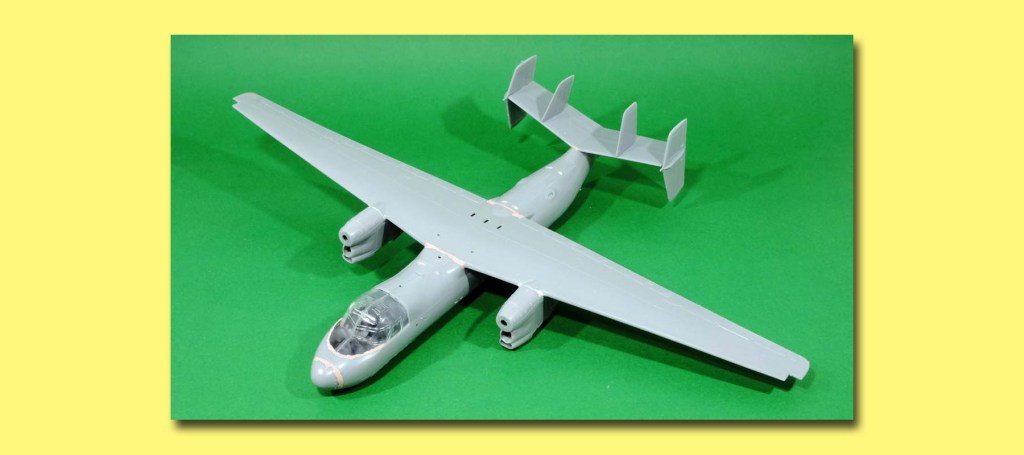
And not just in one stage, either. When you take on an older kit, you accept the limitations of the art at the time that it was made. You can build it with the skills of that time or with modern ones. Either way is a sort of compromise. Here we have a combination of…
-
Once You’ve Done The Worst Of The Kit
You need not fear the rest of the kit. My club-mate Michael Marchant showed me the tank tracks he was working on – they were from one of those Czech productions that have multiple parts per link, and multiple links per track, and no fun anywhere. I sympathised with him but left before any of…
-
Martin Canberra – Part Two – Dry Fit Champ
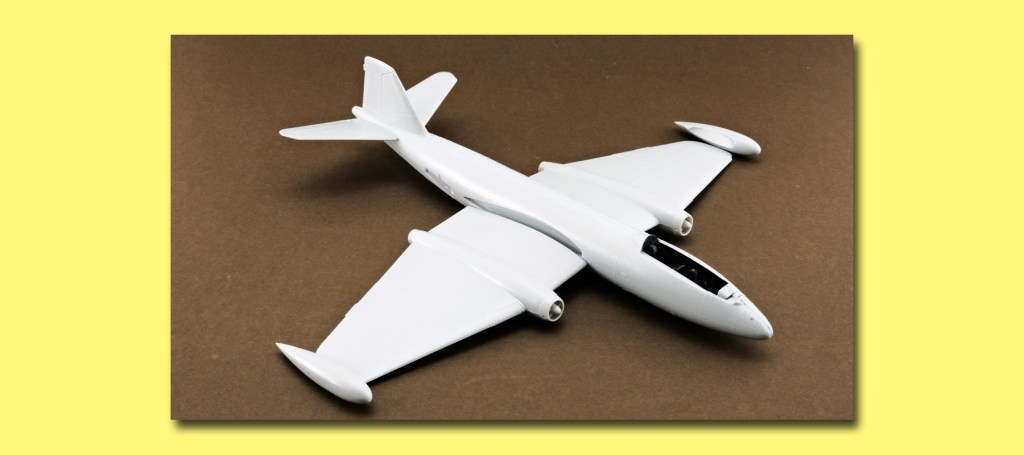
As soon as the cockpit tub went in – along with the 3/4 of a musket ball – I knew I was on a winner. A fuselage cementation stage can be heaven or hell, depending on whether the moulders have proportioned the cockpit tub or platform to the actual inside of the shell. Many Czech…
-
Čmelák – Part Two – Nothing Agricultural

Nothing crude about Eduard scale model kits. At least if this little crop duster is anything to go by. The mouldings on the sprue trees are superb. In fact I would rate them as highly as some people rate Tamiya offerings in the same scale. For a person who built some of the very early…
-
Bristol Belvedere – Part Two – How Right They Were

This kit has all the appeal of a Revell re-box. The two halves of the fuselage may have been pulled out of the mould while still hot and allowed to cool on a window sill. The result is a progressive rolling distortion that will never allow the parts to join in one cementation I decided…
 The Little World