Category: Ruritanian Aircraft
-
Heinkel He-70 F2 – Part Five – The Paint Shop
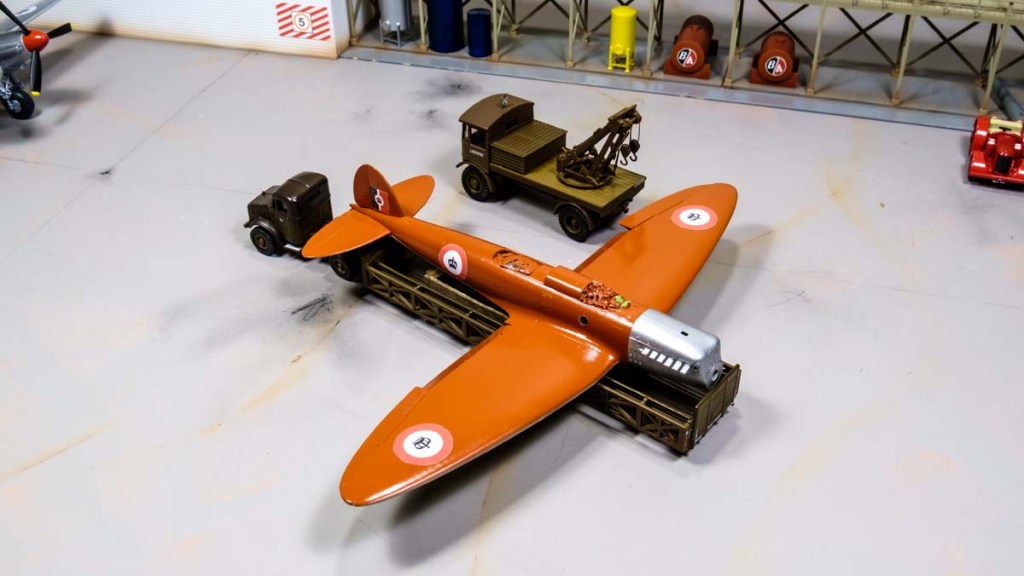
Ruritanians are, on the whole, a conservative people. They rarely throw over old forms or designs just to revel in novelty. The motto ” Neuheit Ist Scheit ” is ingrained in them. Thus they hold to traditional colour schemes for most of the aircraft in the RRAAF. In some cases this tradition has been the…
-
Heinkel He-70 F2 – Part Four – Respec’
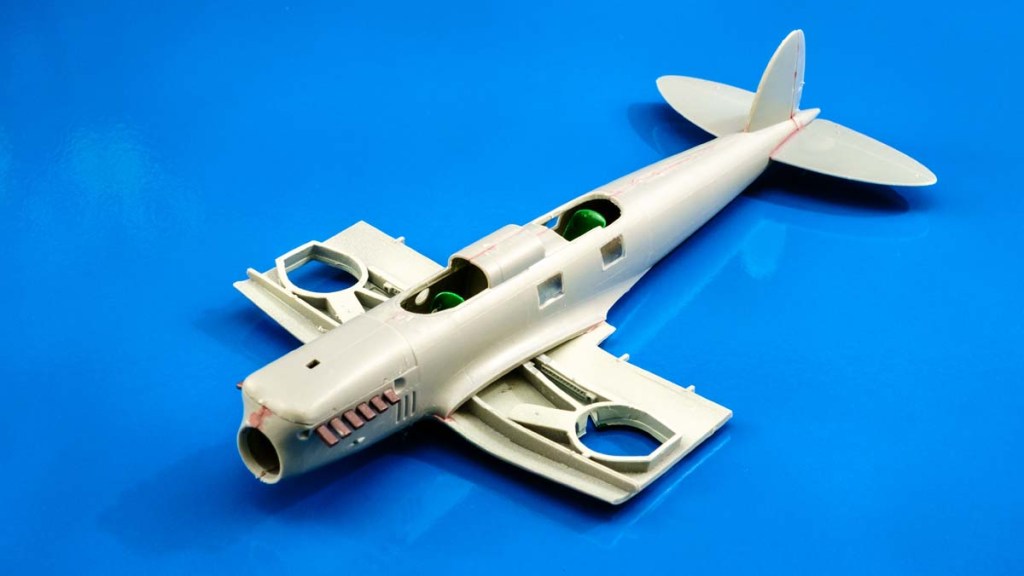
I have gained a massive amount of respect for the ICM model making firm – the one who originated the mould for this Revell kit. The fit of the first components is quite superb. Not as definite as Tamiya, but precise enough to allow some serious structure to be built. The actual cockpit of the…
-
Heinkel He 70 F-2 – Part Three – Dryfit

Dryfit is not just the brand name of a battery. It is the essential part of nearly all model kit making. It was one of the chief pleasures I had as a kid with the kits. When you dry fit a model you get to play with it far longer than just gluing it together.…
-
Heinkel He70 F-2 – Part Two – Methinks I Doth Smell A Ratte

And it may be a Ukrainian ratte at that. The kit has just been started – the cockpit tray completed and some preliminary wing work to box in the wheel wells – and already I am suspicious that this kit has Eastern European origins. Or at least Middle Europe. Middler than Germany, at any rate.…
-
Heinkel He70 F-2 – Part One – Herr Verkäufer
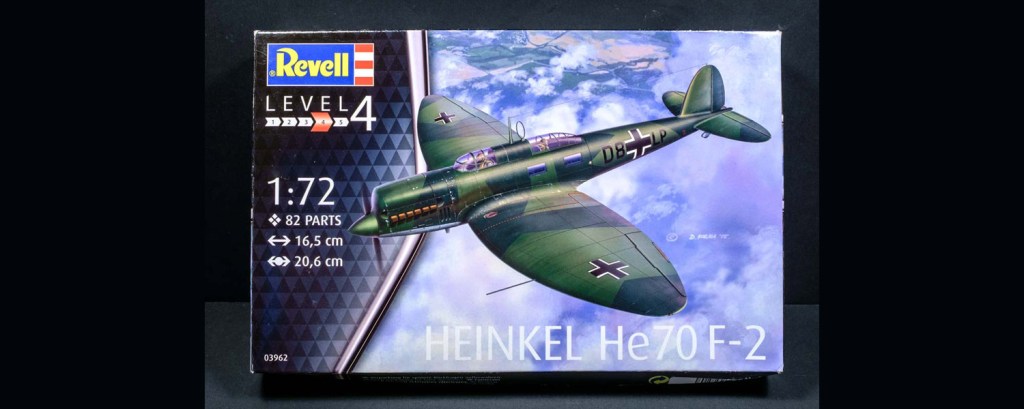
I mentioned in the history of the Royal Ruritanian Army Air Force that a number of the planes acquired for the service – and for later use in the Royal Ruritanian Airline – were of German origin. Of course this is simple to explain – Germany is next door to Ruritania and they share a…
-
What Is It With Rockets?

Every model airplane kit I seem to have purchased recently has come equipped with rockets under the wings. Generally they are the 60 lb. British type on rails, though there is a pair of three-tube US versions as well. I must have two dozen of the things sitting on the shelf – so many, in…
-
The Royal Ruritanian Army Air Force – Part Six – The Strelsau Line
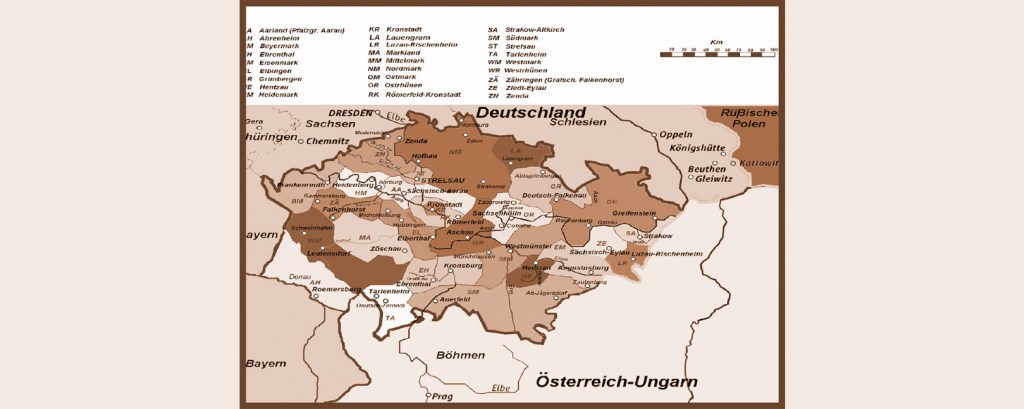
Air defence in the 1930’s was a complex thing – most nations had various plans in hand for offensive strategic war against their most likely enemies – and in some cases against their most likely allies. In some case the former was the least likely… There were also equivalent plans for air defence, though it…
-
The Royal Ruritanian Army Air Force – Part Five – Strategic Supply
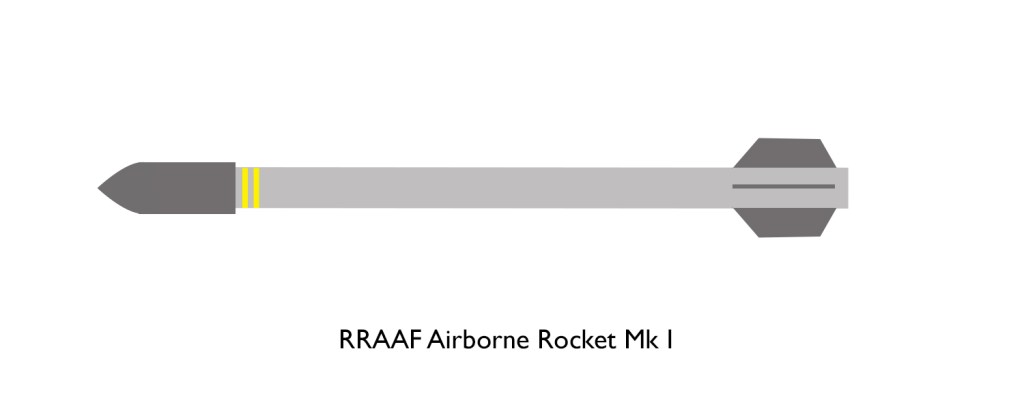
Every airforce needs certain givens; air space, landing fields, aircraft, fuel and armament, and personnel. An enemy to fight is also useful for purposes of publicity. The RRAAF was no exception to this. They had potential enemies enough, airspace limited only by mountains and fogbanks, and enough flat ground near to the town to allow…
-
The Royal Ruritanian Army Air Force – Part Four – The Royal Trainees
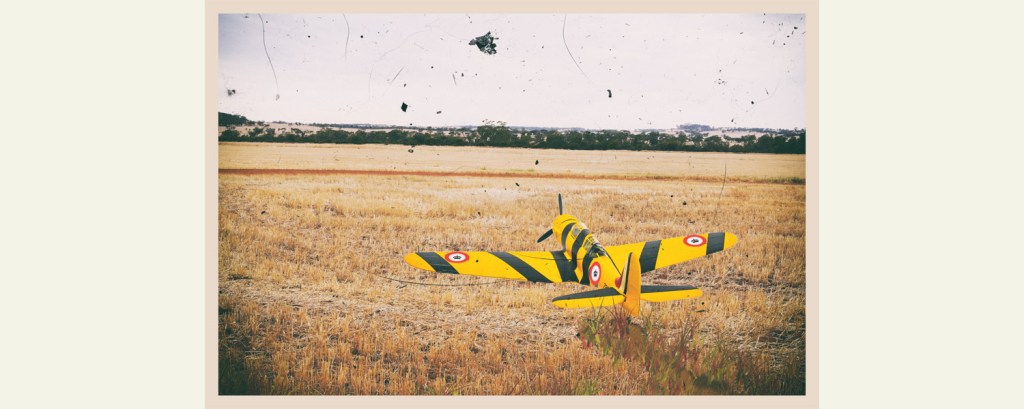
Every Ruritanian boy has a burning desire to fly – frequently far from home and the endless cultivation of vegetables in the cold, damp soil. In the centuries before flight this urge was satisfied by sneaking over the border into Austria, Hungary, Poland, Russia, or Germany. There, the life choices of the Ruritanian peasant could…
-
The Royal Ruritanian Army Air Force – Part Three – Build Up To Obscurity

As the war clouds darkened over Europe in the 1930’s, the government of Ruritania realised that the defence of the realm would require additional spending – both for ground and air forces. Fortunately the kingdom is entirely land-locked and has no need for a navy aside from Customs and Excise boats on the lakes to…
 The Little World